What happens inside a wooden memorial box over years, and the three details that decide whether it stays sound.
A wooden pet memorial box is expected to sit on a shelf for years, holding cremains in a bag, in a room whose humidity changes with the season. That is a long exposure for a material that moves with moisture, and the details that decide the outcome are decided at the factory rather than at home.
What Is Actually Inside the Box
Inside a finished box there is typically a sealed bag of cremains, sometimes a fabric lining, and air. The bag is the barrier; the wood is the enclosure. Understanding that separation is the key to answering most long-term questions, because the wood is not in contact with the ash and the ash is not exposed to the room.
The Bag as a Barrier
A sealed bag keeps the cremains contained and keeps moisture and odour from moving between the contents and the wood. Where a family transfers cremains out of the bag into the box's own liner, that barrier is removed, and the interior is then exposed to whatever the bag was holding back. For long-term keeping, the bag should stay sealed, and the box should be sized to accept it.
Moisture Exchange Through the Wood
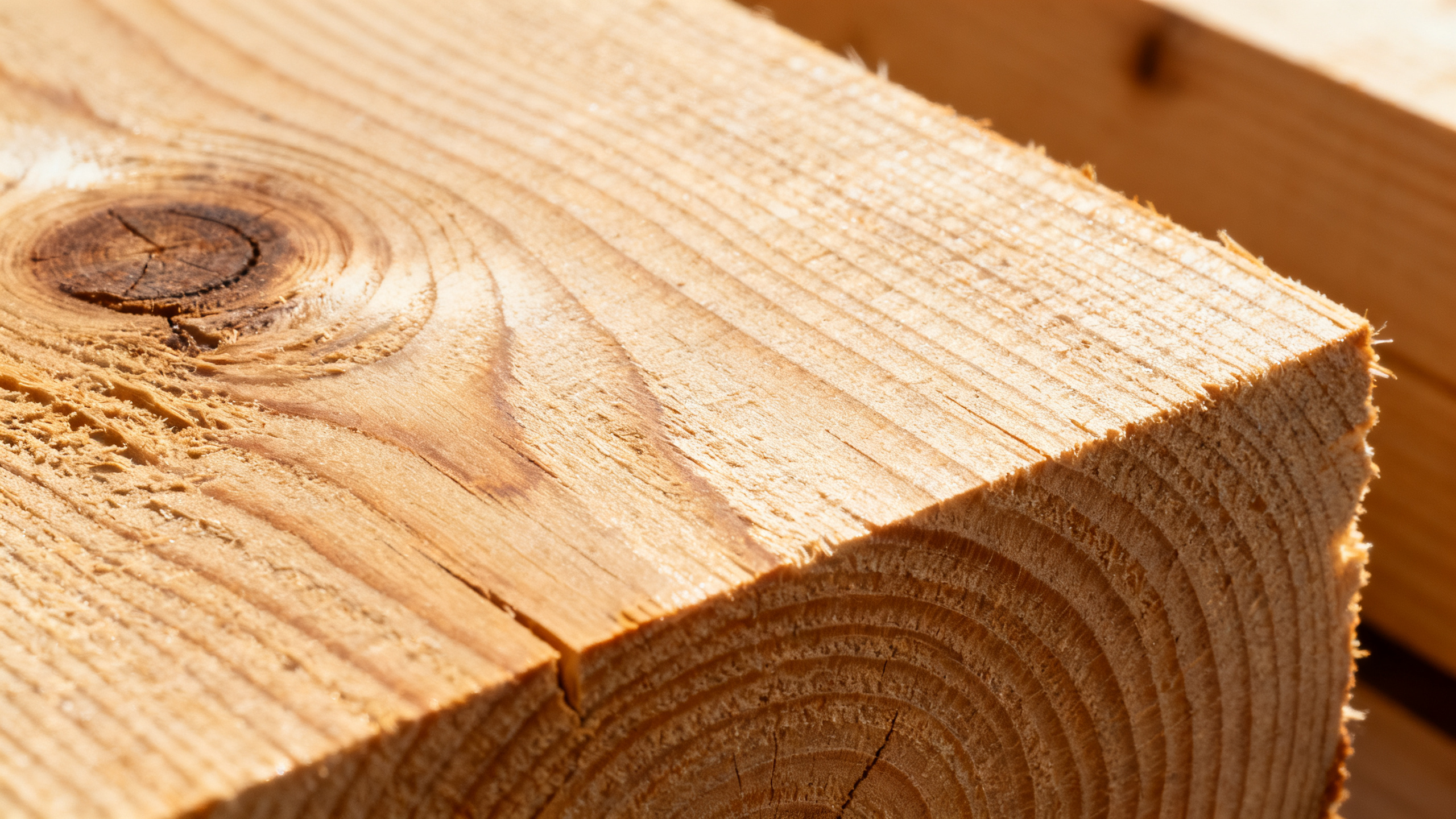
Wood exchanges moisture with the air around it, which is why a box built at 8 to 12 percent moisture content shrinks slightly in a dry room and swells in a humid one. That movement is normal and small, but it is what a lid fit has to tolerate. A box stored in a bathroom or beside a humidifier sees a wider swing than one on a dry shelf, and the swing is what stresses a joint over time.
Odour Questions
A sealed bag contains the cremains, so a sound box with a sealed bag should not produce an odour. Where an odour is reported, the usual cause is an unsealed bag or a transfer without a liner, not the wood. A wood interior that has absorbed moisture in a humid room can also develop a damp smell of its own, which is a storage issue rather than a product defect.
Wood Movement Over Years
A well-built box with stable joints moves little, and what movement occurs is seasonal. The failures that appear years later are usually traced to a joint that was stressed at assembly, a lid fitted too tightly for the humidity range, or hardware screwed into a thin section. Those are decisions made at production, which is why the build matters more than the finish.
Lining Materials That Age Well
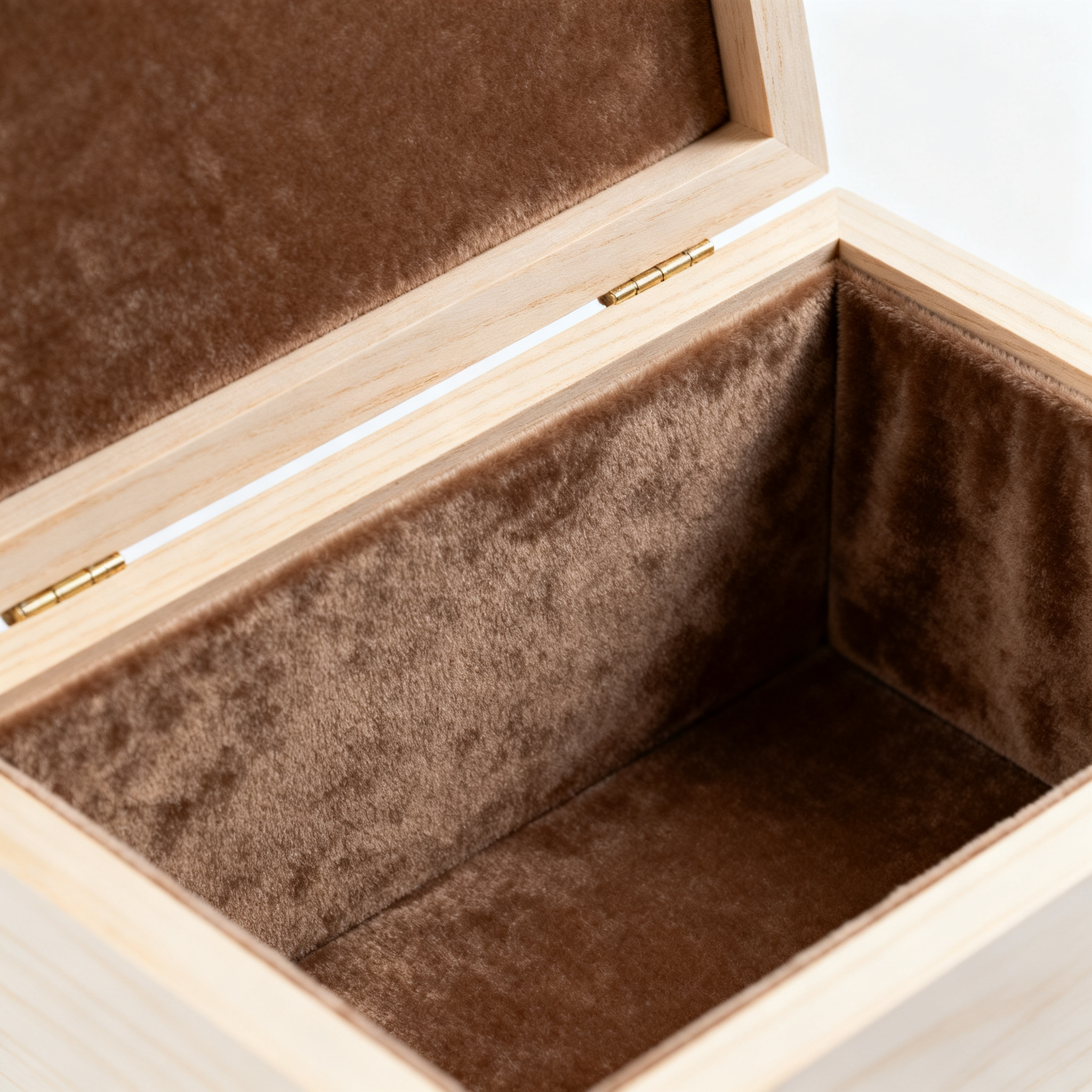
A natural fabric lining ages predictably; a synthetic one can yellow or become brittle, and a foam-backed one can crumble at the edges after several years. For a product meant to last, a simple cotton or linen lining over a stable substrate is the safer choice, and an unlined interior is the safest of all where the bag stays sealed.
Inspection Without Opening
A family should not open the box to check on the contents. Opening breaks the seal, exposes the interior, and in a memorial context risks disturbing the cremains. Visual inspection of the exterior — the lid fit, the finish, any sign of damp at the base — is enough, and any interior question belongs with the retailer or the crematory rather than with the household.
What to Tell Families
Tell them: keep the bag sealed, keep the box out of direct sun and humid rooms, dust with a dry cloth, and do not open the lid to inspect. Four sentences cover the whole care conversation, and they are more useful than a long list of prohibitions.
See the care guide for the cleaning routine; the moisture content entry explains the 8 to 12 percent range.