How to work back from a sailing date through inspection, engraving, production and deposit without guessing.
Every late shipment we see starts with a date picked before anyone worked backwards. A container date is not a plan; it is an output. This is the sequence that actually holds, in the order it has to be run.
Start With the Sailing, Not the Order
Pick the sailing date first, then subtract. The mistake is to set a delivery date with the customer and ask the factory to fit. Working backwards forces the two decisions that cannot move: when the goods must be at the port, and when the documentation must be ready.
Port Cut-Off
Containers close two to four days before sailing depending on the carrier and the port. Add a day for the truck and a day of slack for a rolled booking. A booking that closes on Friday is not a plan for goods arriving Friday morning.
Inspection Before Packing
Final inspection happens before cartons are sealed, which means it sits on the production critical path rather than after it. If inspection finds a rework, the schedule needs a week, not a day. Plan inspection to finish at least five working days before the port cut-off.
Engraving Sits Late and Long
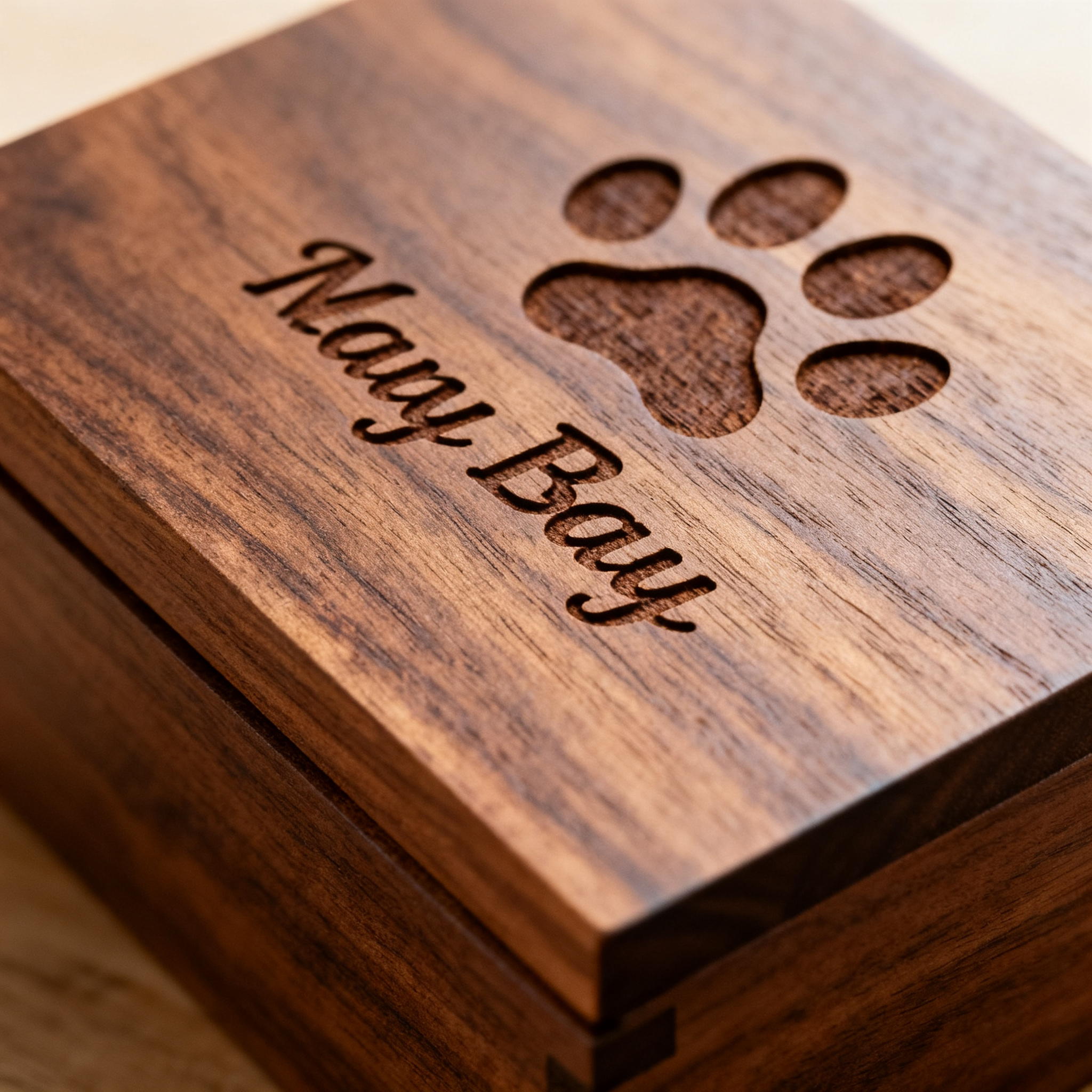
Engraving is the step most often squeezed, because it looks like a finishing touch. It is not: artwork has to be approved, the run takes fifteen to twenty days after approval, and a proof rejected on the fourth day moves the whole container. Build the approval date backwards from the engraving start, and the artwork deadline backwards from that.
Deposit and Material
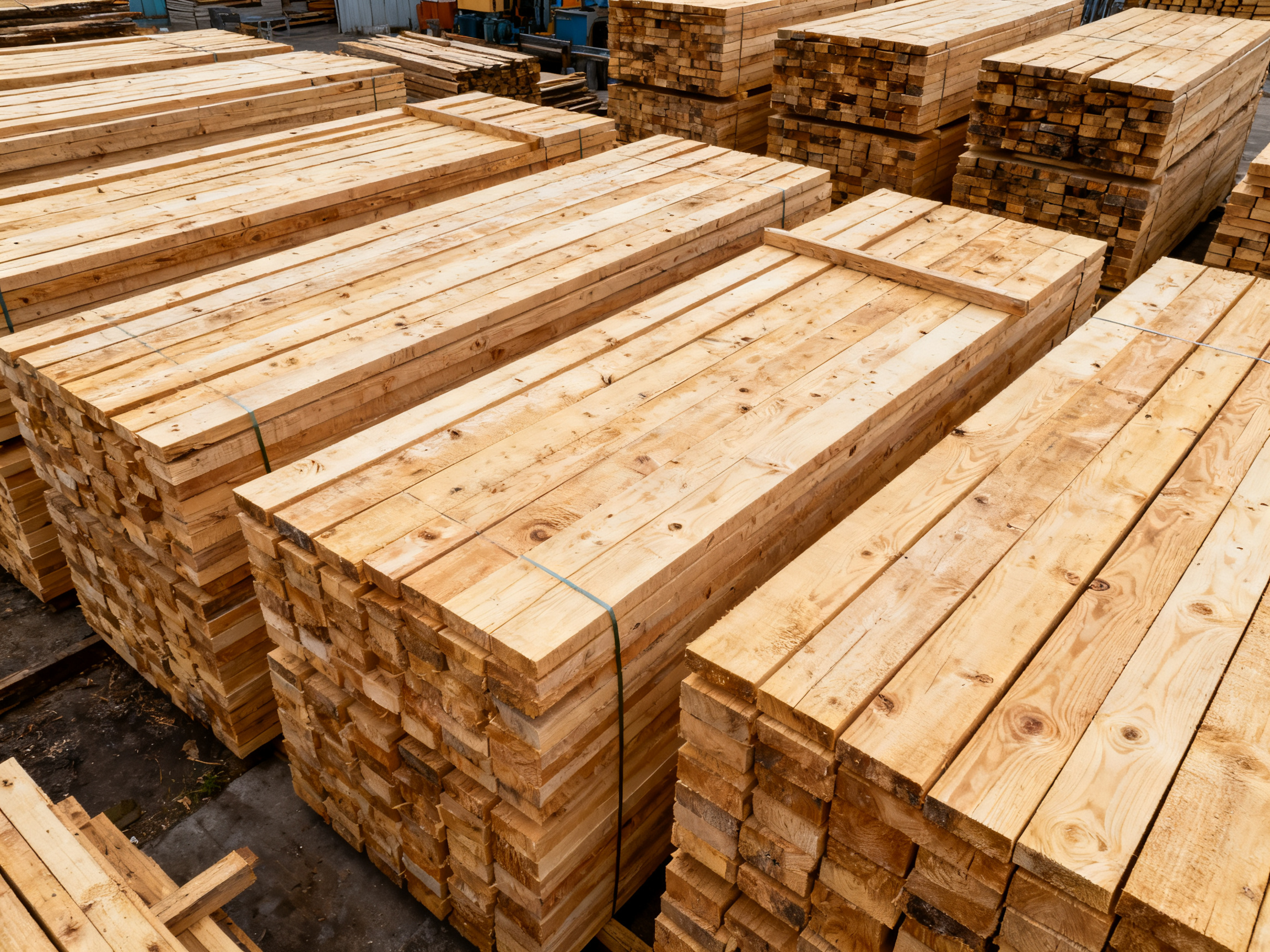
Production only starts when the deposit clears, and for a new size the material has to be ordered before that. A new dimension or a new mould adds twenty-five to thirty days including the sample. Stock sizes on the finished line run twenty to thirty days, unfinished twelve to eighteen, mini fifteen to twenty.
The Buffer Question
A realistic plan has two buffers, not one: three days before the port cut-off and five days before the sailing for documentation. Buyers who build one large buffer usually spend it early, on approvals, and finish exactly as late as everyone else.
When to Compress
Only two steps compress honestly: freight mode and packing labour. Air freight replaces the sea leg and buys three weeks for a small volume, at a cost that rarely works above a pallet. Packing can be accelerated with a second shift for a week. Production, drying and engraving do not compress, because the wood and the beam set the pace.
A Simple Rule
If the order needs a date inside 45 days and involves engraving or a new size, the date is already at risk. Say so at quotation rather than at booking, and offer the alternative: stock size now, engraved run next.
See the shipping guide for transit times, or check lead times in the FAQ.