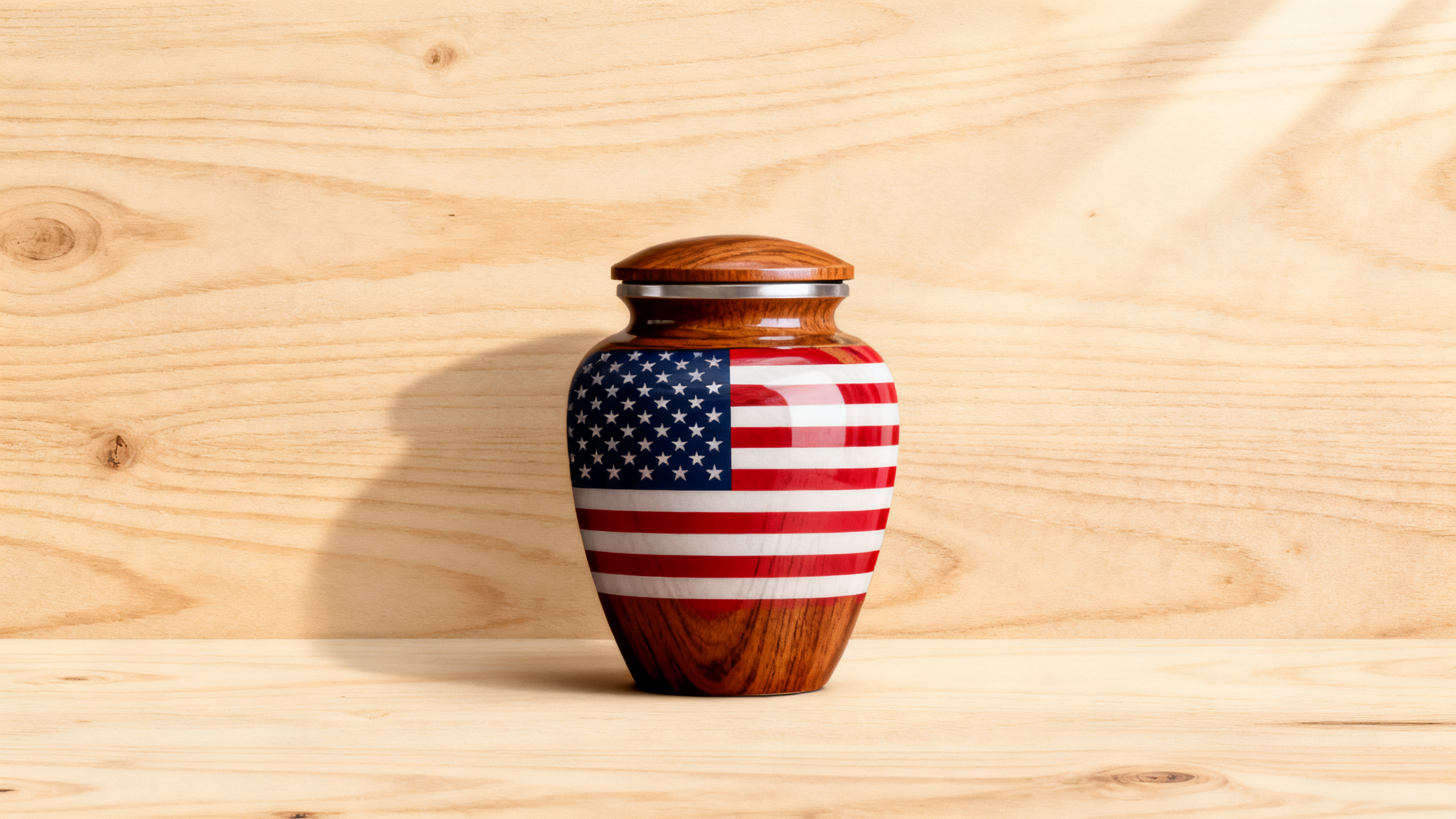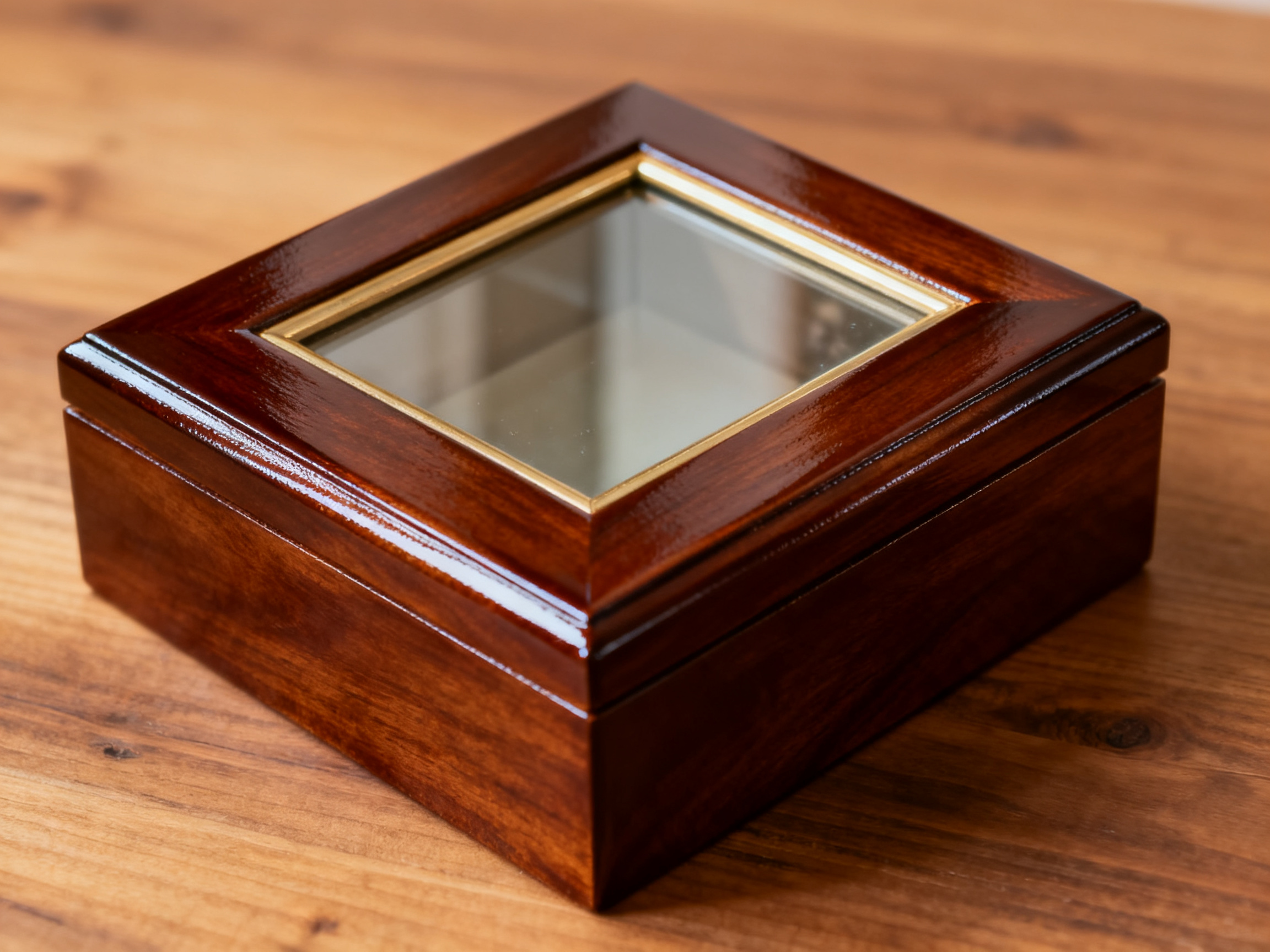
What actually happens when a veterinary clinic puts wooden urns on a shelf for the first time.
A clinic that adds wooden urns to its shelf is not opening a shop. It is adding a decision point to a room where a family is already making the hardest decision of the year. The first sixty days usually follow a pattern, and knowing it prevents both overstocking and a shelf that nobody touches.
Week One: Placement Decides Everything
The urn display lives or dies by where it sits. In the consult room, on the counter beside the payment terminal, three units are seen by every family. In a stock cupboard they are seen by nobody. Most clinics that fail at this put the stock away to keep the room calm, and then wonder why nothing sells.
Week Two: Staff Script
The second week is about what staff say. A display with no script produces awkward silence, and silence sells nothing. The workable script is short: one sentence naming the option, one sentence on what it includes, and then stop. Families who want more will ask; families who do not should not be sold to.
Week Three: The First Handover
The first urn that goes home teaches the clinic more than any training. Where the ashes come back in a bag, whether the bag fits, whether the family wants the lid open, whether the name plate was ordered in time. Clinics that write these details down adjust their stock in month two; clinics that do not repeat the same friction.
Week Five: The Size Problem
By month two most clinics discover they stocked too many small sizes and not enough of the middle. Cat and small-dog cases dominate intake numerically, but the middle size is what a family chooses when they are upsold by emotion rather than weight. A first order of six small and six medium usually ends lopsided in the other direction.
Week Seven: Reorder Trigger
Restocking by calendar does not work in a clinic, because intake is not seasonal. The trigger is a shelf count: when a size drops to two units, reorder. That rule, written on the shelf card, prevents both an empty display and a cupboard full of dead stock.
Week Nine: The Price Conversation
The price conversation arrives late and it arrives once. Clinics that present the urn as part of the service — included in a package, or offered at a transparent margin — convert better than clinics that present it as an add-on sale at the counter. The difference is not the price; it is whether the family feels handled or billed.
What to Measure
Three numbers are enough: units placed on display, units sold, and units returned. A return almost always means the family wanted a different size or a different form, not a different price. That data is what turns a first order into a range.
See the clinic solution page, or read the stocking configuration for clinics.