How a crematory should split a first order across caskets, urns and sizes without ending up with dead stock.
A first container is the easiest place to lose money in this trade, because the mix is chosen before anyone has seen which case actually walks through the door. The pattern that works is not a product list; it is a deliberate split by function.
Start From Intake, Not From the Catalogue
Pull twelve months of intake records and sort by weight band. Most crematories find that cats and dogs under 25 lbs are the largest single group, the 25–70 lb band is the second, and the 70 lb and above band is smaller than expected. That distribution, not the catalogue, decides the split.
Three Functions, Three Lines
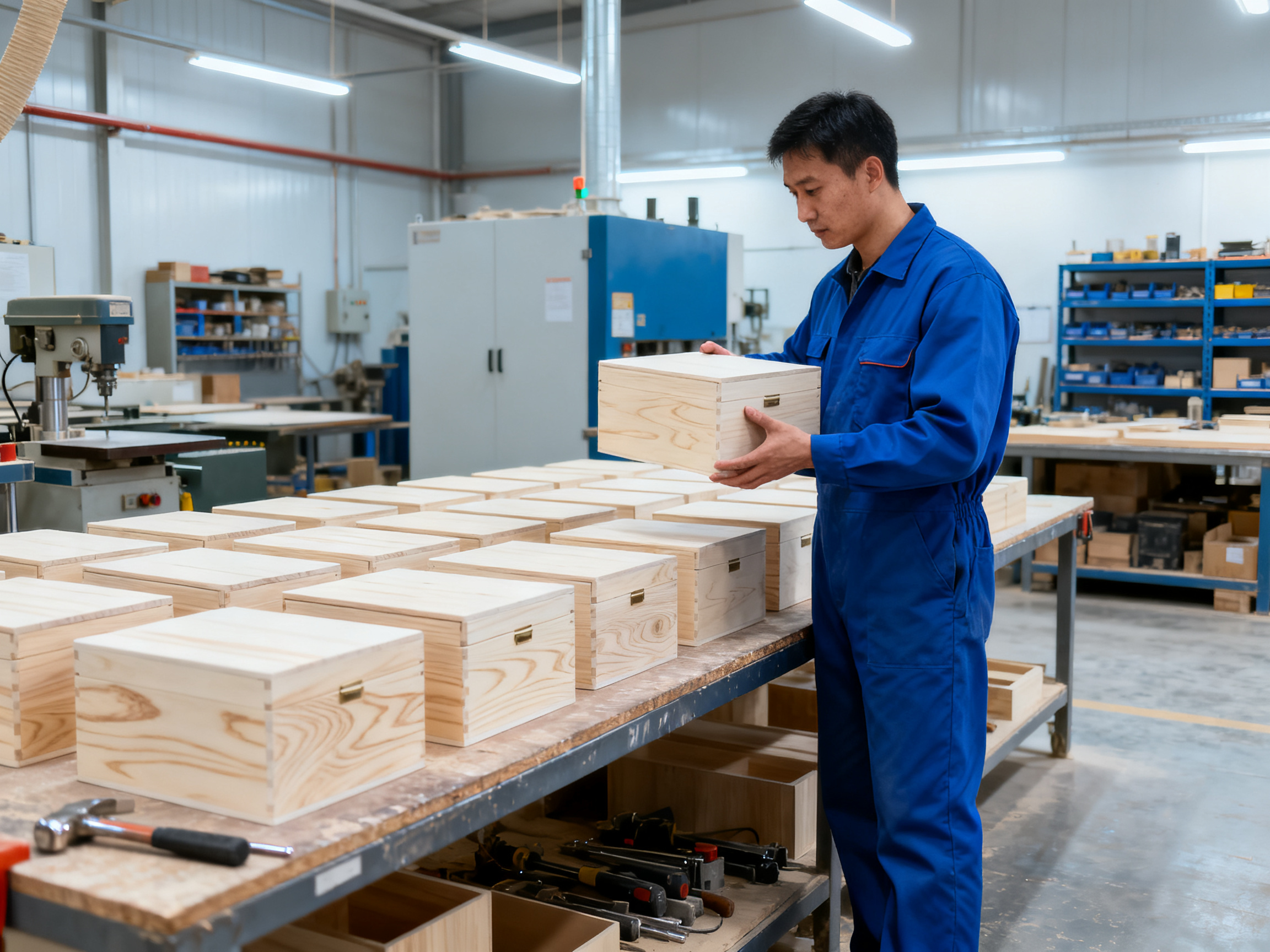
A container usually holds three things: caskets for the cremation itself, urns for the family, and keepsakes for the secondary sale. Mixing the three in one shipment is fine and normal, but each line has its own MOQ, and the split should respect them rather than average them.
Caskets: Depth in the Middle
Caskets are bought by body size, so the middle size is the one that runs out first. A first pallet weighted towards the small size looks sensible on paper and leaves the staff improvising for a Labrador. Roughly half the casket volume in the middle size is the pattern most crematories settle into.
Urns: Fewer Sizes, Two Finishes
Urns are chosen by a family, not by weight, and families converge on a small number of options when the display is small. Two sizes and two finishes cover the decision; six sizes produce a shelf nobody can read. Stock the smallest full-size box deep, because cats and small dogs dominate intake.
Keepsakes: A Small, Fast-Selling Tail
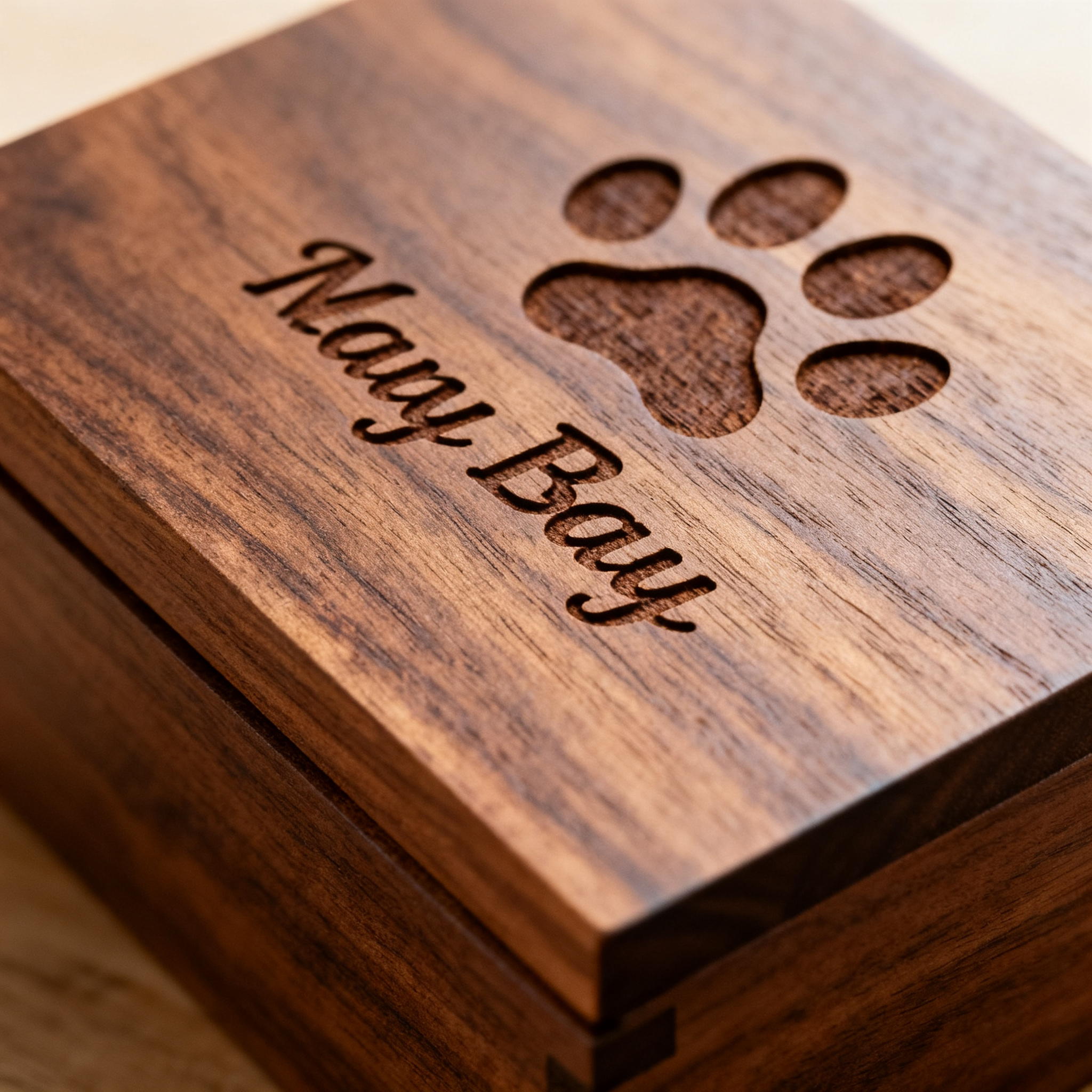
Keepsake boxes sell at a low unit value and a high attach rate when they sit beside the urn, and they sell badly when they sit in a drawer. A first order of 200–300 mini units across two designs is enough to test the attach rate without warehousing a year of stock.
What Not to Put in the First Container
Three things: a size nobody asked for, a finish that exists only in a photograph, and a custom engraving run. Each is a decision that should wait until the second order, when the intake data and the first month's sales are real.
The Second Order Is Where You Learn
By the second order the crematory knows its intake split, which size gets pulled twice a week, and whether families choose the frame or the plain lid. That is when a custom run and a deeper finish range make sense, with artwork approved before the deposit rather than after.
See the casket line, the finished line, or the shipping guide for a first LCL quote.