Who is the importer of record, what a customs broker files, how the role shifts by Incoterm, and the papers an entry needs.
Every imported shipment of wooden memorial goods has a party legally responsible for the entry, and that party is not always the factory. The importer of record and the customs broker are two distinct roles, and confusion between them is one of the common reasons a consignment sits at the border while paperwork is sorted out. This guide explains both roles and how they shift with the trade term on the order.
What the Importer of Record Actually Is
The importer of record is the party accountable to the destination customs authority for the entry: the declared value, the classification, the duty owed and any compliance conditions attached to the goods. That party must be established in the destination market, able to file under its own registration, and able to answer a customs query after arrival. A Chinese factory cannot be the importer of record in the United States, Canada or the EU; it can only act on the buyer's behalf under a delivered-duty term, where the buyer remains the underlying importer.
What a Customs Broker Does
A customs broker is a licensed intermediary that prepares and files the entry on the importer's instructions. The broker classifies the goods, calculates duty and fees, submits the declaration, arranges release and coordinates with the freight forwarder on delivery. The broker acts for the importer, not for the factory, which is why a broker needs the importer's registration, bond and written authority before it can file.
Who Acts as Importer Under Each Incoterm
Under FOB Qingdao, which is our default term, the buyer arranges freight and is the importer of record, appointing its own broker. Under CIF, the factory arranges freight and insurance to the destination port, but the buyer still clears the goods and remains the importer. Under DDP, the factory arranges duty and clearance as part of the quoted price; the goods still enter under an importer of record, and the arrangement is set out in the order rather than assumed. Buyers should confirm which role applies before the first shipment, because it decides who appoints the broker and who pays duty.
The Filing Timeline Before the Vessel Loads
For ocean freight into the United States, an import security filing is submitted before the cargo is loaded, separate from the entry that is filed on arrival. Canada and the EU have their own advance-notice requirements. These filings depend on data the importer and the broker hold, so the buyer's registration details and the supplier's shipping data need to be exchanged early rather than after the container sails.
Documents the Broker Needs
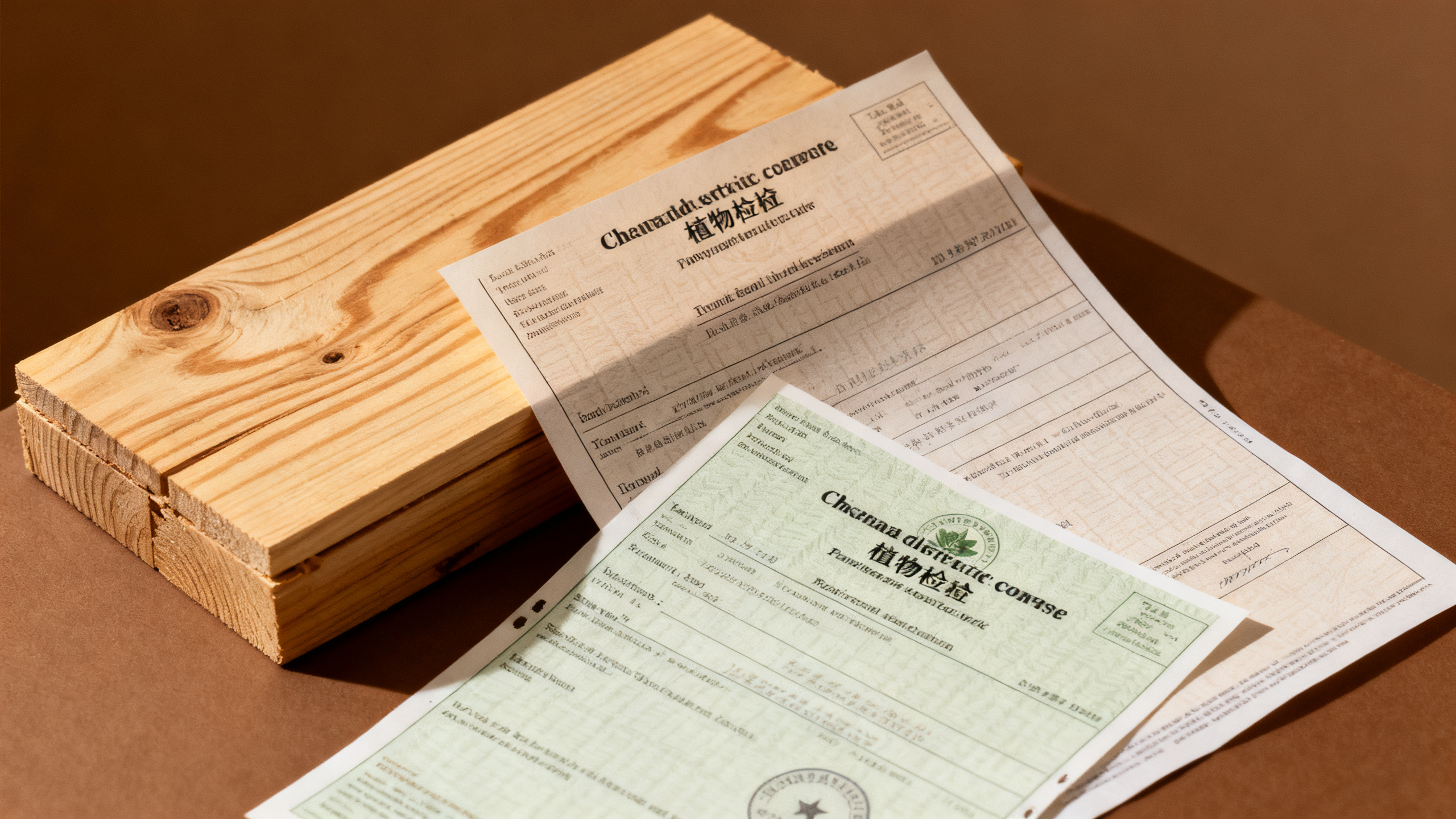
The entry is built from the commercial invoice, the packing list, the bill of lading or air waybill, and the plant-health documents where the goods are regulated plant articles. A certificate of origin is added when the buyer's broker needs it for a preference or a specific programme. Where a shipment mixes wood, ceramic and metal lines, the invoice should describe each material separately so the broker classifies the entry correctly instead of treating the whole container as one article.
Common Delays at Entry
Most entry delays come from a mismatch rather than a missing document: a description on the invoice that does not match the packing list, a value that does not reflect the order, or a broker appointed after the vessel has already arrived. Sending scanned papers before departure, and confirming the broker's contact and the importer's registration before booking, removes most of that friction.
See the compliance centre for the US, Canada and EU document split; the importing FAQ covers the full document set, and the customs hold guide explains what to do if a consignment is stopped.