What splitting volume across two factories does to MOQ, specification consistency, sample approval and total landed cost.
Buyers often plan to split an order between two suppliers to reduce risk, and the logic is sound: no single factory should be able to stop a listing from restocking. The execution, however, is where dual sourcing usually goes wrong, because splitting volume changes minimums, specification consistency and the documentation trail. This guide covers what to plan before volume is divided.
Why Buyers Split Volume
The reasons are usually practical: a second source protects against a production delay, a capacity limit or a quality issue at the first. A distributor may also split by market, using one factory for unfinished goods and another for finished retail lines. The risk being managed is supply continuity, so the test of a dual-sourcing plan is whether the second source can actually deliver at short notice — not just whether it exists on paper.
What Splitting Does to MOQ
Minimums apply per supplier, not across the network. Splitting a 60-piece requirement between two factories that each hold a 50-piece minimum for unfinished pine produces two orders below the minimum rather than one that clears it. The arithmetic is the first thing to test: if the total volume cannot clear the minimum at both suppliers, a single-source order plus a qualified backup supplier, used only when needed, is usually cheaper than a permanent split. Where volume is genuinely large enough, splitting by product line — rather than by half of each line — keeps each order above its own minimum.
Keeping Specification Consistent
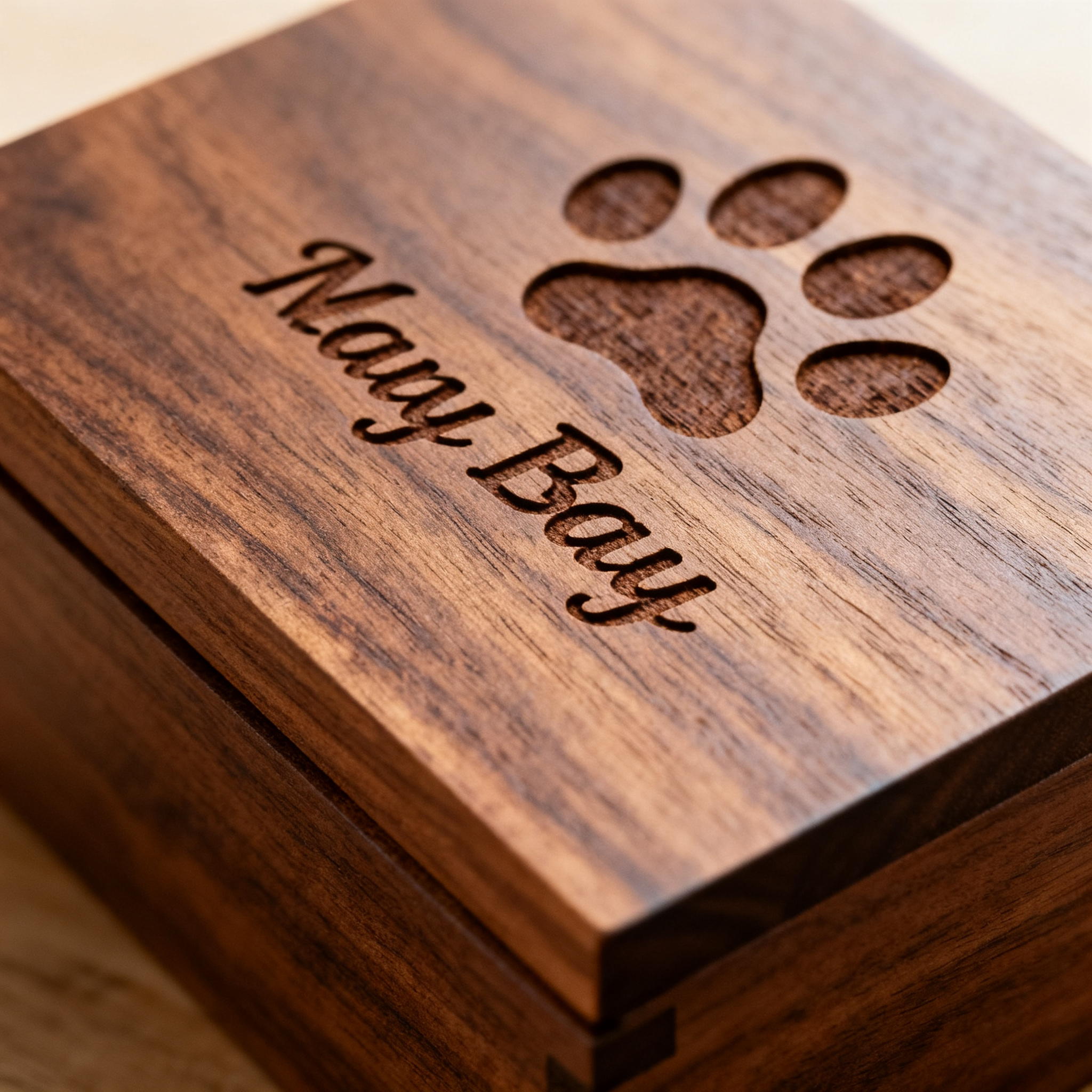
Two factories will not produce an identical piece unless the specification is written, not described. A spec sheet that fixes species, moisture range of 8 to 12 percent, sanding to 220 grit, wall thickness, closure type, lining configuration and engraving depth gives both suppliers the same target. Photographs alone are not a specification, because lighting hides tone differences and a photograph cannot state a tolerance.
Sample Approval at Both Suppliers
Each supplier needs its own approved sample, held as the reference for that supplier's production. Cross-approving one factory's sample with the other is a common mistake: it guarantees a mismatch on grain, tone or finish that the buyer then has to explain to customers. Keep the approved sample from each source, photograph it under the same lighting, and compare the two before either ships.
Managing Documents and Lead Times
Documents multiply with a split order: two invoices, two packing lists, two sets of plant-health paperwork, and two shipments to track. Where both factories ship into one consolidation, confirm who prepares the consolidated documents and which certificate covers which cartons, because a mixed container with unclear documents is exactly the profile that draws a customs query. Lead times should also be compared on the same basis — from deposit receipt, not from the inquiry date — and the engraving window of 15 to 20 days after artwork approval applies per supplier.
When Dual Sourcing Costs More Than It Saves
Dual sourcing earns its keep when volume is steady and the second source is genuinely qualified. It costs more than it saves when order sizes fall below the minimum at both factories, when each order needs its own sample and its own document set for a modest shipment, and when the two factories drift on finish so that the listing shows inconsistent stock. In those cases the cheaper structure is one primary supplier with a documented backup, qualified by a sample order and reviewed annually.
See the sourcing guide for the full buyer journey; the sample guide explains how an approved sample becomes the production reference.