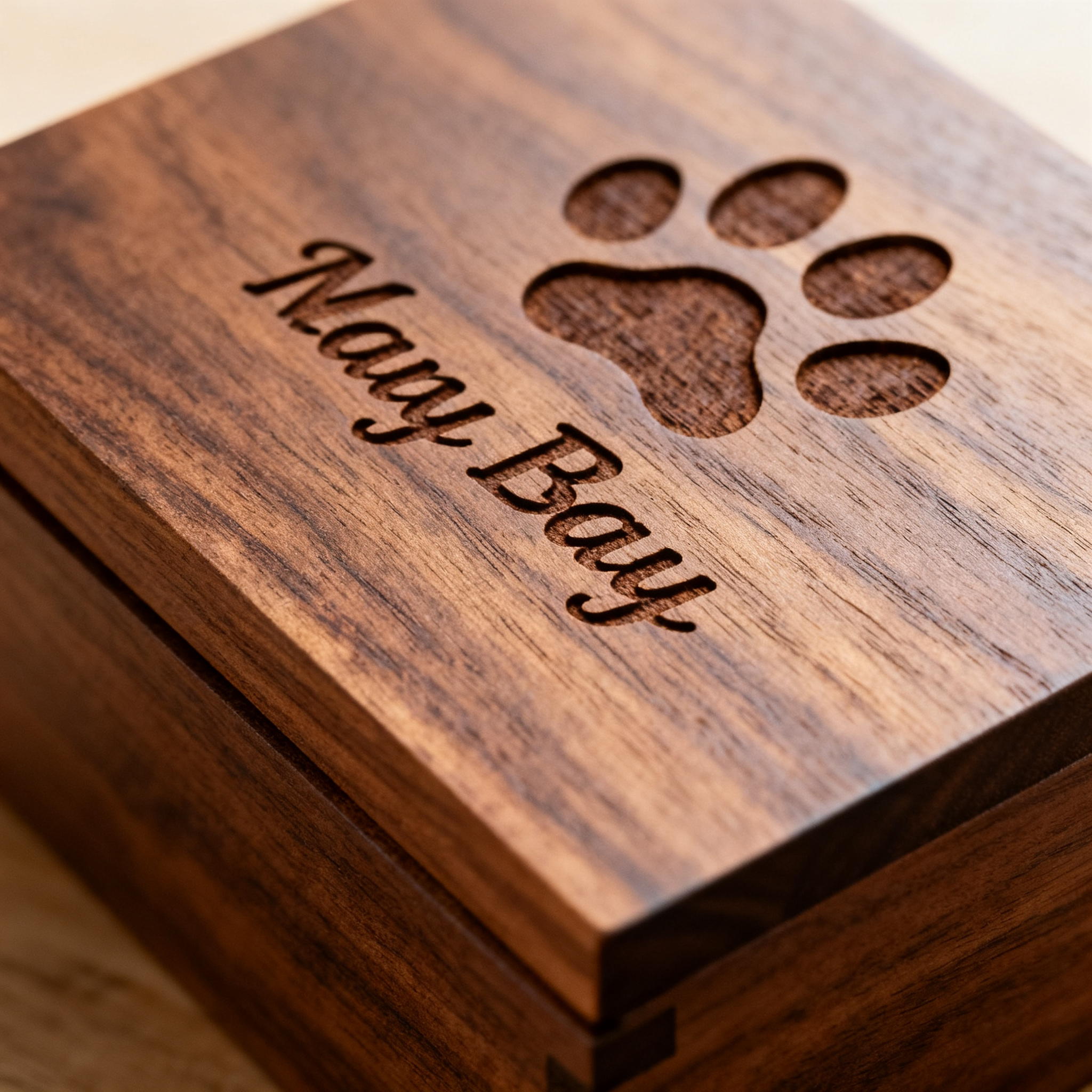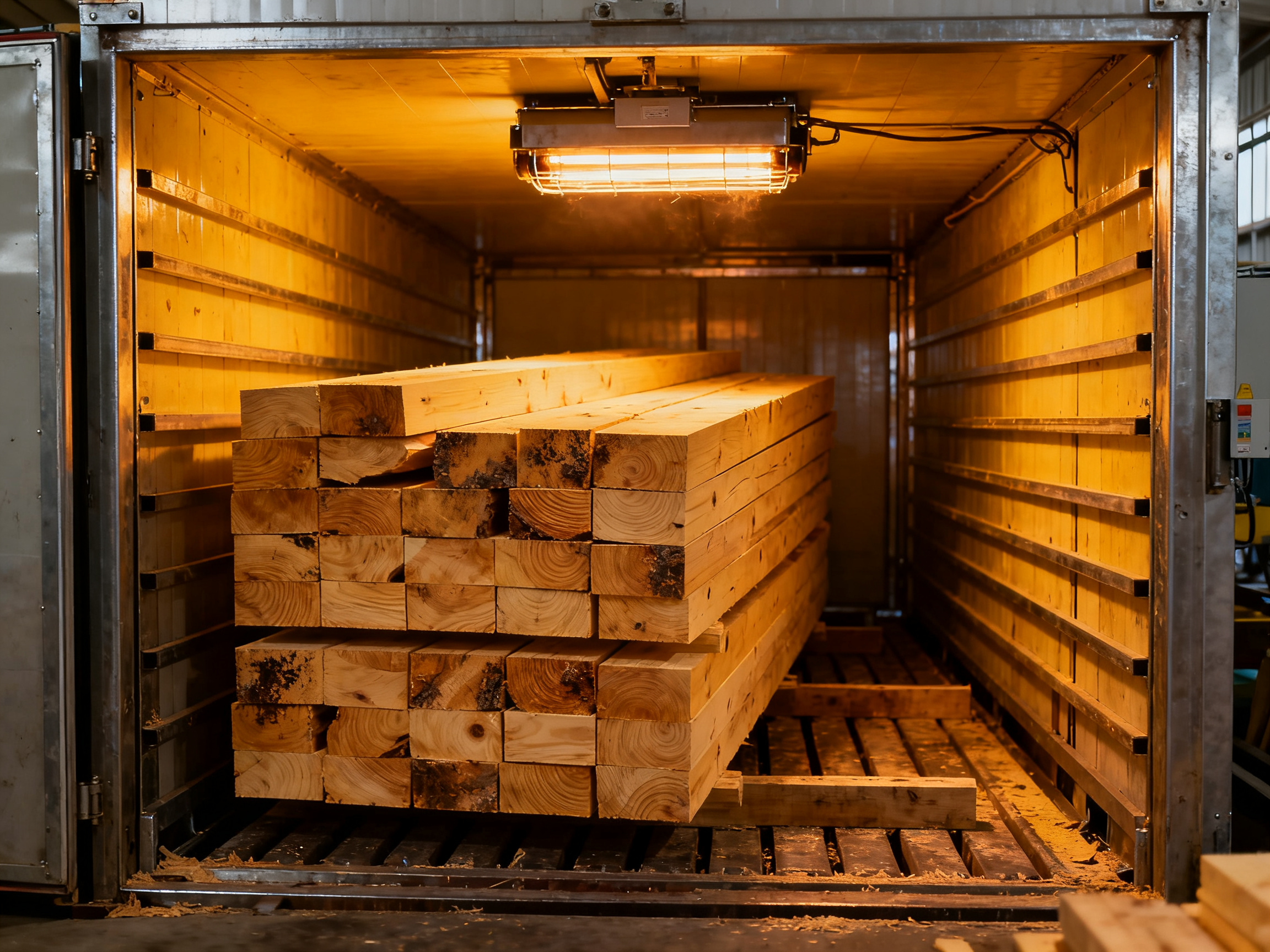
Six checkpoints between the purchase order and arrival of a first pet urn shipment, and where it most often loses time.
A first pet urn order fails differently from a repeat order. With no shared history, every assumption is untested, and the failures cluster at a few points where one side is waiting for the other. This guide lays out the milestones for a first shipment of wooden memorial boxes and what has to be true at each.
Why a First Order Needs Checkpoints
A repeat order runs on an approved sample, a known packing configuration and a working document set. A first order has none of those, so each has to be established, and each establishment is a point where time can be lost. Naming the checkpoints in advance converts an open-ended process into a sequence with dates.
Purchase Order and Deposit
The order is placed when the specification, quantity, price, term, packing and documentation are all written into one document and both sides accept it. The deposit marks the start of the clock, and the lead time runs from the date the funds are received, not the date the order was discussed. A first order should not start on a verbal agreement with the details to follow.
Material and Moisture Check
Before production, the material is confirmed: species, grade and moisture content at 8 to 12 percent. A first order is the point to ask for the reading rather than assume it, because a change of species or a wet batch is not visible until much later. Where the order is for a painted finish, this is also when the substrate for paint should be confirmed.
Sample or First-Off Approval
On a custom item, the first unit off the line is the reference for the rest. On a stock item, the approved sample from the sample order is the reference, provided it still exists and is still representative. Without a reference, consistency has no definition, and the buyer's first inspection becomes the definition after the fact.
Bulk Production and Progress
A single progress update at the midpoint is enough for a stock urn order and insufficient for a custom one. Ask for a date at which production is half complete and a photograph at that point; a photograph answers questions that a status word does not. Where the order involves engraving, a photo frame or a private-label pack, the first approved unit should be photographed too.
Pre-Shipment Inspection
Inspection before packing is cheaper than inspection after. Check quantity, size, finish, closure, lining and engraving against the order, and check the carton and pallet against the packing list. A first urn order should include a photograph of the packed pallet, because the loading configuration is the thing most likely to be different from what the buyer imagined.
Documents Before Departure
The invoice, packing list and any plant certificate should be checked against the urn shipment while the container is still at the factory. A correction at this point is an email; a correction after departure is an amendment. The buyer should confirm the consignee and notify party details at this milestone rather than at the port.
Loading and Confirmation
Loading photographs and the seal number close the production phase. They are also the evidence base if anything is damaged in transit, because they show the condition at handover to the carrier. Ask for them as part of the order rather than as a favour.
After Arrival
On arrival, check the count against the packing list, inspect for transit damage, and compare the first urn unpacked against the approved sample. Where a first order has gone well, the comparison becomes the record for the next one, and the second urn order runs on a much shorter list.
See the sample order guide for the step before a first pet urn order; the packaging guide covers the carton and pallet configuration to confirm at inspection.