Which sustainability words a supplier can substantiate for wood, bamboo and plant-fiber urns, and which claims need evidence on file.
Sustainability language sells memorial products, and it is also the easiest place for a listing to overreach. A claim such as biodegradable or FSC-certified is not a marketing preference; it is a statement about material and documentation that a buyer may be asked to prove. This guide sets out which claims a wood and plant-fiber supplier can support with records, and how to word the rest so they stay defensible.
Why Claim Language Matters
Marketplaces, retailers and, increasingly, buyers' own compliance teams ask for evidence behind environmental wording. A claim that cannot be traced to a material fact creates a risk that sits with whoever published it — usually the brand selling the urn, not the factory. The practical rule is to use only words that map to something documented: a species, a certification, a material composition or a disposal route.
What "Biodegradable" Should Mean
Biodegradable describes a material that breaks down in soil or water without leaving persistent plastic or metal. Our moulded plant-fiber line is made from agricultural residue with a natural binder and carries no plastic lining or metal staples, which is what allows the description to hold. A wooden urn is not biodegradable in normal use: solid timber with lacquer, screws and a sealed bag is a durable object, and calling it biodegradable misstates the product. If a buyer wants a disposal-oriented product, the plant-fiber or scattering range is the honest answer rather than a reworded wooden box.
FSC and Chain of Custody
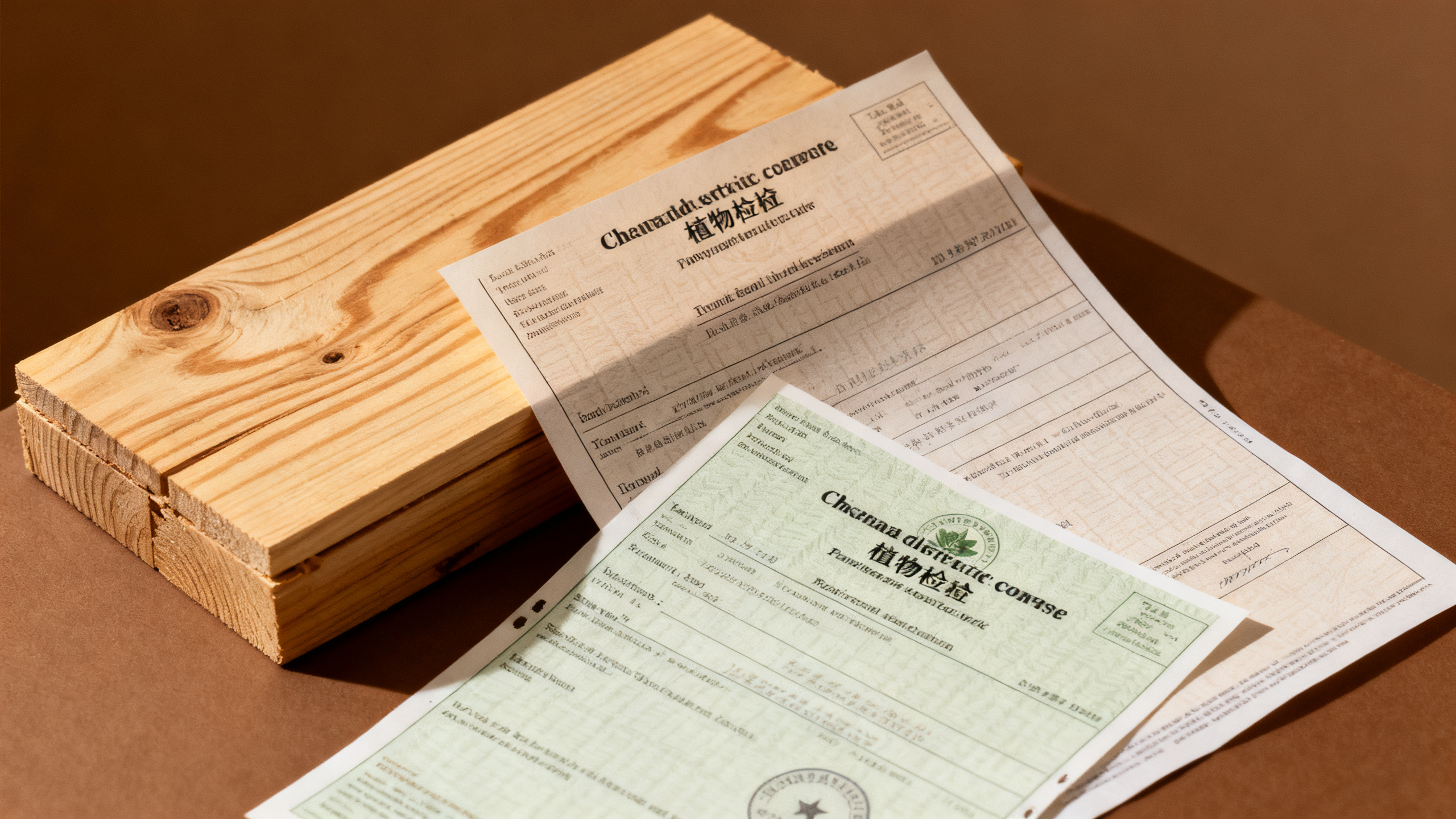
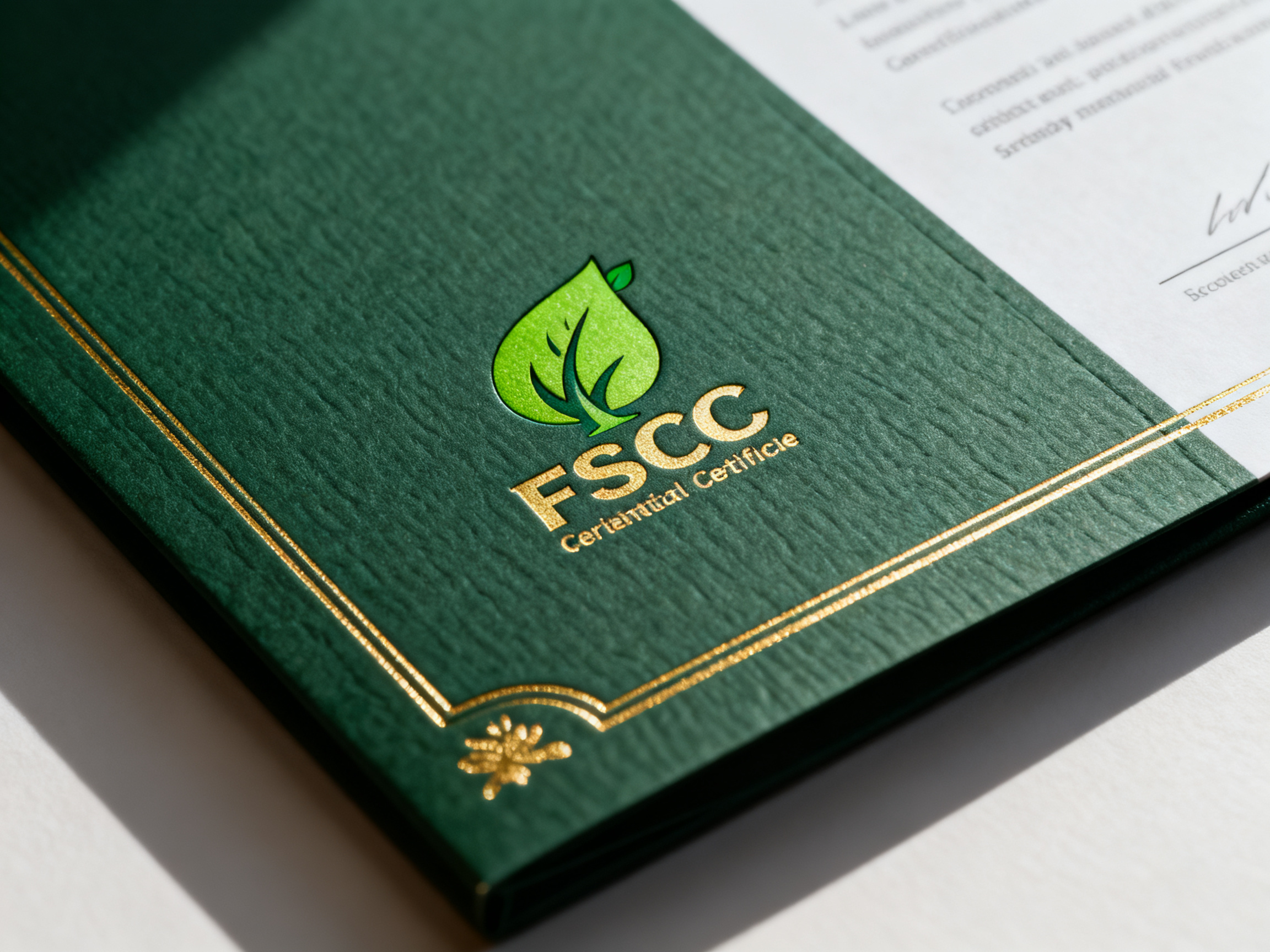
FSC wording should follow the paperwork. We source timber from certified suppliers and can provide chain-of-custody documents when an order specifies certified material, but the factory does not claim FSC certification cover for orders where that chain is not in place. A listing should therefore say "FSC-certified material, documentation available on request" rather than implying that every urn in the range is certified.
Recycled and Plastic-Free Wording
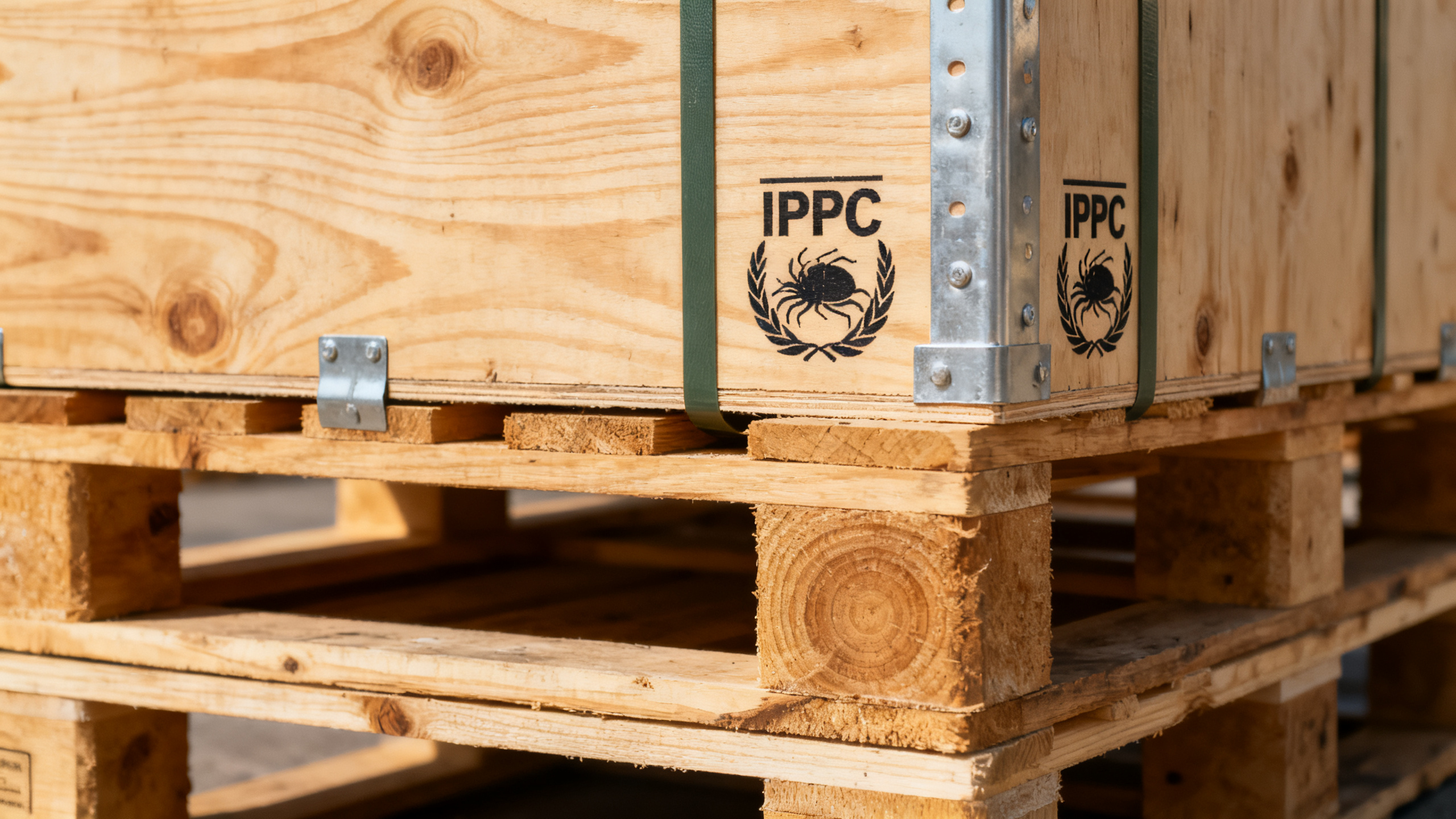
Plastic-free is supportable when the packaging contains no plastic film, no foam and no plastic tape; if foam wrapping is used for protection, that wording does not apply to the shipment as a whole even where the urn itself is plastic-free. Recycled content should be described by component — for example recycled board in the carton — rather than applied to the product. Specific component claims are both easier to defend and more believable to a buyer.
Claims That Need Evidence on File
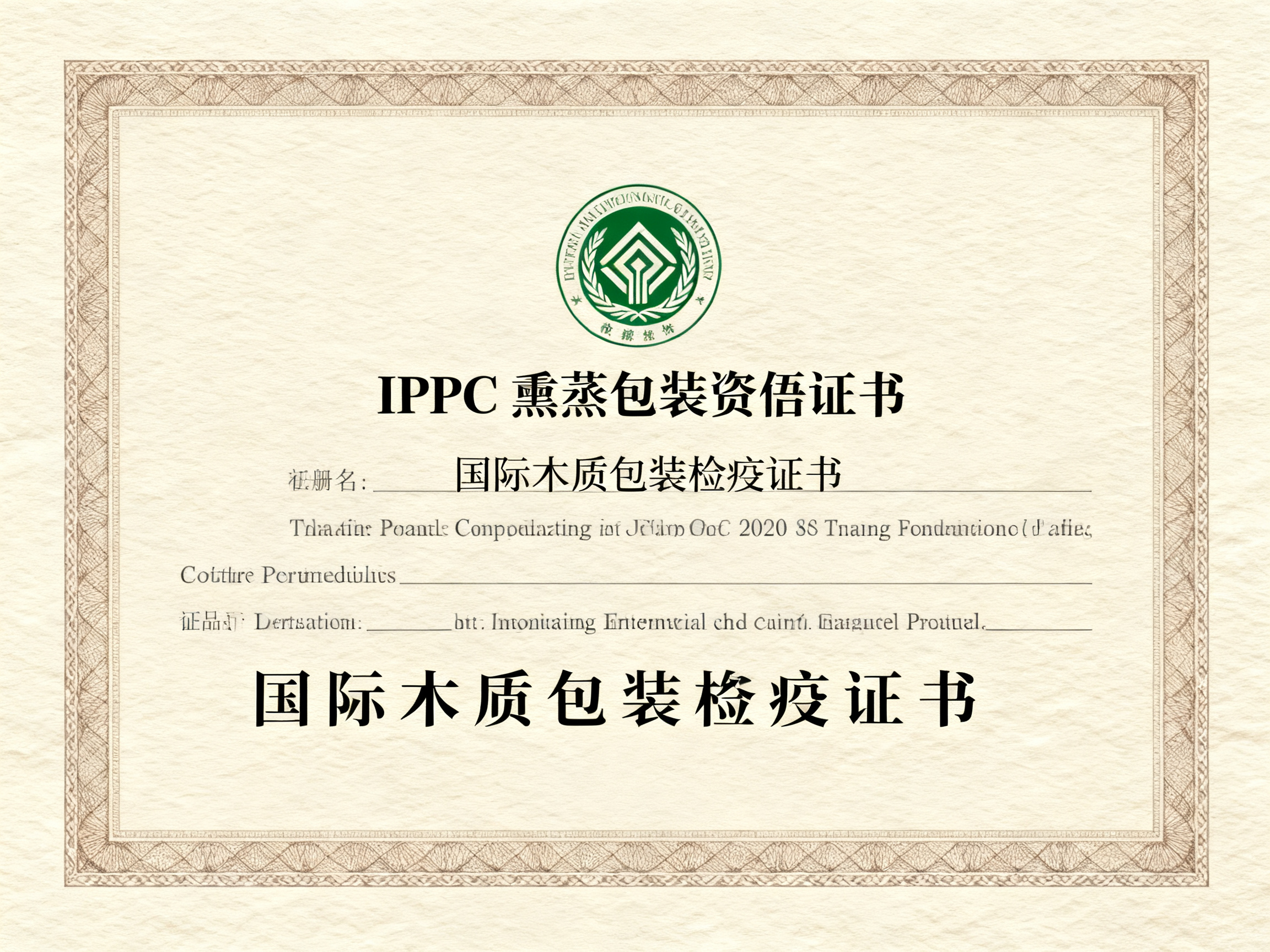
Anything naming a standard, a certificate or a disposal outcome should have a record attached: a chain-of-custody document, a material specification, a supplier declaration or a written statement of composition. Where the record is not available for a specific order, the claim should be dropped from that listing rather than softened into vagueness, which invites the same question without answering it.
A Simple Substantiation Checklist
Before publishing environmental wording, confirm the exact material, confirm the packaging components, confirm which documents accompany the order, and confirm the disposal route the claim implies. If any of the four cannot be confirmed, rewrite the sentence to describe the material instead of the benefit. Describing what the product is made of is always safe; promising what it will do to the environment is only safe when it is documented.
See the plant-fiber and bamboo material pages for how those lines are specified, and the factory tour for the documentation we hold on file.