Three ways to put a name on a wooden pet urn, what each looks like after a year, and how order quantity changes the answer.
A wooden pet urn can carry a name in three quite different ways, and buyers often ask for the wrong one because the difference is invisible in a mock-up. This guide compares laser engraving, CNC carving and printing on wood, in terms of appearance, durability and what each method is good at for a memorial piece.
Three Ways to Mark Wood
Laser engraving burns a shallow mark into the surface, leaving a contrast that comes from charred fibre. CNC carving cuts material away to a controlled depth, leaving a recess with a shadow line. Printing puts pigment on the surface, either directly or on a transferred film, and leaves the wood untouched underneath. Each produces a different object, not just a different image.
Laser Engraving: Contrast From Charring
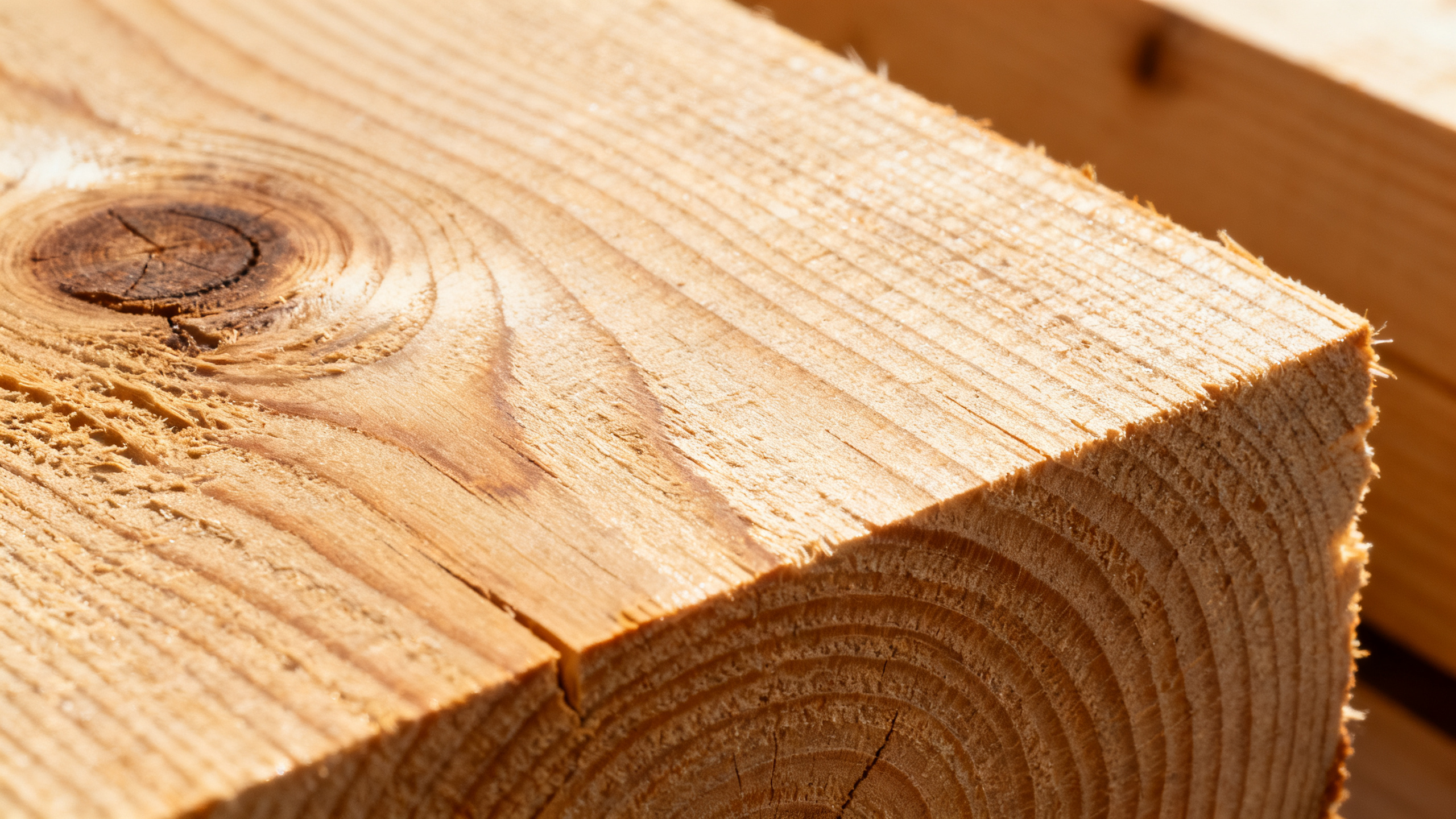
Laser engraving is fast, works on flat and gently curved faces, and produces a dark mark on pale wood without any additional material. Its weakness is that the contrast depends on the species and the finish: on very dark walnut the charred mark can be nearly invisible, and on a glossy lacquer the burned layer can be wiped away in cleaning. It is best on unfinished or matte pale wood.
CNC Carving: Depth and Shadow
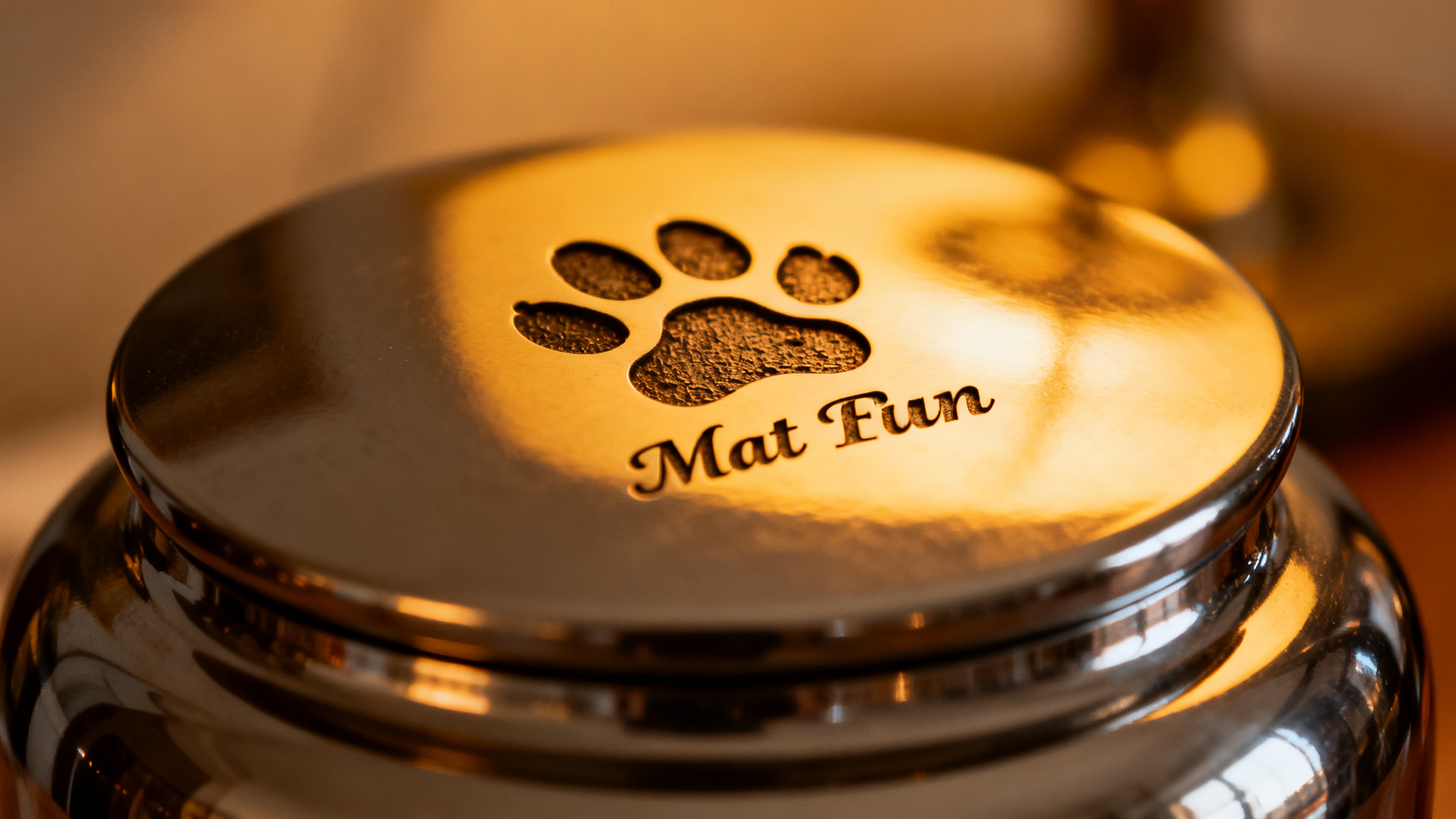
Carving removes material, so the mark survives any amount of cleaning and reads through shadow rather than contrast. It handles larger letterforms and simple motifs well, and it looks deliberate rather than printed. The cost is time and tooling: a carved design needs a toolpath, a fine cutter will not reproduce hairline strokes, and deep carving into a thin lid is a structural decision as well as a decorative one.
Printing on Wood: Colour Without Depth
Printing gives full colour and photographic detail, which neither of the other methods can do. It sits on the surface, so it wears where the piece is handled, and it needs a finish over it to survive cleaning. On a memorial product the printed mark also reads as a label rather than as part of the object, which matters when the piece is meant to look handmade.
Which Method Suits Which Artwork
Names, dates and short phrases: laser engraving on pale wood, carving where the piece will be handled. Photographs, full-colour motifs and complex crests: printing, with a protective finish. Large simple shapes and logos that should feel carved: CNC. Where an artwork mixes a photograph with text, the usual answer is printing for the image and engraving for the text, on different areas.
Durability and Repair
Carving is the most durable and the least repairable: a mis-carved letter cannot be filled invisibly. Laser engraving can sometimes be re-run deeper, at the cost of a darker, wider mark. Printing can be removed and redone on an unfinished surface, and cannot be repaired on a finished one without refinishing the area. Where a piece may be returned, the method with the least irreversible failure is the safer choice.
Choosing by Quantity
Laser engraving has almost no setup cost per design and is efficient from one unit upward. Carving needs a toolpath and often a test cut, which is worth it at higher quantities or where the design repeats. Printing needs a setup per artwork and is cheapest in volume. A buyer ordering ten personalised pieces and a buyer ordering a thousand printed boxes are not making the same decision.
A Spec Line That Avoids Ambiguity
Write the method, the area, the depth where it matters, whether the mark is filled, and the finish that goes over it. Those five items decide what the customer receives far more than the artwork file does. Where a buyer is unsure, asking for one sample in each method on the actual species is cheaper than choosing from a rendering.
See the engraving layout guide for what fits on a pet urn lid; the finishes guide covers how a top coat behaves over a mark.