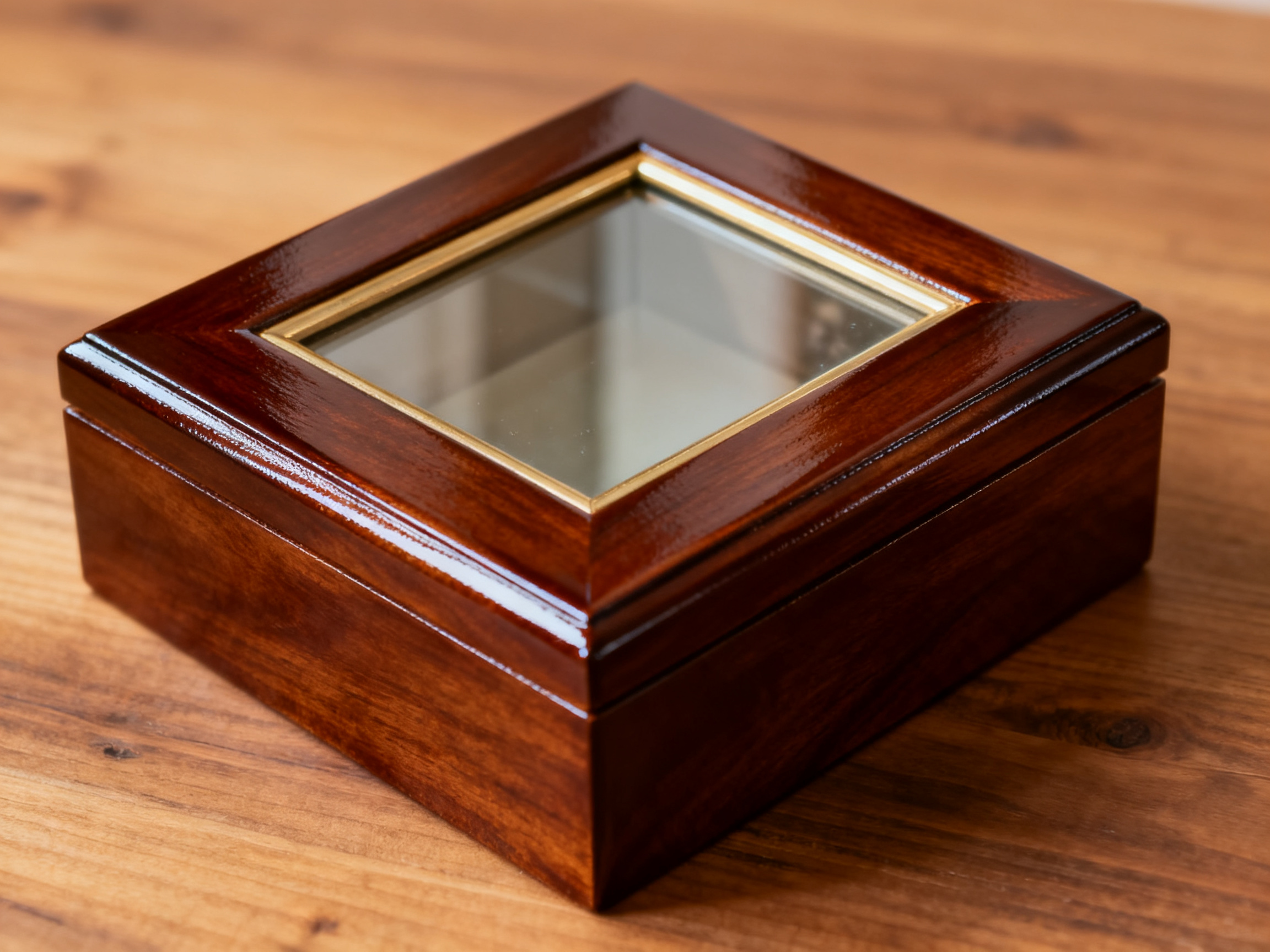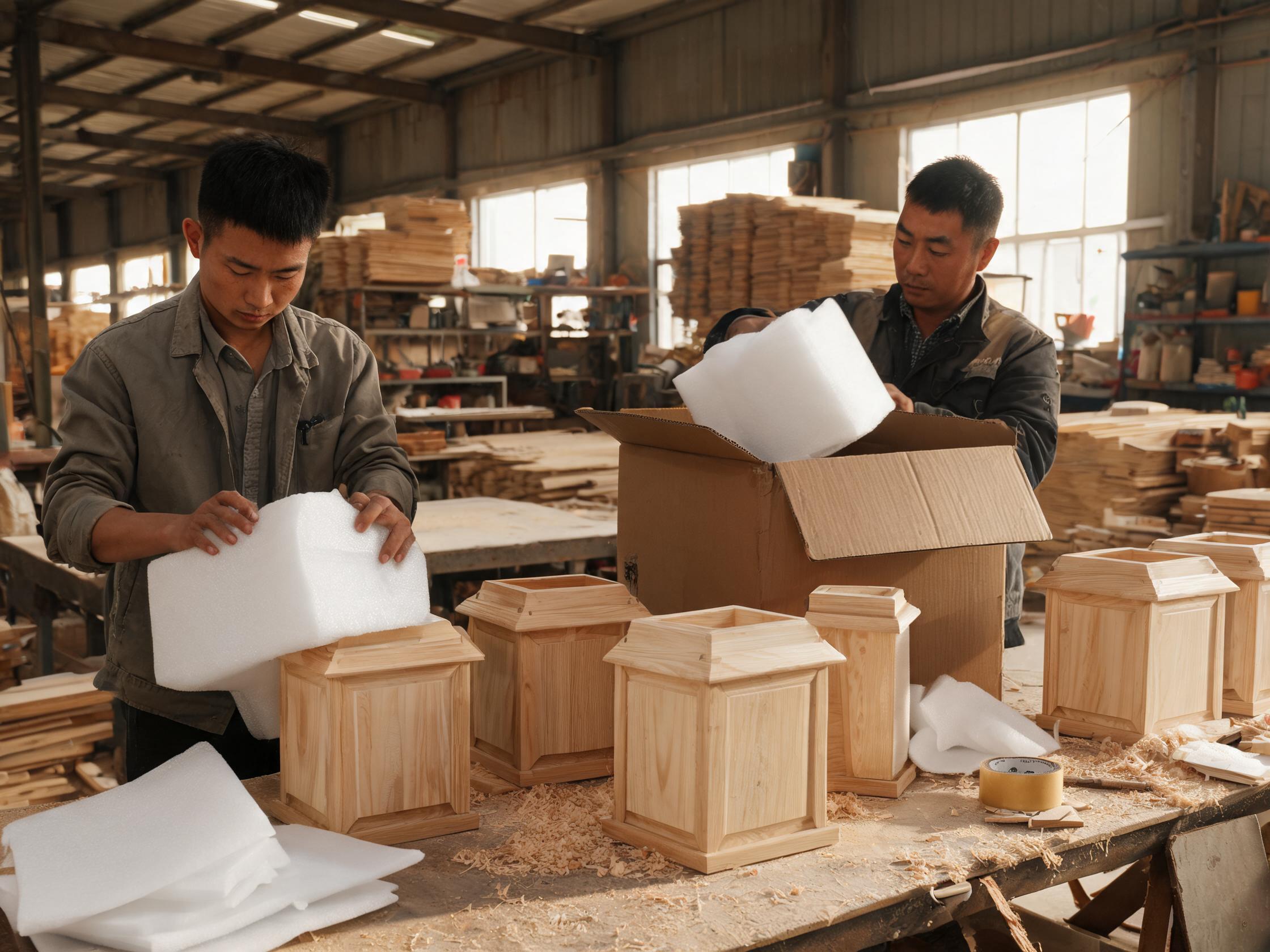
The frame urn is the one product in this category with a second sale built in, and most buyers do not plan for it.
Most memorial purchases happen once per household. The photo frame urn is the exception: it generates a second purchase, sometimes a third, and the reason is not sentiment alone. It is that the product invites a decision the buyer did not finish the first time.
The First Sale Is a Container
The first purchase is functional. The family needs somewhere for the ashes, the box has to hold the bag, and the frame is a bonus. At that point the picture is usually chosen in a hurry, often a phone photo printed at home, and the frame is the least considered part of the purchase.
The Second Sale Is the Picture
Months later the same household comes back for a better print, or for a second frame urn for a second pet, or for a frame that matches a room. The second sale is about the image and the object, not the ashes. Buyers who stock frames as a separate accessory capture that sale; buyers who only stock complete urns do not.
What Makes the Second Sale Happen
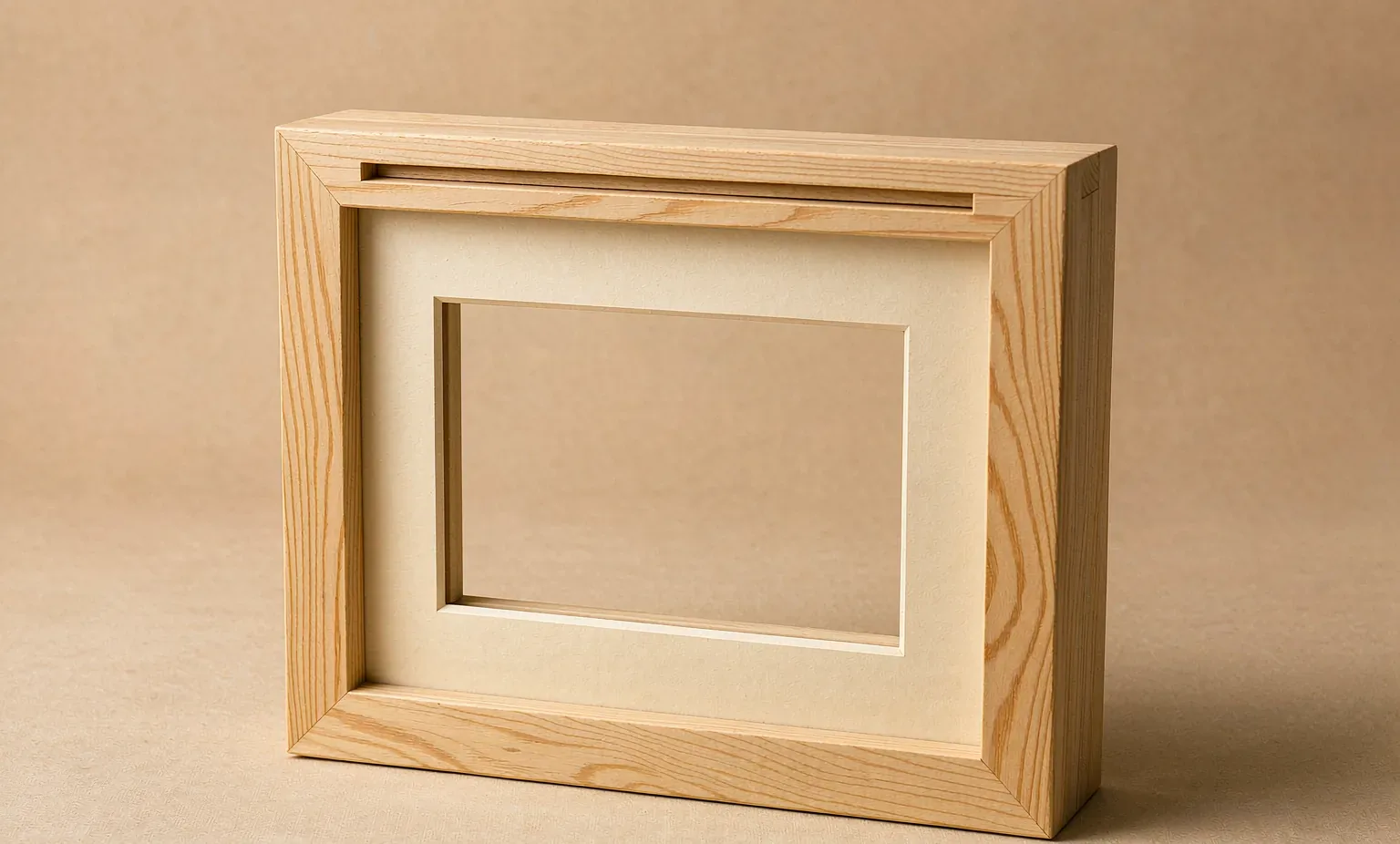
Three things: an aperture that matches a standard print size, a frame that can be opened without disturbing the ash compartment, and a spare panel in the box. The first is a specification, the second is a design, the third is a packing decision that costs almost nothing.
Design Detail That Blocks It
A frame that sits over the ash compartment and shares its depth is the configuration that sells best and blocks the second sale hardest, because a family cannot change the picture without opening the ashes. A frame mounted above a sealed compartment, with the panel accessible from the front, keeps both sales available.
Pricing the Second Sale
Frame urns are usually priced as a premium unit, and the second sale is a print or a frame, not an urn. A buyer who prices the frame as a separate line item at a modest margin sells more of them than one who bundles everything into the urn price and has nothing left to sell later.
What to Stock
Two frame sizes, one finish, and a supply of spare panels. That is the whole inventory. A retailer with twelve frame urns in six finishes has capital in the wrong place; four units in two sizes with panels behind them covers the case and the follow-up.
The Risk
The risk is a frame that looks like an afterthought: a thin border, an acrylic panel that scratches in transit, or an aperture that fits no standard print. Those produce a return in the first month and no second sale in the second year.
See the frame urn product and its compartment depth, or read the frame and ash depth article.