Density, burn behaviour, freight and finish: what actually separates pine from paulownia when the box has to burn.
Pine and paulownia are both light softwoods and both are used for pet caskets, so the choice looks arbitrary until you price the freight and watch a retort run. The differences are density, burn residue, how the surface takes a finish, and what each species costs to move.
Density, Not Hardness
Paulownia is one of the lightest commercial woods, typically well under pine in density. A casket built from it weighs noticeably less than the same casket in pine, which matters twice: once when a single staff member lifts it at intake, and again when freight is charged on actual weight rather than volume.
Burn Behaviour
Lower density means faster ignition and less residue in the retort. A crematory that runs several small pets in a day notices the difference in cycle time and in how much ash load the retort carries. Pine burns well but leaves more char, and a denser casket takes longer to disappear.
Freight Arithmetic
Caskets are bulky, so freight is usually charged on volume rather than weight. That flattens the difference at container level and keeps it sharp at parcel level, where a single casket shipped by air or express is priced per kilo. If a buyer's model is direct-to-family shipping, paulownia wins on the invoice.
Taking a Finish
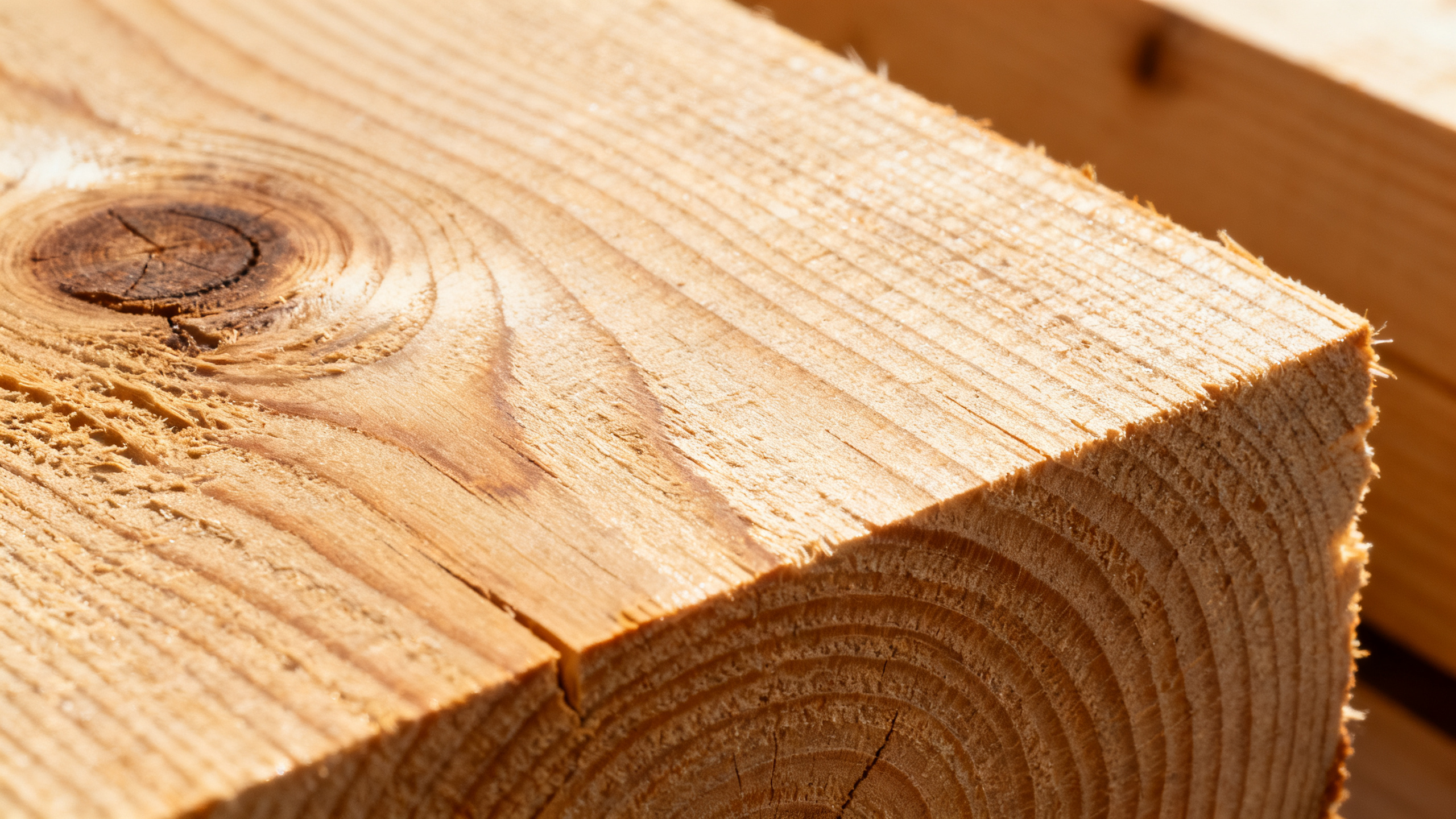
Pine holds a stain evenly and takes a lacquer film well, but its knots bleed resin unless sealed first. Paulownia is softer and more porous: it absorbs stain quickly, can go blotchy if applied unevenly, and dents more easily under handling. A service-room casket is usually stained rather than lacquered for that reason.
Structural Honesty
Neither species is strong. Paulownia in particular needs a thicker wall or a brace to hold a large body, and both are built as a viewing and cremation casket rather than a load-bearing box. A casket is not a shipping crate, and the specification should say so rather than imply otherwise.
Which to Stock
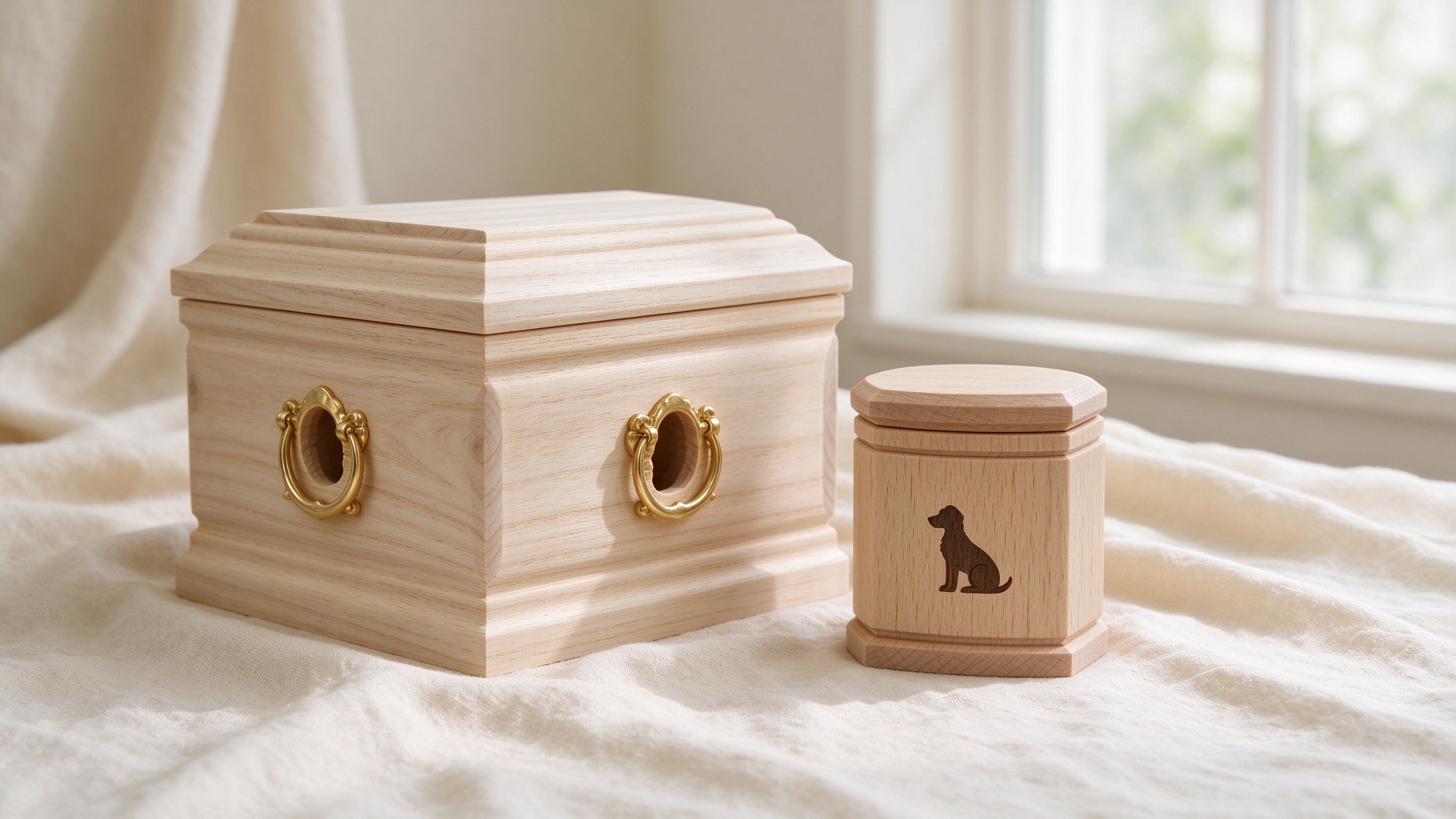
Crematories that handle mixed intake usually stock paulownia in three sizes because the weight and burn behaviour are predictable. Buyers who sell a stained, presentable casket into funeral homes often prefer pine, because it takes colour better and reads as a conventional wood. A buyer can hold both: one pallet each, and let the account decide.
See the casket line and its three interior volumes, or compare the materials side by side.