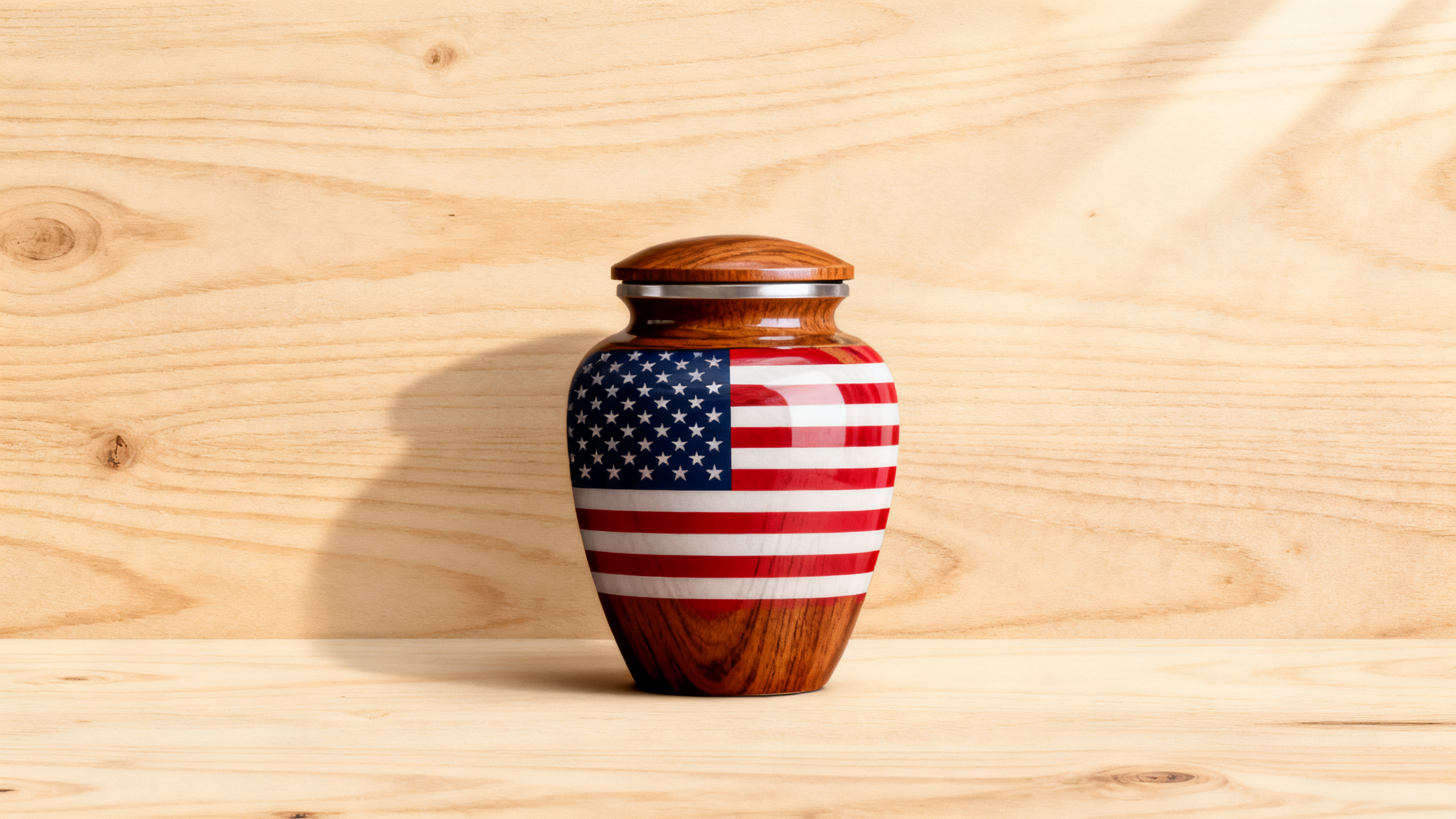
Some families buy an urn while the pet is still alive. What changes when the purchase is planned rather than urgent.
A small but growing share of urn purchases happen before the pet dies. The buyer is planning for an elderly animal, and the purchase behaves nothing like an urgent one: there is time, there is a budget, and there is a willingness to ask questions.
Who Buys Early
Typically the owner of a dog over ten, a family with a pet in palliative care, or someone who has been through a loss before and does not want to decide in a week. They are not shopping for a discount; they are shopping for certainty, and they often want one object that will not be chosen under pressure.
What They Ask
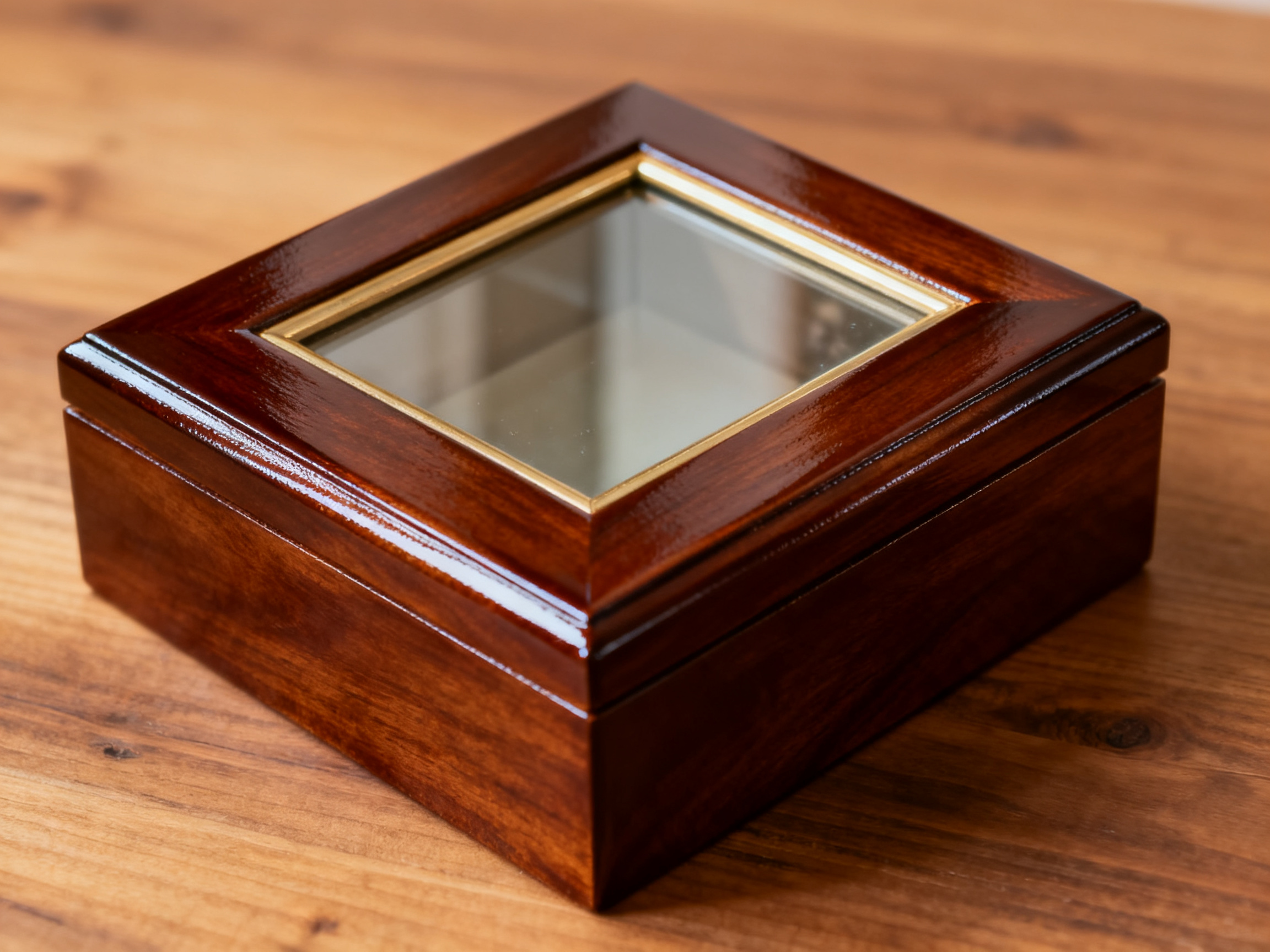
Three questions, in order: will this still be right in a year, can the picture be added later, and what happens if the size turns out wrong. An urn that cannot answer the second question loses the sale, which is why a frame urn with an accessible panel sells better into this group than a sealed one.
Why Engraving Has to Wait
A pre-need buyer usually does not want the name and dates cut yet. Engraving is the one step that cannot be undone, and a family that buys early wants the option, not the inscription. Holding the engraving as a separate order also keeps the delivery date flexible.
The Size Problem
Buying early means guessing a weight that may change. A dog that is 60 lbs today may be 50 lbs in two years, and the urn should be chosen from the bag it will hold rather than the current weight. The honest advice is to buy the size one step above the current weight band, not two.
Pricing and Terms
Pre-need orders are quoted like any other, but the buyer often wants to pay a deposit and settle later. That works when the unit is stock and held for a stated period; it does not work for a custom run, which is produced once and cannot be resold. Say which one applies before taking money.
What Stockists Should Carry
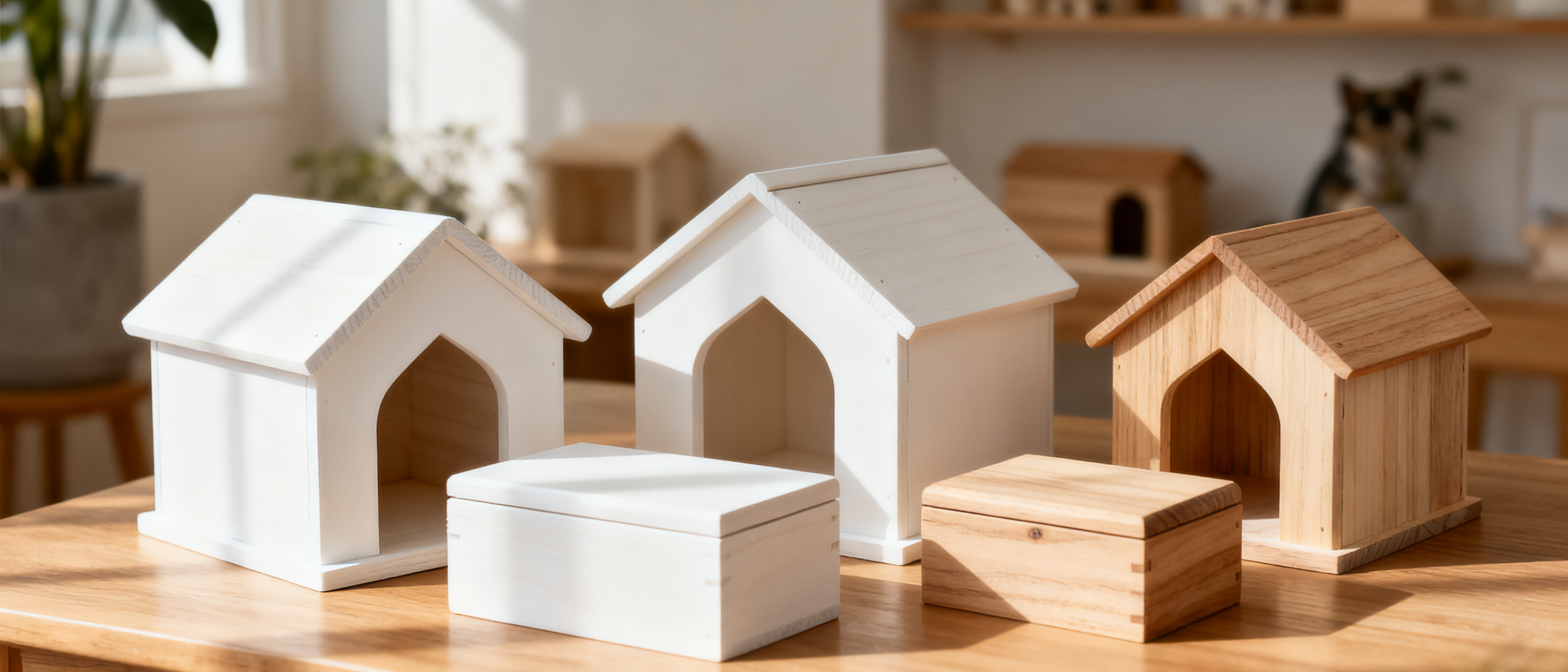
One frame urn in two sizes, one plain urn in the same two, and a supply of spare panels. That is enough for the planned purchase without turning the shelf into a warehouse. Anything beyond that is a special order with a lead time the buyer can plan around.
The Service Side
A pre-need buyer often wants a conversation rather than a transaction: what happens at the end, who collects, whether the urn can be filled by the crematory. Clinics that can answer those three questions sell the planned purchase; clinics that cannot, hand it back to urgency.
See the frame urn product and the finished line.