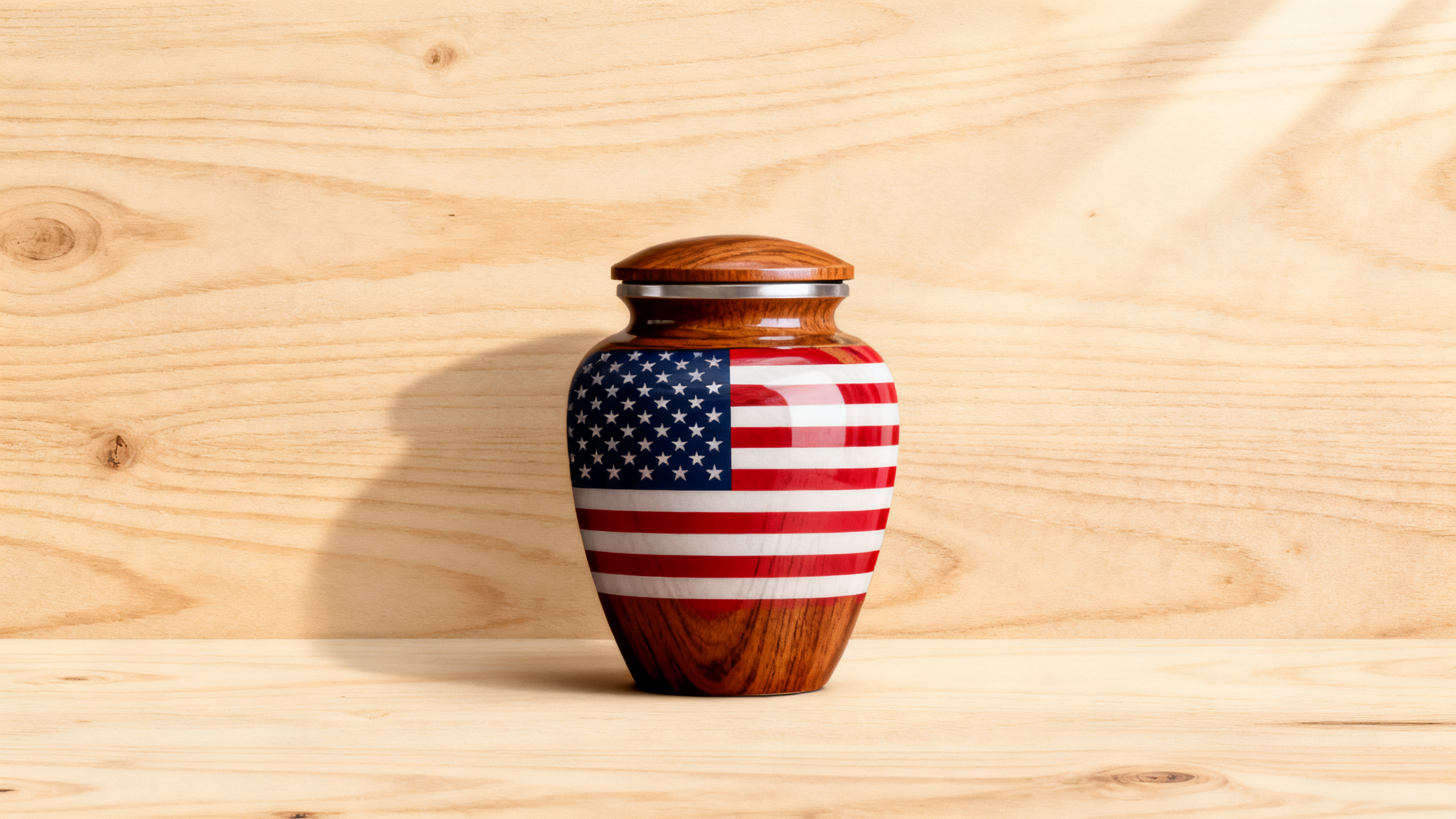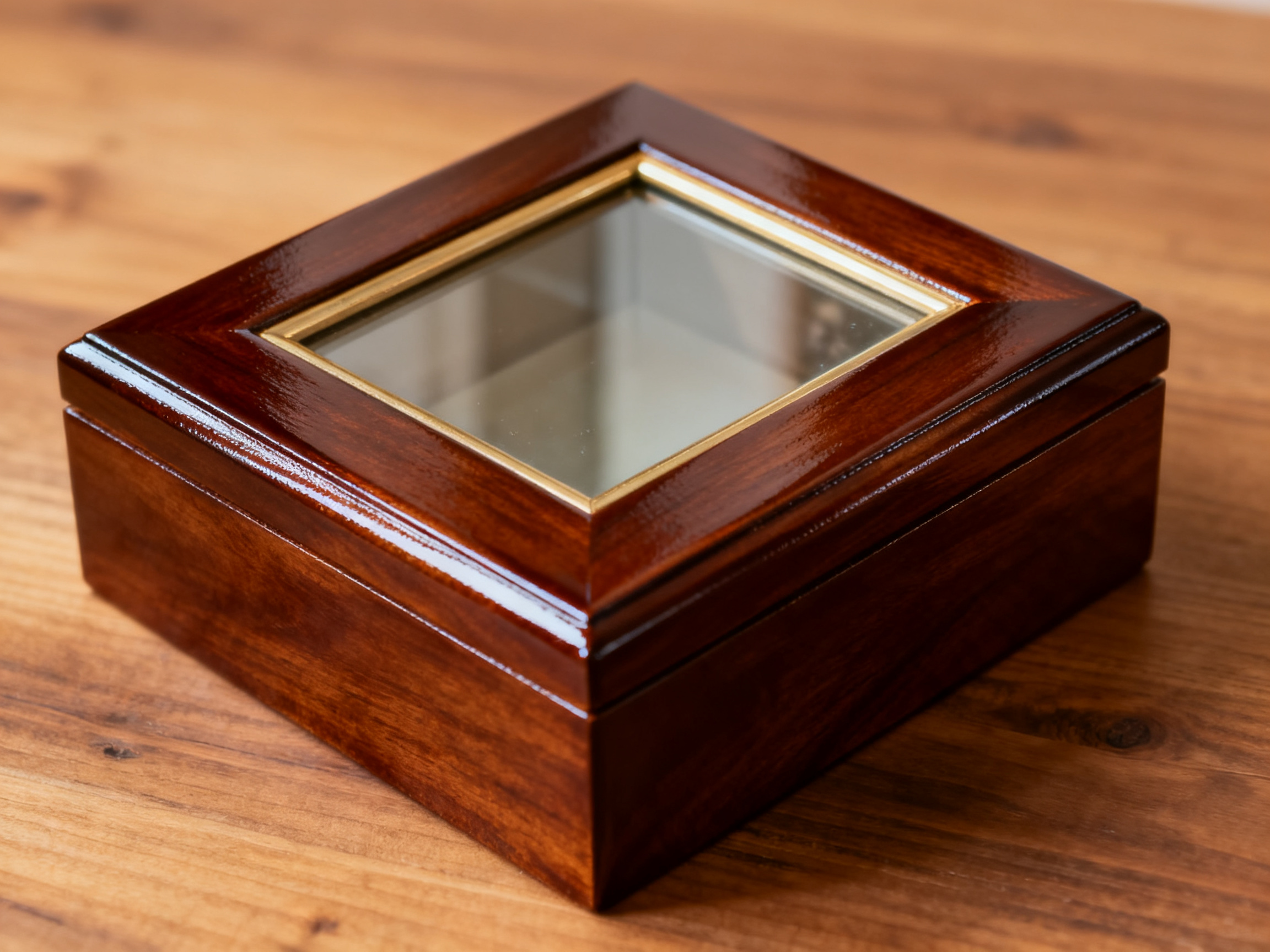
What a pet urn listing has to answer in the first screen, the spec block that prevents returns, and the sections worth deleting.
A pet urn product page has one job: let a buyer decide without asking a question. Most listings fail because they describe the product instead of answering the decisions a buyer makes about size, engraving and delivery. This guide sets out an order that works for both a grieving family and a wholesale buyer landing on the same page.
What the Page Has to Answer First
In the first screen a visitor needs four answers: what it is, what size it holds, what it costs or what the minimum is, and when it ships. A page that opens with a paragraph about heritage answers none of them. The order is not decorative; it reflects the sequence in which a buyer abandons a page.
Title, Image and the First Line
The title should name the article, the material and the form, because that is what the visitor searched for — for example unfinished pine pet urn with photo frame. The main image should show the urn on a plain background at a size that fills the frame, with the lid either closed or shown in a second image. The first line of copy should confirm what the title promised rather than introduce a new idea.
The Spec Block Instead of Prose
Specifications belong in a table, not in sentences: outer dimensions, inner dimensions, capacity, weight, species and finish, closure type, lining, and what is included. A table is scannable and a paragraph is not, and the same table answers the family's size question and the wholesale buyer's packing question. Keep the table short enough to read in one screen.
Capacity Stated in the Units Customers Use
Capacity should appear in cubic inches and litres, with a usable figure rather than a raw interior, and with a weight guide that says what it means. A single number with no method invites a return, because a buyer with a 60 pound dog will read 200 cubic inches as sufficient unless told otherwise. Stating the usable volume at about 75 percent of the interior is the honest version.
Customisation Without a Second Page
Options should be visible on the page, not hidden behind a contact form: engraving, photo frame, gift box, private label, and the minimum quantity at which each becomes available for a pet urn order. A buyer who cannot see the options assumes there are none. Each option needs its minimum and its lead time beside it, or the enquiry that follows will be a question rather than an order.
Documentation and Lead Time
For a wholesale buyer, the page should state what documentation accompanies a shipment and what the lead time is from deposit. Those two facts decide whether the page is worth bookmarking. Vague statements like fast delivery are read as an absence of information, while a specific range is read as a commitment.
Trust Elements That Belong on the Page
Photographs of production, a named contact, a factory address, and certificates shown with their scope. A certificate badge with no explanation suggests the buyer should not ask what it covers. A short line naming what the certificate covers and what it does not is more convincing than a logo wall.
The Quote Action
The primary action should be a quote request, not a shopping cart, on a wholesale page. The form should ask for the five things a quote needs: product, quantity, destination, marking, and timeline. A form that asks for a phone number and nothing else produces a conversation rather than a quote.
What to Cut
Cut brand narrative that does not answer a question, generic statements about quality, photographs of unrelated products, and any claim that cannot be supported. Every section that does not help a buyer decide is a section that delays the decision. A shorter page that answers the four opening questions outperforms a longer one that does not.
See the search terms guide for the wording pet urn buyers use; the line sheet guide covers the wholesale document version of the same information.