What a retailer can fix on a returned or shop-worn urn, what cannot be fixed, and when replacement is the cheaper answer.
A shop-worn urn or a return with a light scratch does not have to become a write-off. Some defects are recoverable in minutes at the counter; others should never be attempted, especially on an engraved or personally inscribed piece. This guide separates the two and sets out the order of work.
What Can Be Repaired and What Cannot
Surface scratches in a clear finish, a dull patch, a loose hinge and a stripped screw are all recoverable. Water staining that has penetrated, a cracked panel, a corner that has lost material and a damaged engraving are not — at least not invisibly. The distinction matters because an attempted repair on the second group usually makes the piece unsellable rather than merely imperfect.
Scratches in a Finished Surface
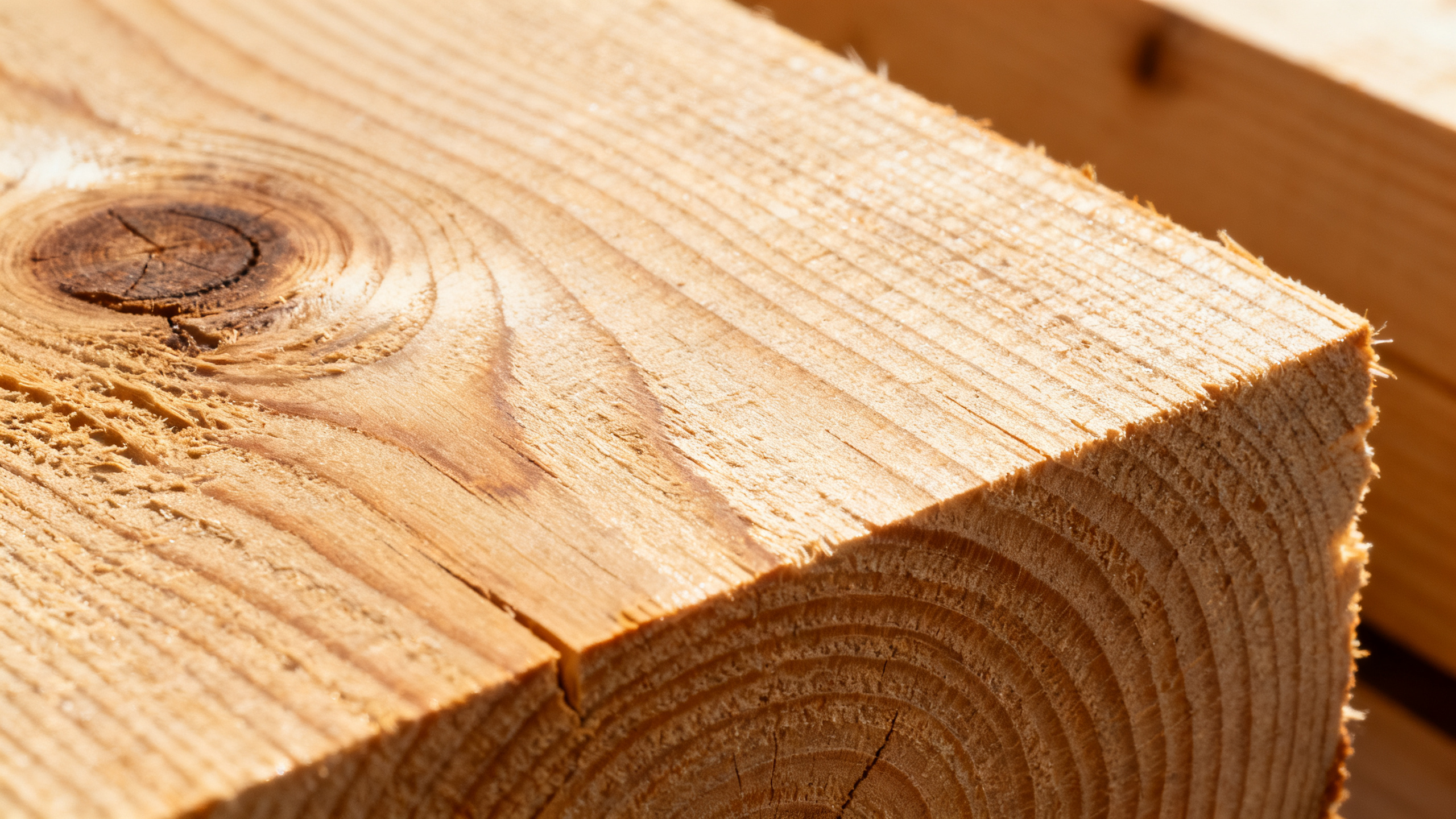
A light scratch in lacquer or oil can often be worked out with a fine abrasive followed by the same finish on a small area, blended outward rather than spot-applied. A scratch that has cut through the colour into bare wood needs colour first, then finish, and the match is rarely perfect. Where the scratch sits on a display face, the honest answer is usually a replacement rather than a repair.
A Dull or Patchy Finish
Dullness is usually wear or cleaning with the wrong product; patchiness is usually uneven application. A dull area can be revived by cleaning and re-applying the finish to the whole face, not just the patch, because a spot repair shows under raking light. Where the finish has failed over a large area, refinishing the piece is a workshop job rather than a counter job.
Loose Hinges and Stripped Screws
A loose hinge is fixed by removing it, filling the screw holes with a material that takes a new thread, and refitting with slightly longer screws where the section allows. A stripped screw in a thin lid is the harder case: there may not be enough material left for a second bite, and the fix is a larger screw with a matching hinge or a different hinge position. Both are workshop repairs, not counter ones.
Lining and Bag Renewal
Lining and ash bags are consumables. A stained or torn lining can be replaced, and a bag can be renewed, but only while the urn is empty. Once ashes are inside, the urn should not be opened for cosmetic reasons — the risk of disturbing the contents outweighs the benefit of a clean lining. That is a boundary worth explaining to a customer.
Repair Versus Replacement Economics
Repair is worth it when the unit is expensive, the defect is small and the labour is available. Replacement is cheaper when the unit is a stock line, the repair needs refinishing a face, or the piece is engraved for a specific family — because a personalised unit cannot be resold and a repaired one still carries the damage in the customer's memory.
Doing It Without Harming the Engraving
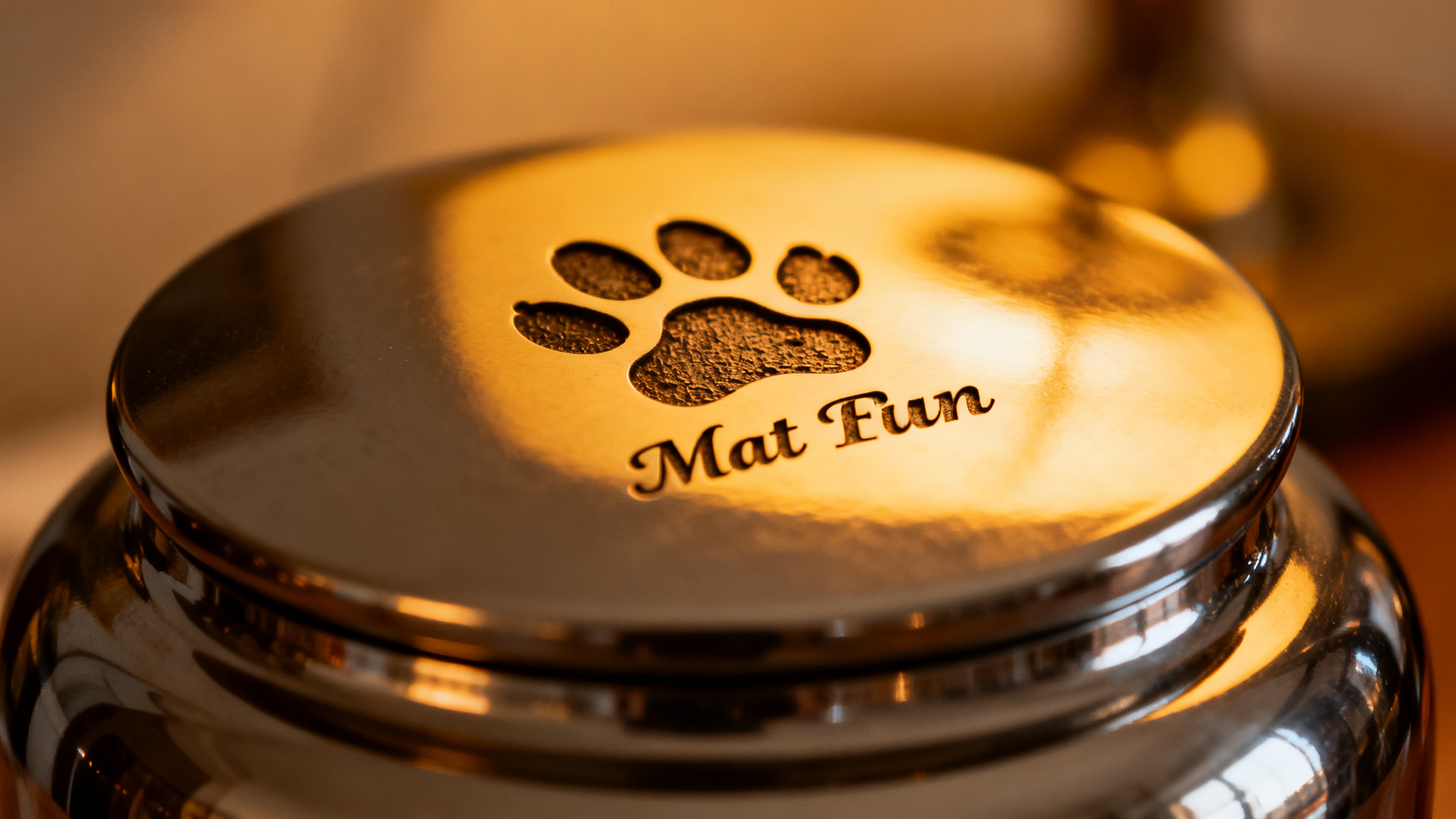
Any abrasive work near an engraving will soften the line, and a colour fill cannot be touched up locally without showing. Where an engraving is involved, mask it, work away from it, and stop if the repair area reaches the engraved field. If it does, the piece is a replacement, not a repair.
What to Record
Record what was repaired, with photographs before and after, and keep the unit's SKU and batch. If several units from one batch show the same weakness — a hinge pulling out, a finish dulling — that is a product signal rather than a series of accidents, and it belongs in a conversation with the supplier rather than in a repair log.
See the care guide for what customers should do at home; the closure guide explains which hardware is serviceable.