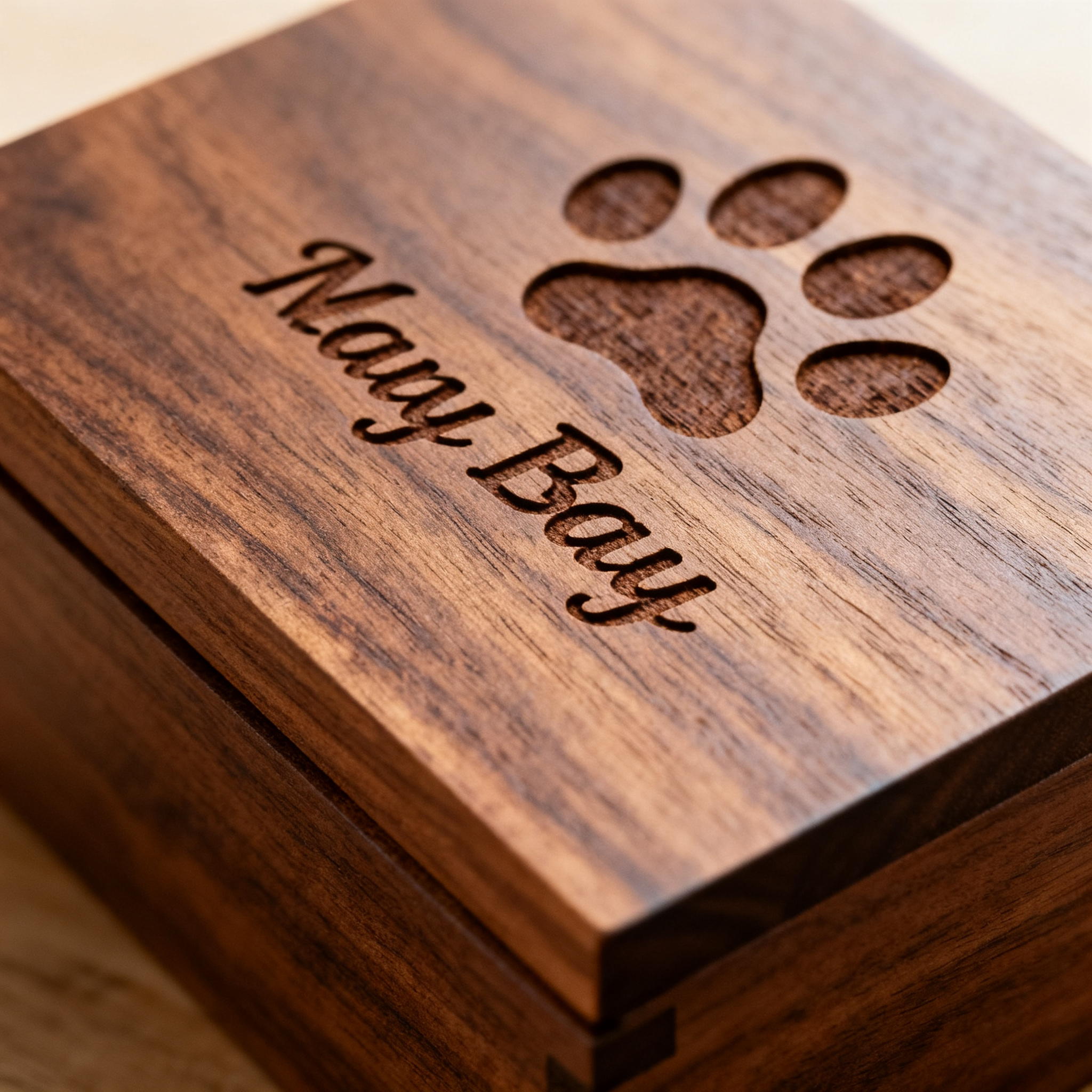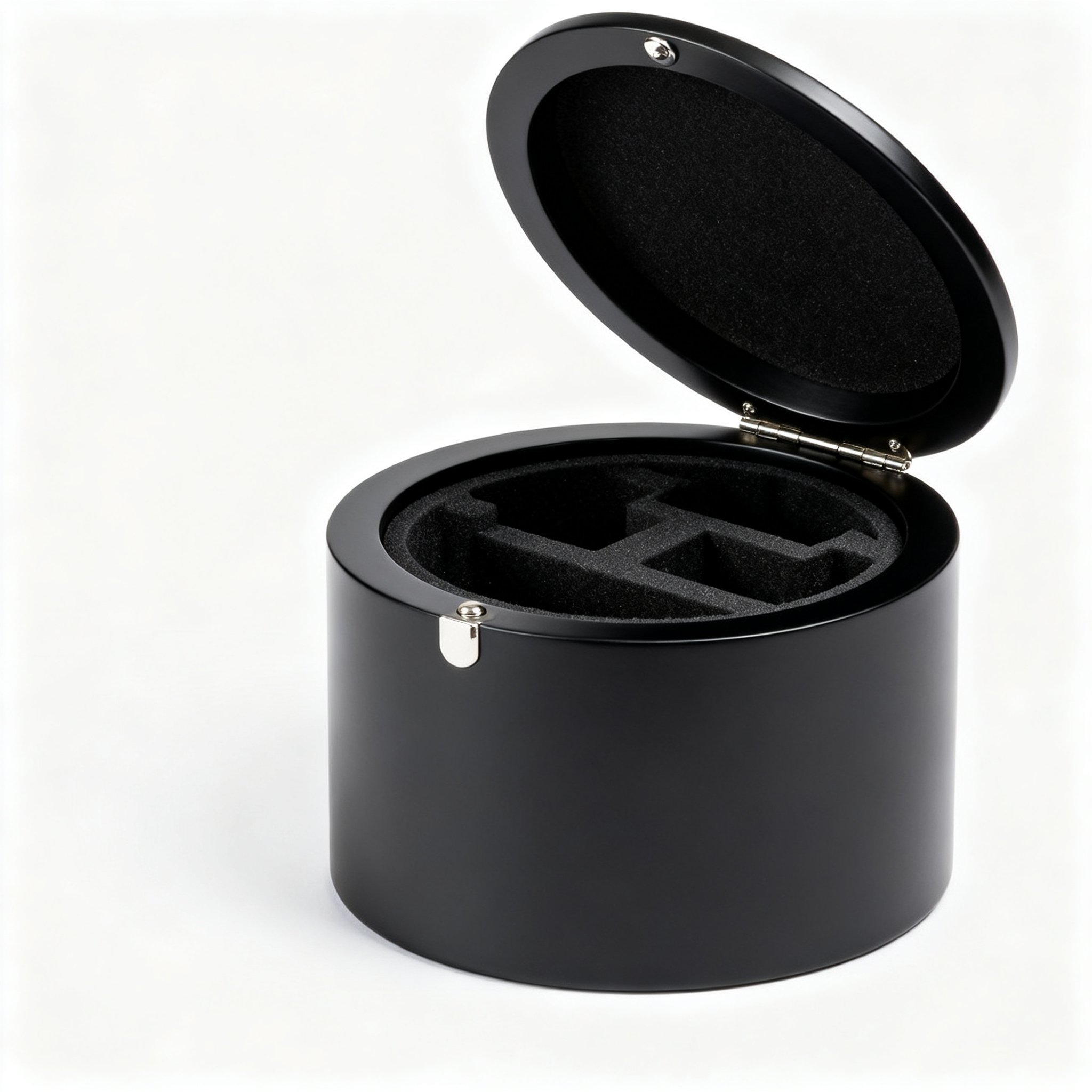
How to build a pet-to-box size chart that holds up in practice, and the assumptions that have to be stated on it.
A size chart is the most-read table on any pet urn listing and the one most likely to be wrong. It is usually built from a rule of thumb, applied to a range, and published without its assumptions — which is how a family ends up with a box that is too small or comically large.
Why Size Charts Fail
They fail because they translate weight into volume without saying what kind of pet, what container the cremains arrive in, or how much of the interior is usable. A chart that says a 50 pound dog needs a certain box is a shortcut that works most of the time and produces a return the rest of the time. Stating the method makes the chart defensible.
Weight Bands and Their Limits
Weight is a proxy for cremated volume, and the common planning rule is about one cubic inch per pound of live weight. The rule is a reasonable centre point for dogs and cats and a poor guide for very small animals, very large animals, and pets whose body condition differed from their breed norm. A chart should present weight bands as bands, with a note that the individual case can fall outside them.
Volume and Usable Capacity
The interior volume is not the usable volume. Usable runs at about 75 percent of the raw interior once a bag, a lining and a divider are accounted for. A chart that lists the interior volume as capacity overstates the product, and it is the error that produces the most complaints. List the usable figure, and say that it is a planning figure.
Dogs and Cats
Cats and small dogs sit in a narrow band, and the box choice for them is mostly about shape and finish rather than capacity. Larger dogs spread across a wide range, and for them the chart needs finer bands and a note about the bag the crematory uses. A single band that covers 30 to 60 pounds is too coarse to be useful for the buyer of a large dog box.
Small Animals
For rabbits, guinea pigs, birds and rodents, the weight rule overstates the need, and the real constraint is the container the crematory returns. A mini line is chosen for meaning rather than volume, and the chart should say so rather than implying that a small pet needs a proportionally small box.
Formatting the Chart
Three columns do the work: a weight band, the usable volume, and the recommended product. Add a note under the table for the container, the 75 percent rule, and individual variation. A fourth column of dimensions helps the buyer who is checking a shelf rather than a capacity, and it prevents a second enquiry.
Stating the Assumptions
Write them out: cremains returned in a sealed bag, usable volume at about 75 percent, individual variation possible, and the chart intended as a guide rather than a guarantee. Four short statements make the table honest, and they protect the retailer when a case falls outside the band.
Reviewing the Chart
Review it against actual returns and complaints once a year, and against any change in the product range as soon as it happens. A chart that lists a discontinued size is worse than no chart, and a chart that has never been checked against real cases is a guess with a table around it.
See the size guide for the standard bands; the capacity guide explains the volume math behind them.