Why a mini memorial box is chosen for meaning rather than volume, and what changes when the pet weighs under ten pounds.
Most wooden pet memorial boxes are designed around a dog or a cat. The same families also lose rabbits, guinea pigs, hamsters, rats and birds, and the box that suits those pets is a different object rather than a smaller version of the same one.
Why Small Pets Need a Different Box
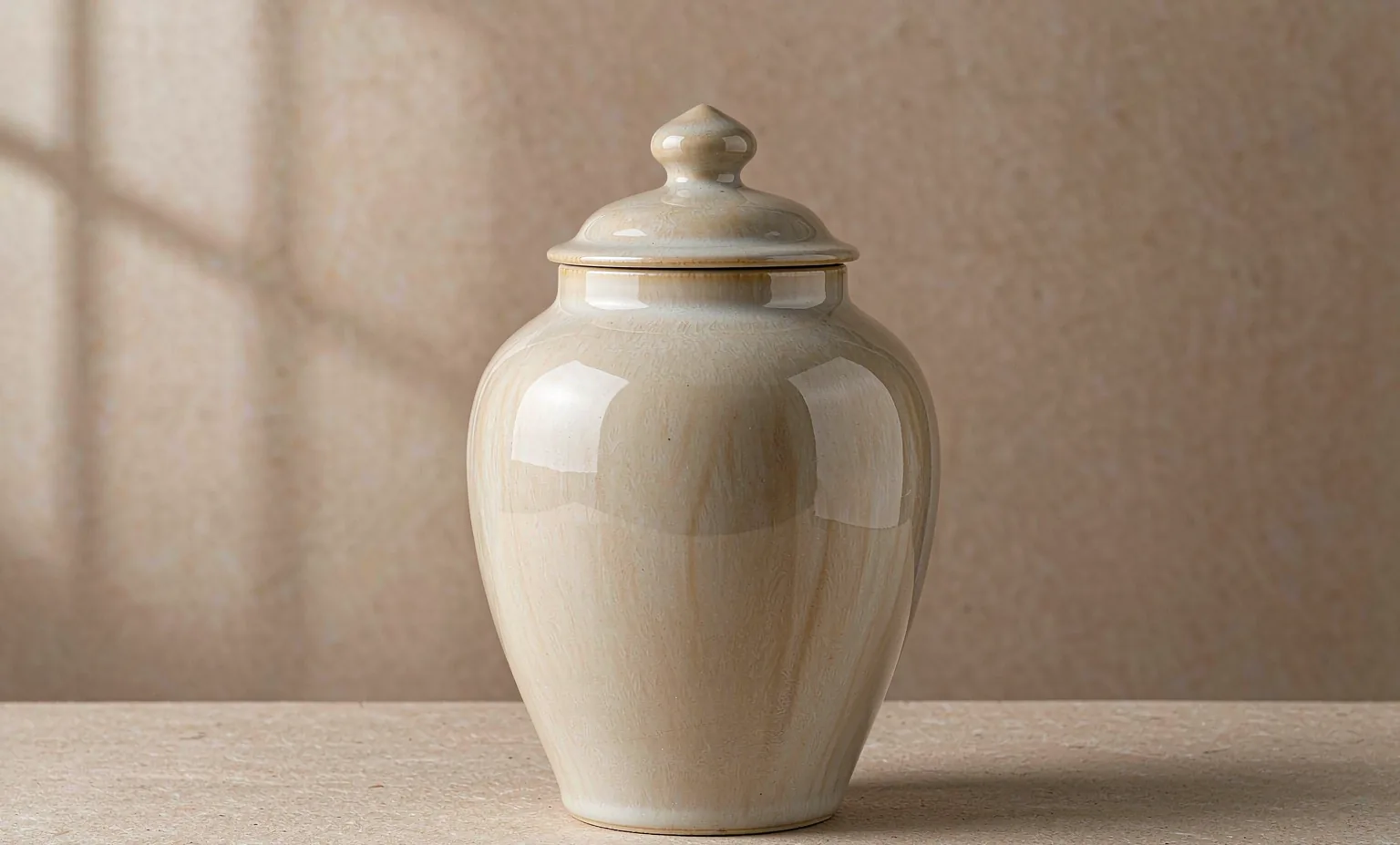
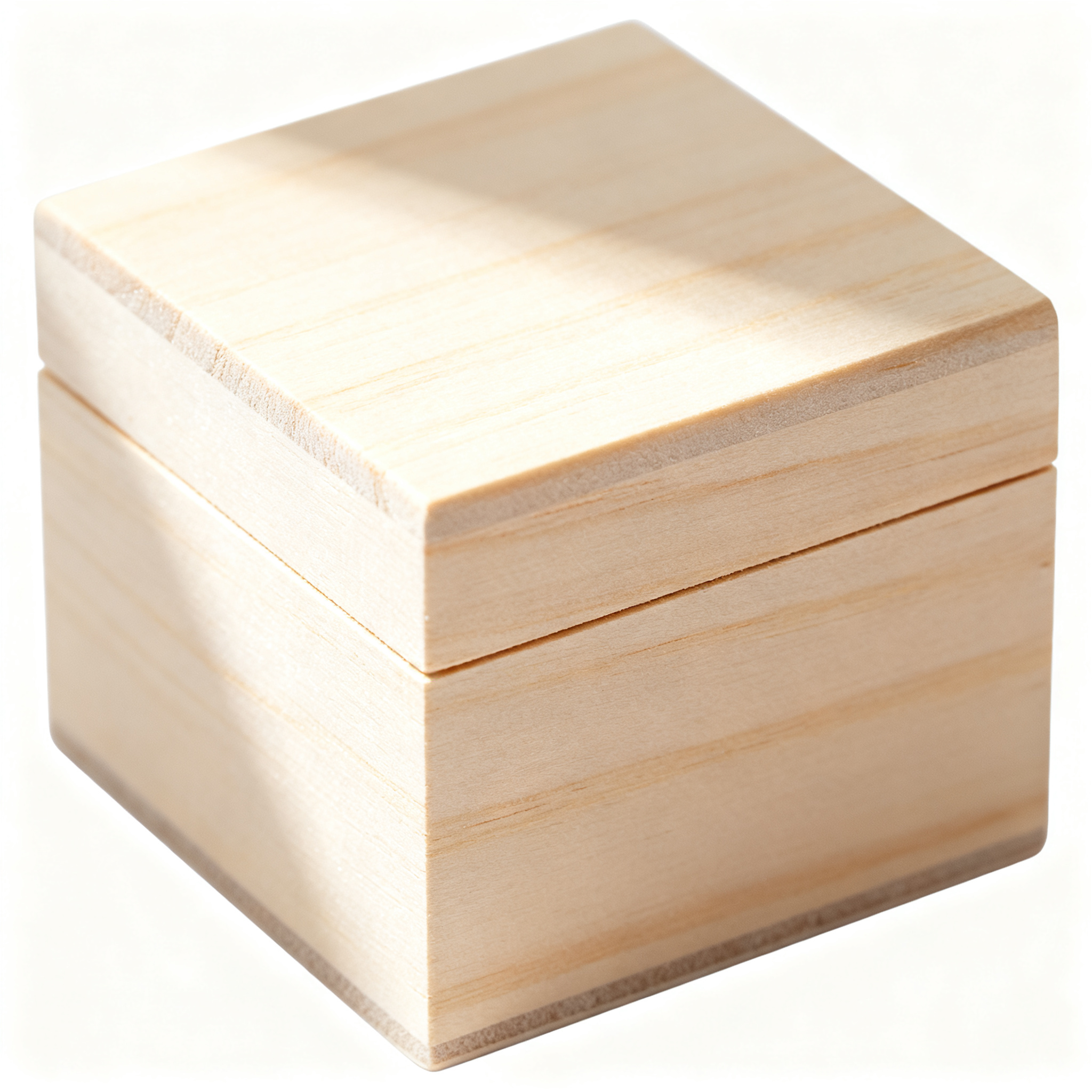
A mini memorial box is not a scaled-down urn. It is held in one hand, it sits on a desk or a windowsill rather than a mantel, and it is often chosen as a keepsake for a child who grew up with the pet. The design constraints change accordingly: the lid is small enough that a hinge would dominate it, the interior is shallow, and the engraving area is a few square centimetres.
What the Cremains of a Small Pet Look Like
A small animal's cremains are measured in a few cubic inches rather than hundreds. A rabbit, a guinea pig or a large bird returns more than a hamster or a budgerigar, but all of them sit far below the capacity of even the smallest full-size urn. That mismatch is not a problem: the box is chosen for the memorial, not for how much it holds, and an interior that is larger than the cremains is normal in this category.
Capacity Still Matters, Just Differently
The usual capacity rule of about one cubic inch per pound of live weight is a planning heuristic for dogs and cats, and it overstates the need for very small animals because the ratio does not scale down neatly. For a pet under ten pounds, the practical question is not capacity but whether the cremains arrive in a bag, a small tube or a scatter box, because that container has to fit inside. Ask what the crematory returns before choosing the interior depth.
Dimensions That Work at Mini Scale
A mini box is typically small enough to hold in the palm, with an interior deep enough for a small bag and a lid that opens without a hinge. Because the interior is shallow, a divider or a raised platform reduces usable depth quickly, so a divided mini box is a deliberate choice rather than a default. Where a family wants to keep a collar or a lock of fur inside, that object usually belongs beside the box rather than inside it.
Lining and Bag Options at Small Scale
A fabric lining in a mini box takes up a meaningful share of the interior volume, and a padded lining can make the box look empty once the bag is inside. A simple unlined interior with a small bag reads better at this size, and it is easier to keep clean. Where a lining is used, a thin one that follows the interior rather than a quilted one is the better match.
Engraving on a Small Lid
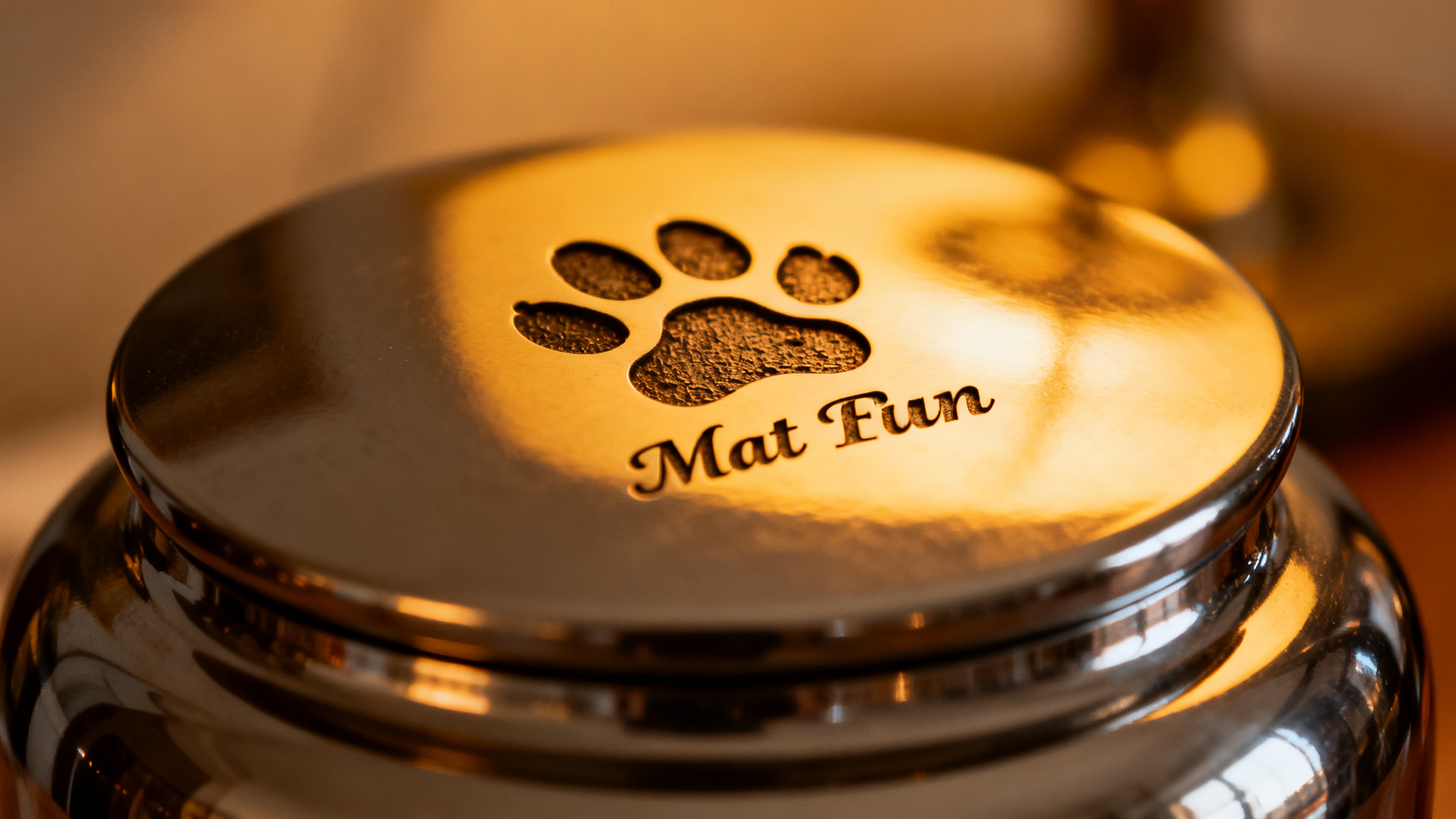
The engraving area on a mini box is small, so the message has to be short: a name, or a name and two dates, in a face that holds up at a few millimetres of letter height. Script faces with fine strokes disappear at this size, and a fill makes the letters look heavier than the space allows. A single line is usually the honest maximum, and a second line costs legibility rather than adding information.
Packaging and Presentation
Mini boxes ship in multiples per carton, separated by dividers, and they are light enough that the carton, not the unit, is what protects them. Because they are often bought as gifts or as keepsakes for several family members, a small gift box around the unit is worth more here than on a full-size urn: the parcel is opened by the recipient rather than unpacked by staff.
Minimums and Range Planning
The mini line carries a minimum of 100 pieces, and mixed sizes within the line can be combined to reach it. That makes it practical for a retailer to test several shapes and finishes rather than committing to one, which suits a category where the buyer is choosing a keepsake rather than specifying a funeral product. Where a full-size order is already running, adding mini units to the same shipment is the cheapest way to build the range.
What to Avoid
Avoid describing a mini box as suitable for a dog. It is a keepsake for a small animal or a portion of a larger pet's cremains, and a listing that blurs the two produces a return from a family who expected a full-size urn. Avoid deep interiors that leave the bag rattling, and avoid engraving layouts that only read at arm's length.
See the mini keepsake range for the sizes available; the capacity guide explains how the one-cubic-inch rule is applied.