How to tell a solid wood pet urn from a veneered board one before you buy, and why the difference shows up in engraving.
A surprising number of listings described as wooden pet urns are not solid wood at all. They are a board core with a thin wood face glued on, and the difference is invisible in a product photograph. It shows up when someone engraves the lid, when the box is handled on a shelf, and when a buyer inspects the first sample.
Why the Words Matter
Solid wood means timber cut from a log, used either as one piece or glued up from strips of the same species. Veneered board means an engineered panel — usually a fibreboard or blockboard core — with a 0.6 mm wood face on top. Both are sold as wooden, and both can look convincing under warm light.
The Weight Test
Pick up the same interior size in both materials. A solid pine box of six by four by eight inches weighs roughly 0.6 to 0.7 kg. A veneered board box of the same size usually weighs less, because the core is lighter than solid stock. This is the fastest check a buyer can run in a showroom and it costs nothing.
The End Grain Test
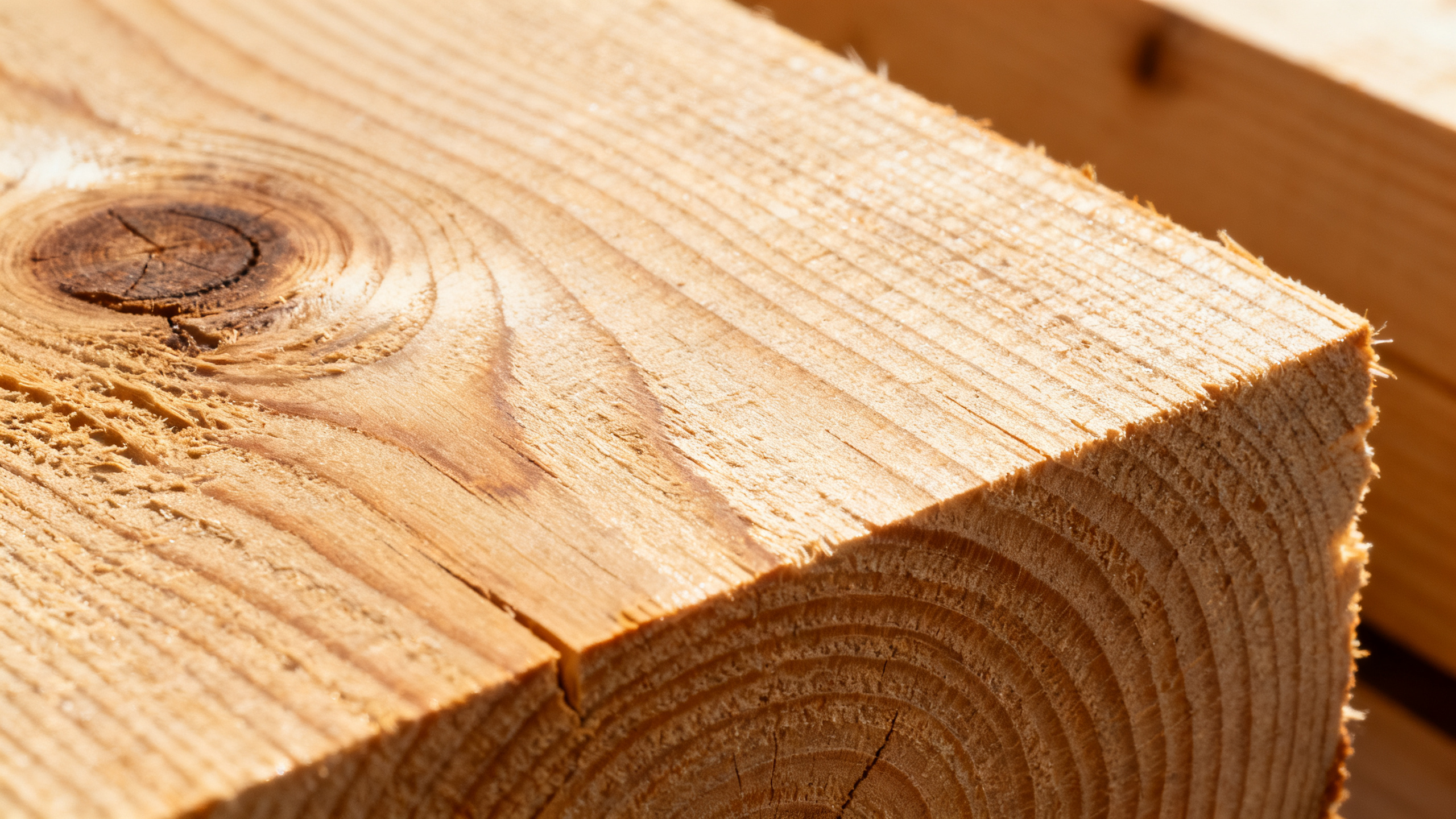
Look at an uncovered edge. Solid wood shows end grain: short, darker, slightly open fibres that follow the growth rings. Veneer shows a thin line where the face meets the core, and the edge underneath is uniform and flat. On an unfinished box this is easy to see; on a lacquered box look at the lid edge nearest the hinge.
The Engraving Test
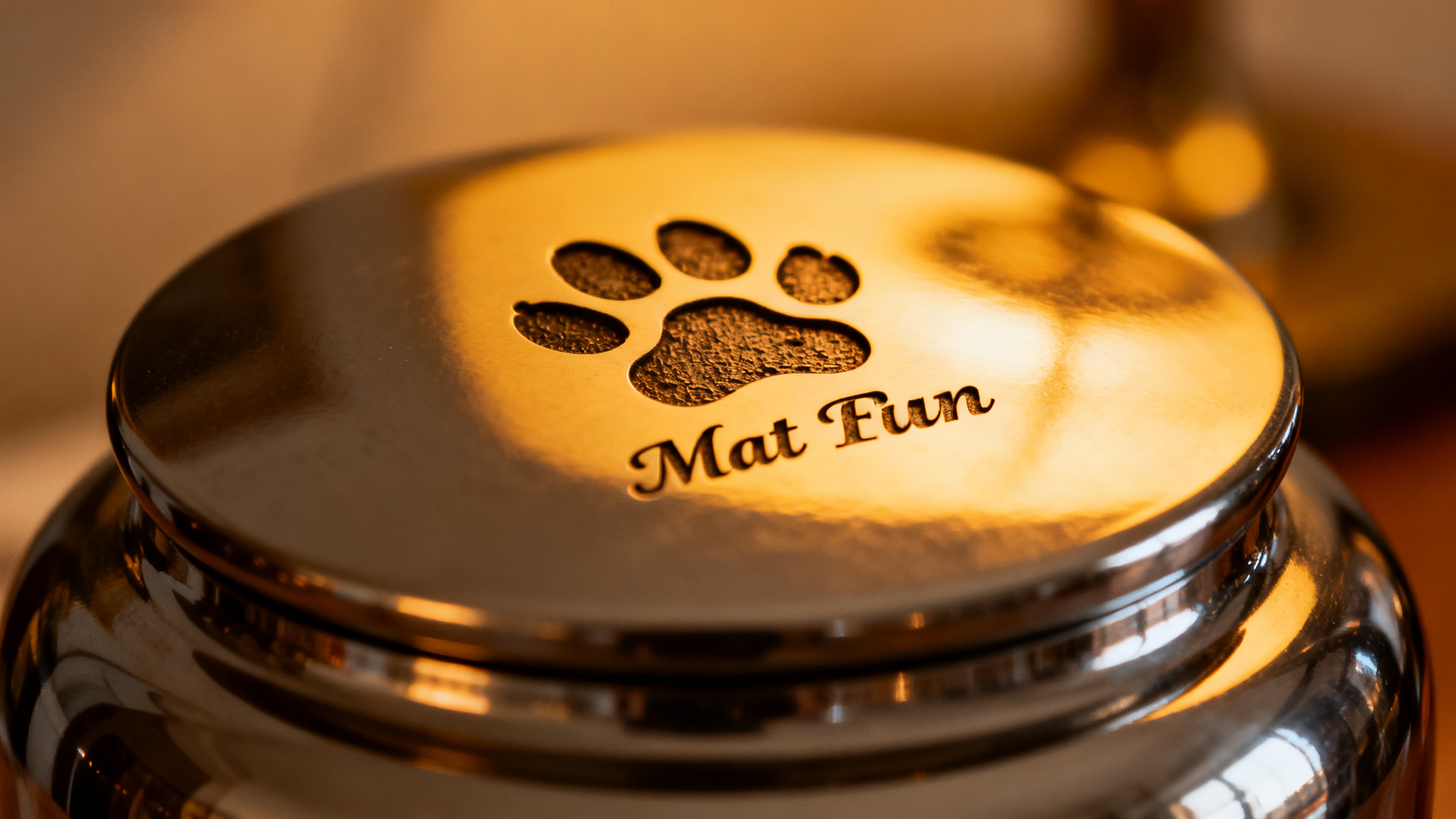
This is where the difference becomes commercial. A laser cuts into solid wood and the beam sees consistent material, so depth and tone are predictable across the panel. Cut into a veneered lid and the beam either stops at the face — leaving a shallow, pale mark — or breaks through into the core, which produces a dark patch with no grain. Buyers who engrave names and dates cannot afford that variance across a run.
What It Changes Over Years
Solid wood moves with the seasons and changes colour. A lacquered walnut box goes slightly warmer after a few years, and that reads as age rather than damage. A veneered box fails at the edges instead: the face lifts, usually at a corner, and once it lifts it cannot be repaired. For a box meant to sit on a shelf for a decade, that is the argument that matters.
What Solid Wood Costs
The honest answer is weight and freight. Solid pine is heavier than a board core of the same size, which raises the cost per unit shipped and, for air freight, the cost per unit considerably. That is the real trade: a buyer choosing a board box is usually choosing freight cost over engraving quality, whether they know it or not.
How We Are Built
Our pet urn lines are solid: kiln-dried pine, paulownia, walnut and oak, either a single piece or an edge-glued panel of the same species. There is no core and no veneer, which is why the unfinished line can be engraved by the buyer and why a lid can be rebuilt rather than replaced when something goes wrong.
Compare the lines on the finished wooden page, or read the finish options before ordering blanks.