Which sizes a clinic shelf actually needs, how many finishes, and why a wide range often sells less than a narrow one.
A vet clinic that decides to stock wooden pet memorial boxes usually orders a range that looks complete and sells badly. The reason is that clinic stock is chosen by patient profile and shelf space, not by catalogue breadth.
What a Clinic Shelf Actually Needs
A clinic shelf serves families at the moment of loss, in a small room, with a staff member present. It needs a small number of options that are visibly different, in sizes that match the patients the clinic actually sees, at prices that do not require a conversation. Breadth makes the decision harder at exactly the moment it needs to be easy.
Size Mix by Patient Profile
The mix follows the clinic's case profile. A practice that sees mostly cats and small dogs needs the smaller full-size boxes and a mini line; a practice with many large breeds needs the mid and large sizes and possibly a casket option. Counting the last year's cases by weight band is a more useful exercise than ordering one of each size, and it usually shows that two sizes cover most of the demand.
Finish and Price Bands
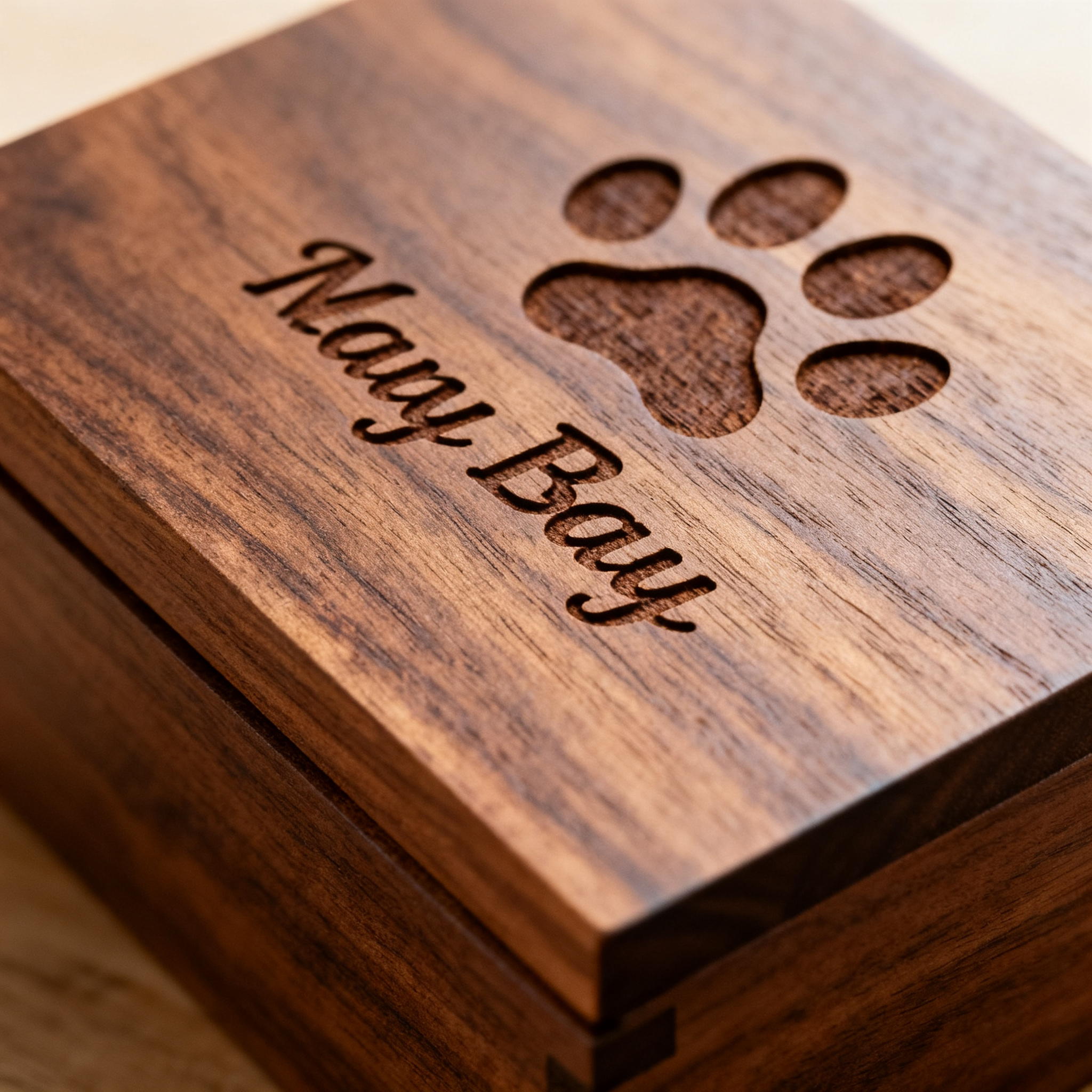
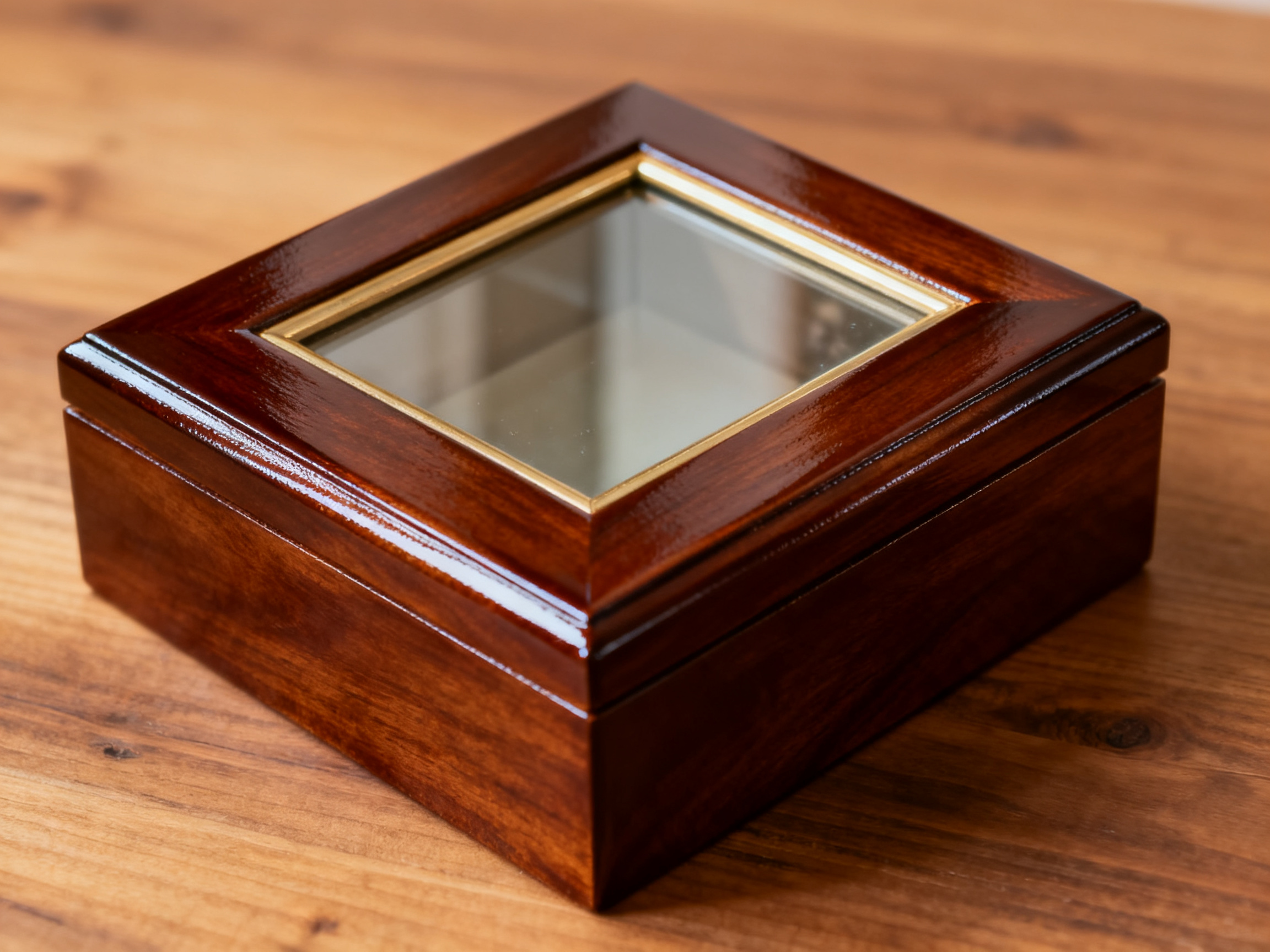
Three finishes are enough: a pale unfinished or natural look, a mid-tone stained piece, and a darker walnut or painted option. Each should sit at a different price, because the family is choosing on two axes at once. More than three finishes produces a display that reads as inventory rather than as a choice.
Display Space
A clinic has a shelf, not a showroom. Eight to twelve units in two or three sizes and two or three finishes is a display; thirty units is a storage problem that also looks like a warehouse. Where the space is small, the mini line takes the shelf and the full-size boxes are shown as samples with the stock kept behind.
Consignment Versus Purchase
Consignment reduces the clinic's risk and reduces the supplier's control over presentation. Purchase gives the clinic a margin and the supplier a forecast. The practical middle is a small purchase for the two sizes that move, with consignment for the rest until the pattern is clear. Either way, the agreement should state who owns stock that does not sell.
Restock Triggers
Restock on use, not on the calendar. A clinic that orders quarterly ends up with the wrong sizes twice a year; one that reorders when a size falls below two units keeps the shelf full without holding stock. The trigger is a count, and it is easy to agree in one sentence at the start.
Training Staff on the Differences
Staff need to answer three questions: what holds what, what the finishes are called, and whether engraving can be added and how long it takes. A one-page card beside the shelf, with the capacity in pounds and litres and the engraving lead time, turns a staff member into a confident adviser. Without it, the shelf is furniture.
What to Avoid
Avoid ordering a full-size range for a clinic that mostly sees small pets; avoid a display of one unit per size, which looks thin; avoid finishes that are hard to describe; and avoid promising same-day engraving. Each of these produces either dead stock or a promise the clinic cannot keep.
See the clinic solutions page for the programme structure; the capacity guide covers the size bands.