How a wooden box is actually used on the day cremains are returned, and what that asks of the product and the packaging.
The moment a wooden pet memorial box does its real work is not on a shelf. It is at a crematory counter, when cremains are returned to a family and placed in the box in front of them. That moment sets requirements no product photograph shows.
What Happens at the Crematory
A pet crematory receives the pet, runs the cremation individually or in a batch depending on its process, and returns the cremains in a container. The return is an appointment: the family arrives, staff confirm the identification, and the cremains are handed over. Where the family has bought an urn, it is often filled at that counter.
Identification Before Anything Else
The chain of identification runs from intake to return, and the box enters that chain when it is chosen. A box that arrives without a label, or in a carton that cannot be matched to a family, is a risk in a process built on matching. That is why consignment stock at a crematory has to be countable and identifiable rather than simply stacked.
The Transfer
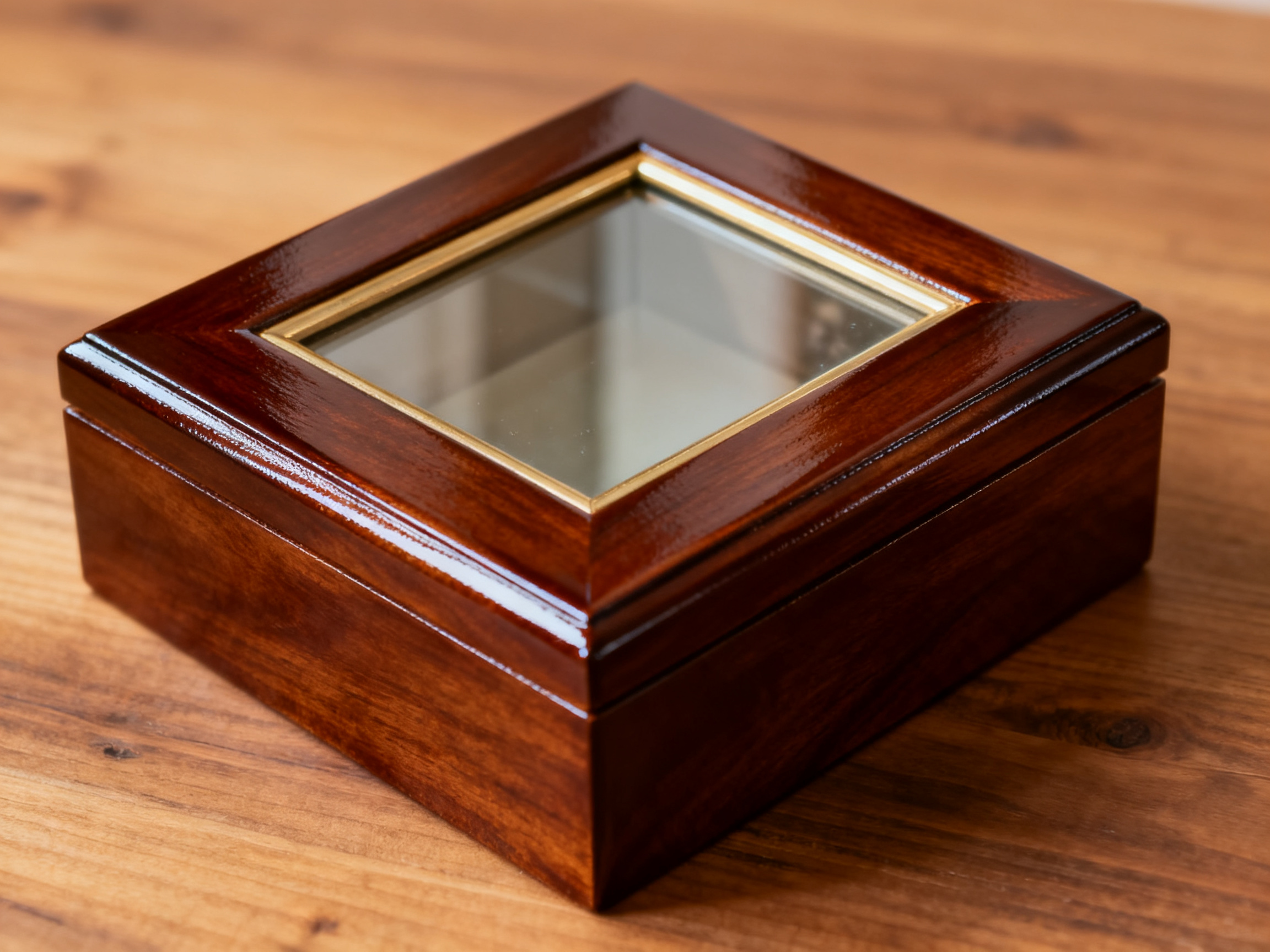
Filling a box at the counter means opening it, placing the bag inside, and closing it. The box has to open easily, close cleanly, and accept the bag without forcing. A closure that needs tools, a lid that binds, or an interior too shallow for the bag turns a two-minute moment into an awkward one, in front of a grieving family.
Sealing
Some crematories seal the box after filling, with a small screw or a tamper-evident label. A box designed to be opened repeatedly is not the same as one designed to be sealed once. Where sealing is the practice, the closure should be a screw-down or a latch that can take a seal, and the retailer should know which practice the local crematory follows.
Family Present or Absent
Some families are present for the filling and want to see it done; others collect a closed box. A product that presents well when open — a clean interior, a lining that does not look unfinished, an engraving already in place — serves the first case. A product with a gift box and clear care instructions serves the second, because the parcel is the whole experience.
What the Box Must Tolerate
At the counter the box is handled by staff who may be wearing gloves, on a surface that may be hard, with a bag that may be heavier than expected. It has to survive being set down, opened, filled, closed, and carried to a car. That is a lower bar than shipping, and a higher bar than display, which is why the product has to be designed for the middle.
Consignment Stock at a Crematory
Crematories that keep a shelf of boxes need a small range, countable stock, and a restock rhythm tied to their case volume rather than to a calendar. A display of twenty boxes in six sizes looks like a range and is often a liability, because the size that sells is not the size that was ordered. Two or three sizes in two finishes, restocked against actual use, is usually the better configuration.
What Suppliers Should Know
A supplier who understands the handover designs for it: a lid that opens with one hand, an interior that takes the standard bag, a closure that can be sealed, and packaging that survives being stored in a back room. Those four details are invisible in a catalogue and decisive at the counter.
See the clinic and crematory solutions page for the channel; the closure guide covers what each type can do.