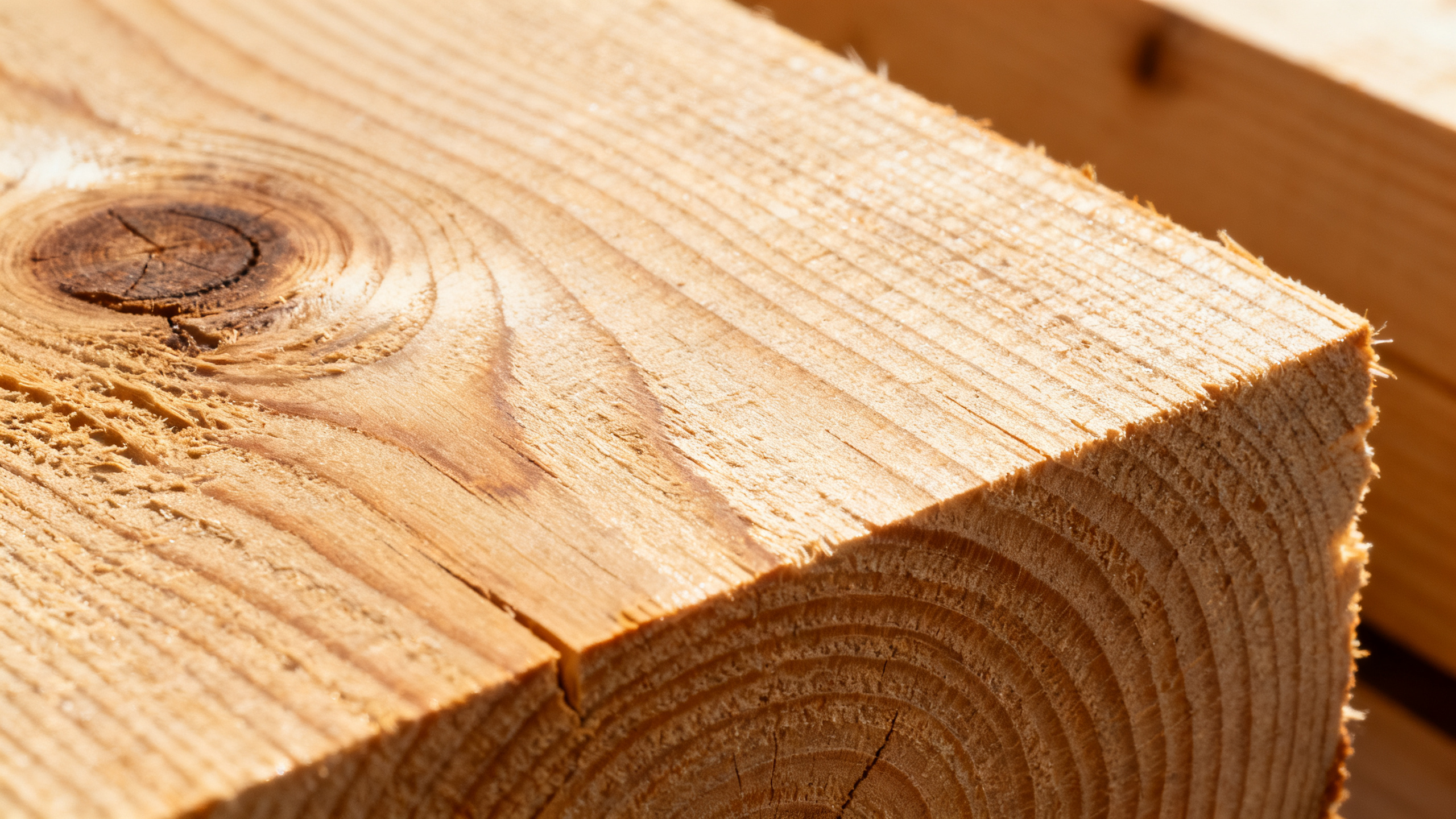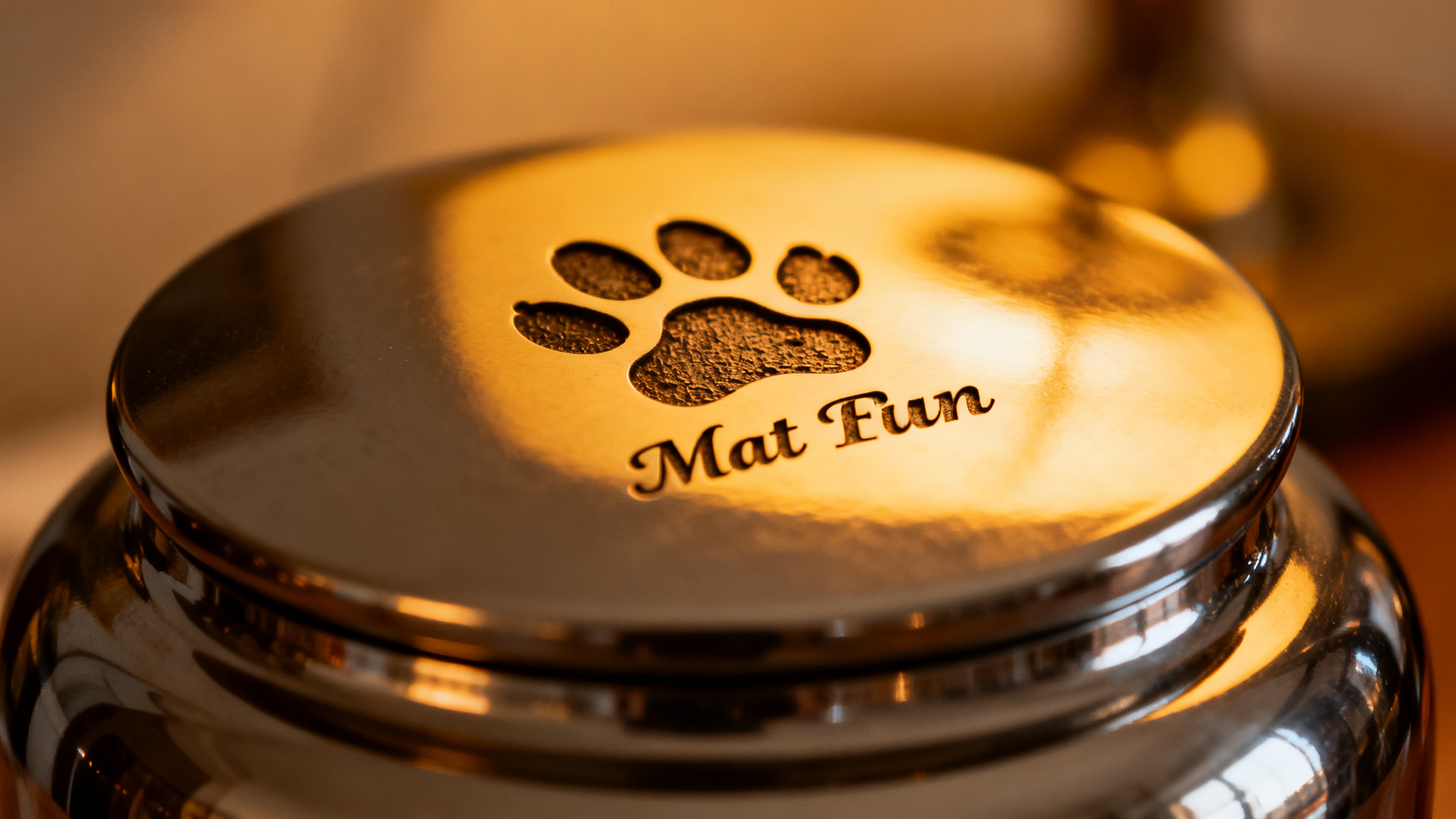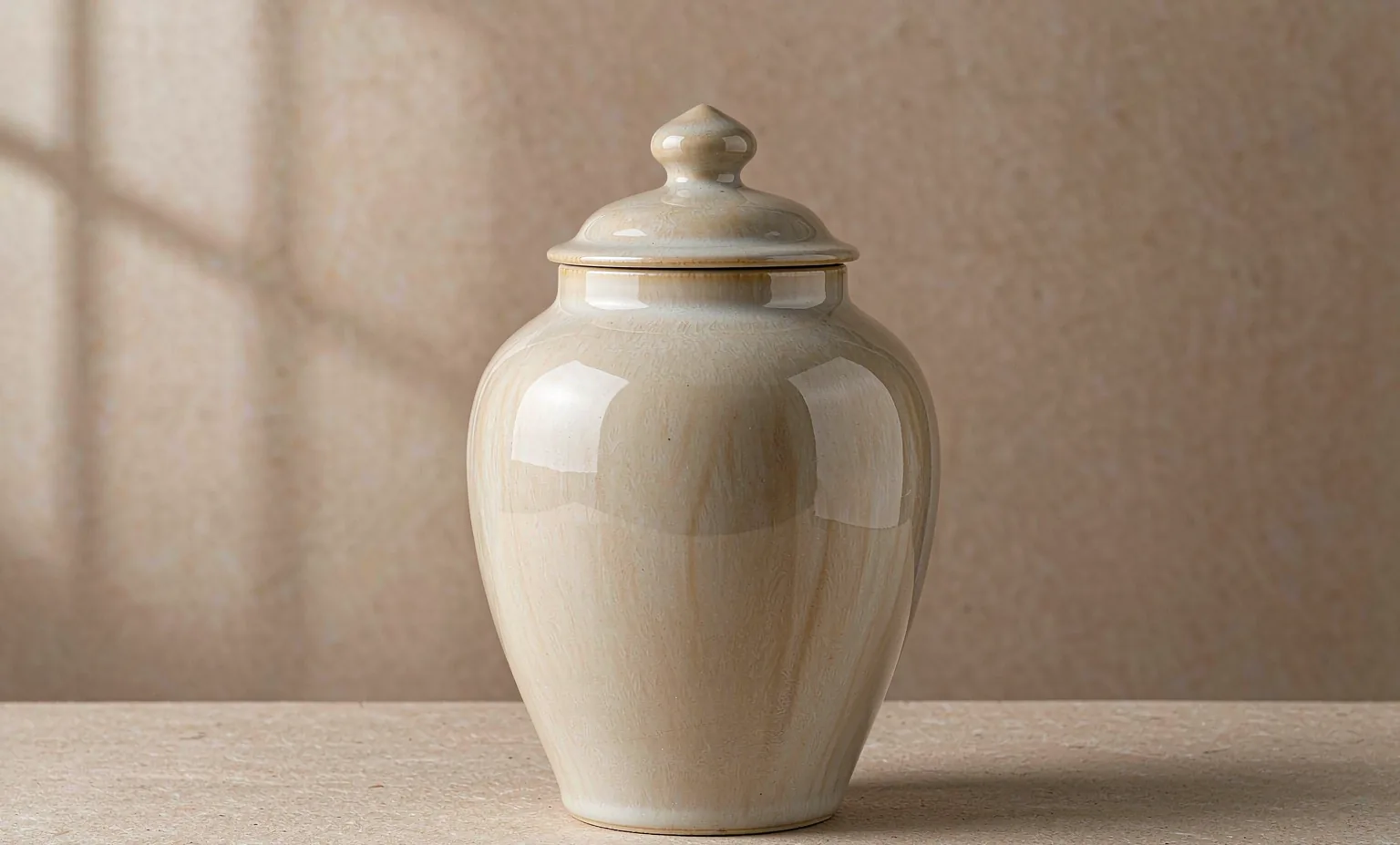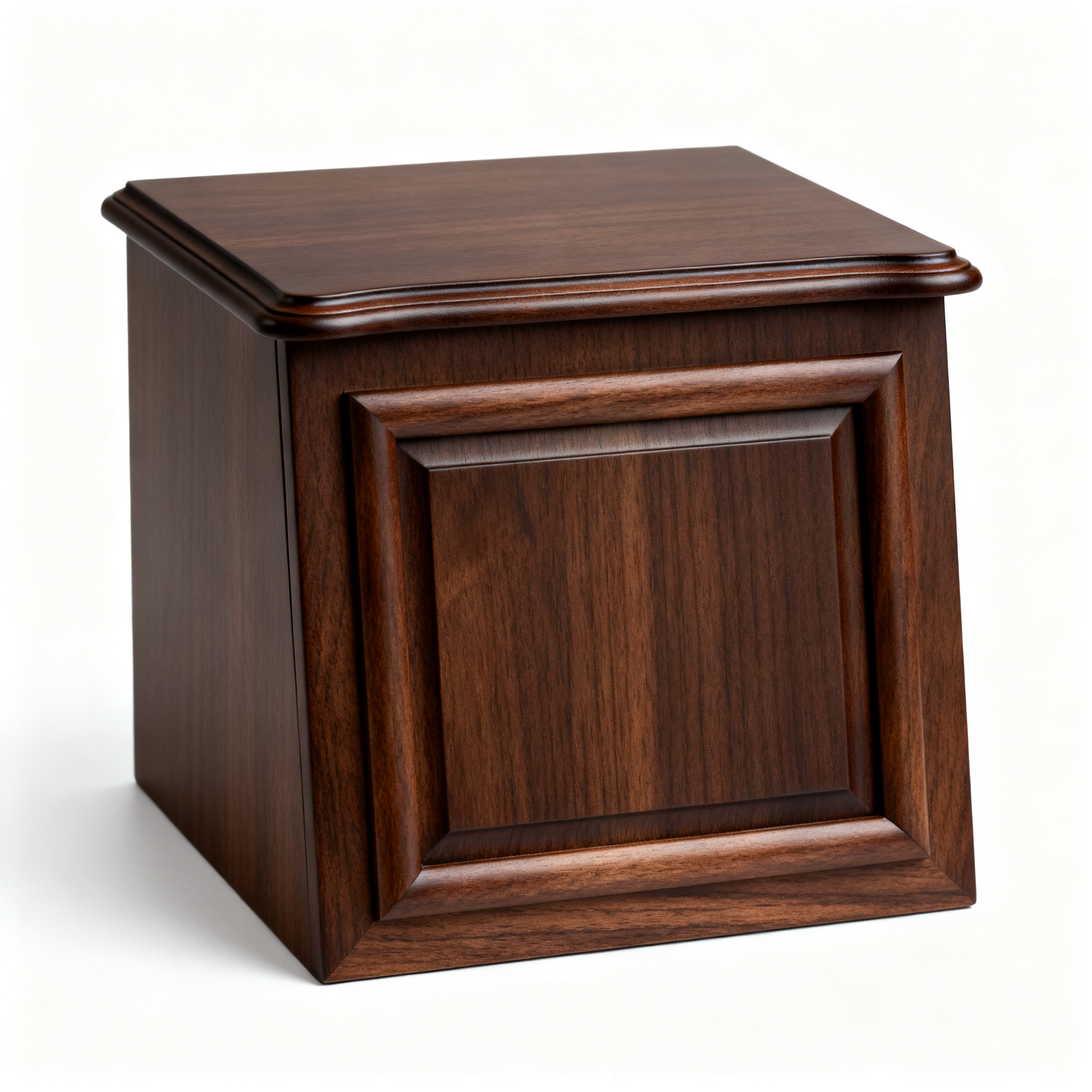
Cotton, linen, velvet and foam-backed linings compared by how they look and behave after several years in a wooden box.
A lining is the first thing a family sees when the lid opens and the last thing anyone thinks about when the order is placed. It is also the part most likely to look tired after a few years, because fabric ages differently from wood.
Why the Lining Matters
The lining sets the interior tone, hides the joinery, and gives the cremains bag something soft to sit against. It is a visual decision and a practical one at the same time. A lining that puckers, fades or crumbles turns an expensive box into a worn one, and the failure is invisible at the factory and obvious at home.
Cotton and Linen
Cotton and linen are stable, breathable and predictable. They do not yellow quickly, they tolerate a dry room, and a loose weave hides small irregularities in the interior. Their weakness is that they show marks: a water stain or a handling smudge stays visible, and they are not as soft against the hand as a pile fabric.
Velvet
Velvet gives the interior a depth that a flat weave cannot, and it reads as premium in a photograph. It is also the fabric most likely to show a pressure mark where the bag has rested, and a crushed pile does not recover. Colour fastness matters more on velvet than on cotton, because a dark dye on a pale wood can transfer at the edges over time.
Foam-Backed and Bonded Linings
A foam-backed lining looks full at first and is the first to fail: the foam layer can crumble at the edges after several years, and the bond to the wood can let go in a humid room. It is a reasonable choice for a short-lived retail display piece and a poor one for a box meant to be kept for decades.
Colour Transfer and Cleaning
Dark linings on pale wood are the combination that transfers. Where the lining is glued close to an unfinished edge, dye can migrate into the wood grain. Cleaning is the other issue: a fabric lining cannot be washed, and a damp cloth pressed into it leaves a mark. The practical answer is a dry brush or a vacuum on low suction, and nothing wet.
Lining and Capacity
A lining takes volume: a padded lining can remove a meaningful share of a small interior, which matters most on mini boxes. On a full-size urn the loss is smaller but still real, and it belongs in the usable-volume figure. A thin, flat lining over a stable substrate is the compromise that keeps capacity while finishing the interior.
What Ages Badly
Foam-backed fabric, bright synthetic dyes, glued edges under tension, and linings fitted over a rough interior that wears through the fabric from behind. Each of these produces a failure within a few years, and none of them is visible in a sample photograph. Asking what the backing is, rather than only what the face is, is the question that separates a lasting lining from a temporary one.
A Spec Line for Linings
Write the face fibre, the backing, the colour reference, the coverage area and whether the lining is glued or held mechanically. Add whether the lining is expected to survive ten years in a dry room, because that expectation changes the answer. On a repeat order, keep the same supplier for the fabric, since a mill change is a colour change.
See the interior options guide for linings, bags and dividers; the care guide covers how to clean an interior.