Two hardwoods, two price points, two shelf impressions. What actually differs between walnut and oak pet urns.
Walnut and oak are the two hardwoods in a premium pet urn range, and most buyers stock both without being able to say why. On a shelf the difference is immediate; in a specification sheet it is nearly invisible. These are the distinctions worth writing into a line sheet.
Colour and Temperature
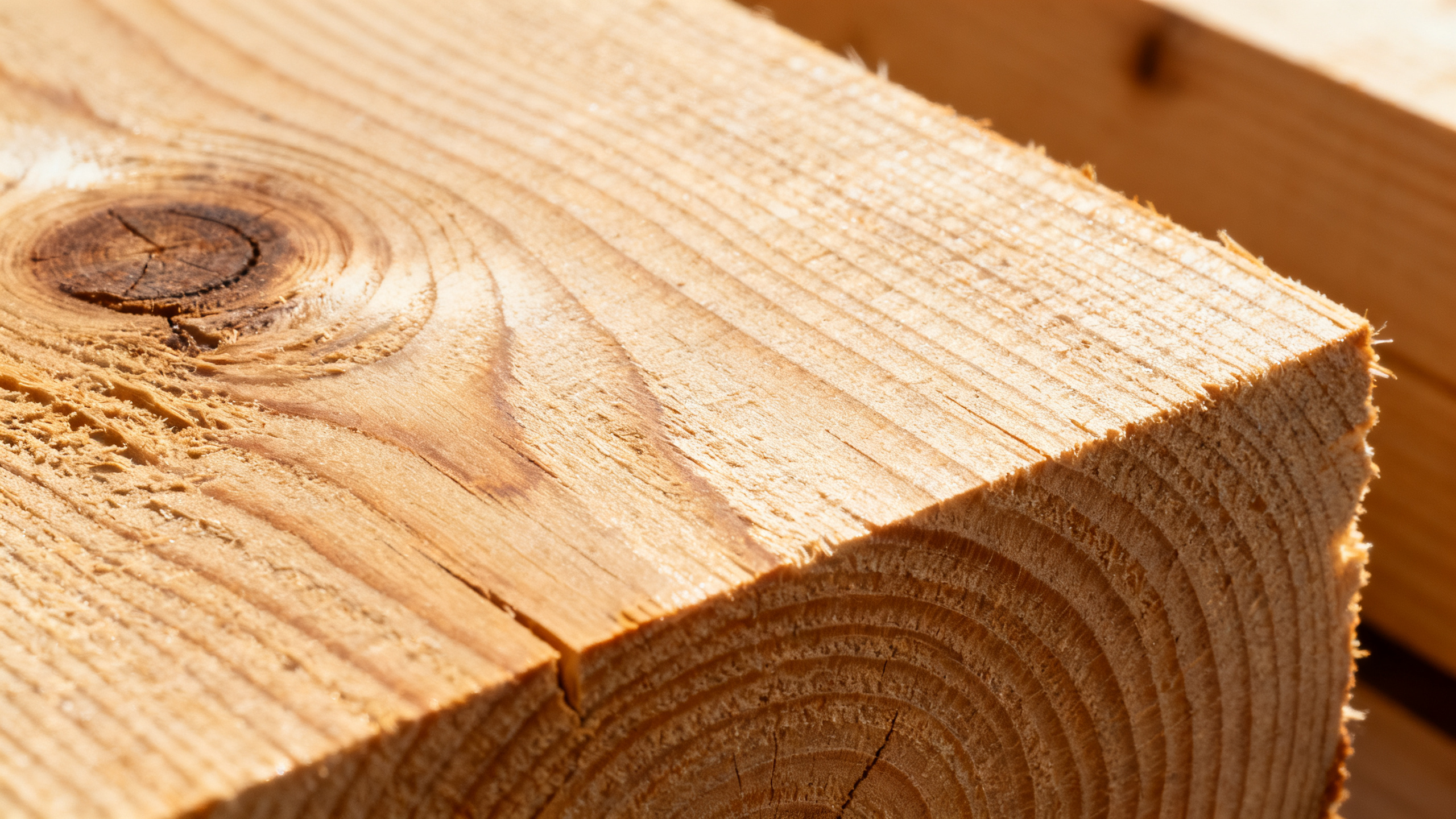
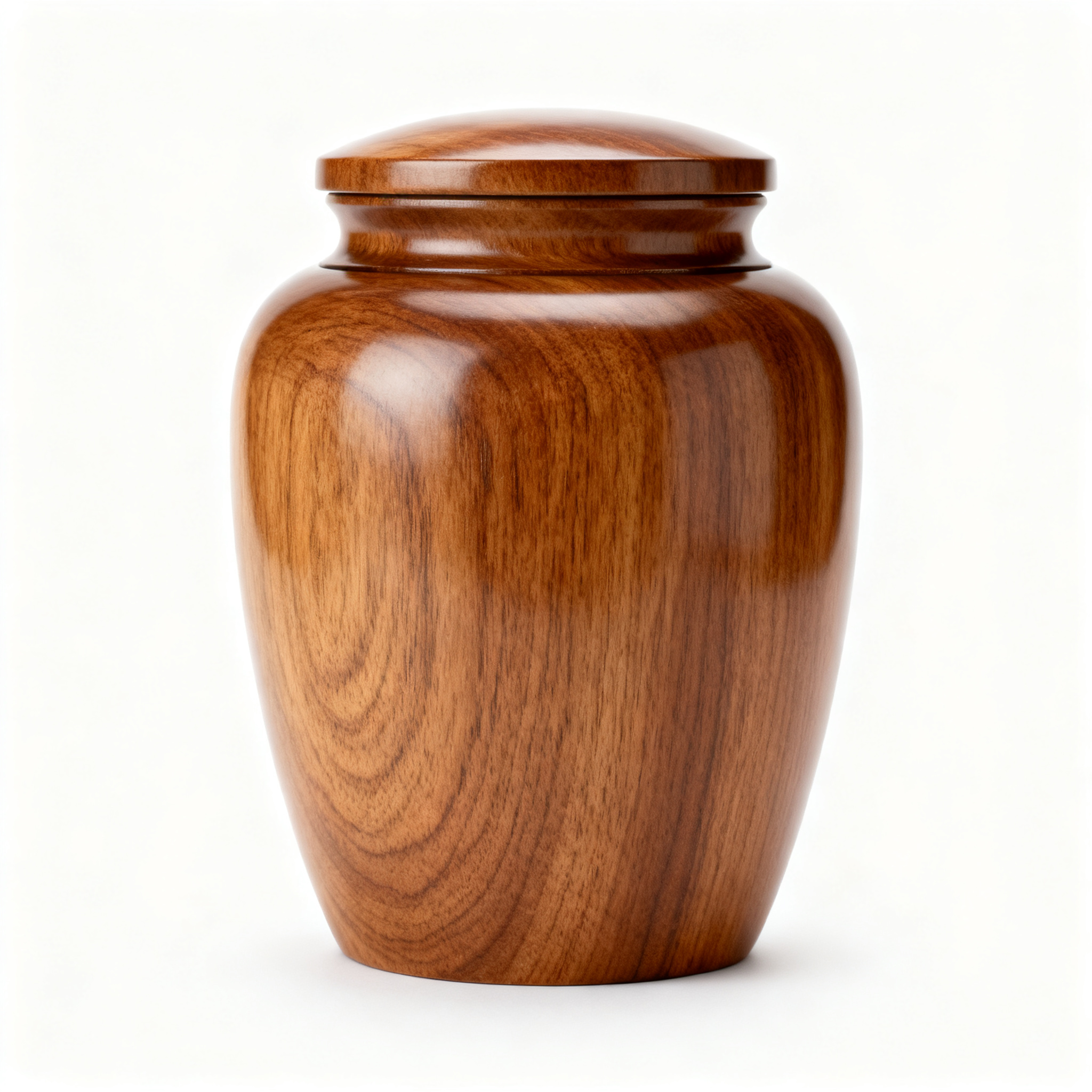
Walnut reads warm and dark, with grain that moves in soft waves and takes a deep tone under lacquer. Oak reads cooler and lighter, with a pronounced, almost graphic grain and a yellow-green cast that strengthens with a clear finish. Put them side by side and the walnut box looks older and the oak box looks newer.
Hardness and Handling
Oak is the harder of the two and resists dents and scratches better, which matters in a clinic where boxes are moved on and off a shelf. Walnut is softer, works more easily, and takes fine detail in relief work, but shows a knock sooner. A retail display that is handled constantly is kinder to oak.
How They Take a Finish
Walnut takes a matte lacquer beautifully because its grain is already busy; a high gloss turns it into a mirror and flattens the grain. Oak takes stain well and shows the difference between open and closed finishes more clearly, which makes it the better sample for a buyer explaining finish grades to a retailer.
Price Positioning
Walnut sits at the top of the range and oak just below it, and both sit well above pine. The gap is not only material cost: hardwoods need more care in sanding, and a defect on a dark surface is harder to hide than on a pale one. A buyer who wants three price tiers usually lands on pine, oak, walnut in that order.
Size and Weight
Both are heavy compared with pine, and the same interior volume costs more to ship. A walnut box of eight by five by ten inches weighs over a kilogram before packing, which is the point where air freight begins to look unreasonable and sea freight becomes the only sane route.
Frame Options
A photo frame in walnut looks deliberate; the dark lid holds the panel and the contrast works. In oak the frame can disappear into the grain unless the panel border is routed wider. That is a small design decision with a disproportionate effect on how the box reads at retail.
What to Stock
Two hardwoods is enough. A buyer with one premium tier should pick the one that matches their customers: walnut for memorial homes that sell warmth and tradition, oak for clinics and retailers that sell lightness and a modern shelf. Stocking both at full depth ties up capital for a distinction most walk-in buyers cannot articulate.
See the finished line for both sizes, or read the material comparison first.