The most common hold reasons — missing treatment marks, paperwork gaps, moisture and mismatched descriptions — and how to prevent them before sailing.
Most holds on wooden memorial shipments come down to a small number of recurring causes: treatment marks that are missing or unclear, paperwork that does not match the goods, moisture concerns, or descriptions that do not line up on the invoice. Each is preventable before the goods sail. This guide walks through the common hold reasons and the checks that reduce the chance of a delay at the border.
Missing or Unclear Treatment Marks
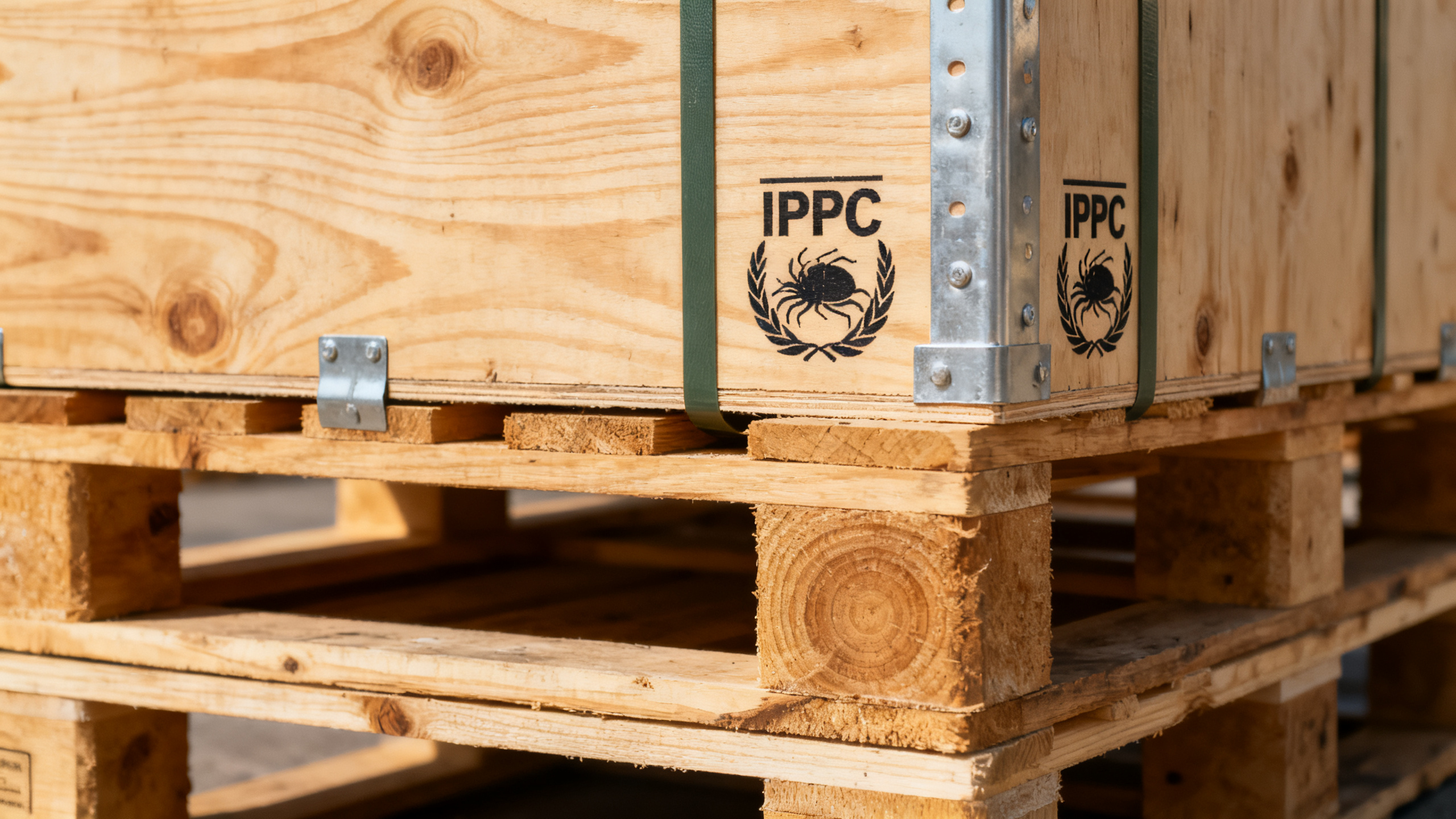
Solid wood packaging — pallets, crates and dunnage — must carry the ISPM 15 mark showing the country code, facility number and HT heat-treatment code. A mark that is faded, incomplete or applied to the wrong component can trigger inspection even when the wood was treated. The treatment record should be on file to back the mark up if the border asks.
Paperwork Gaps and Mismatched Descriptions
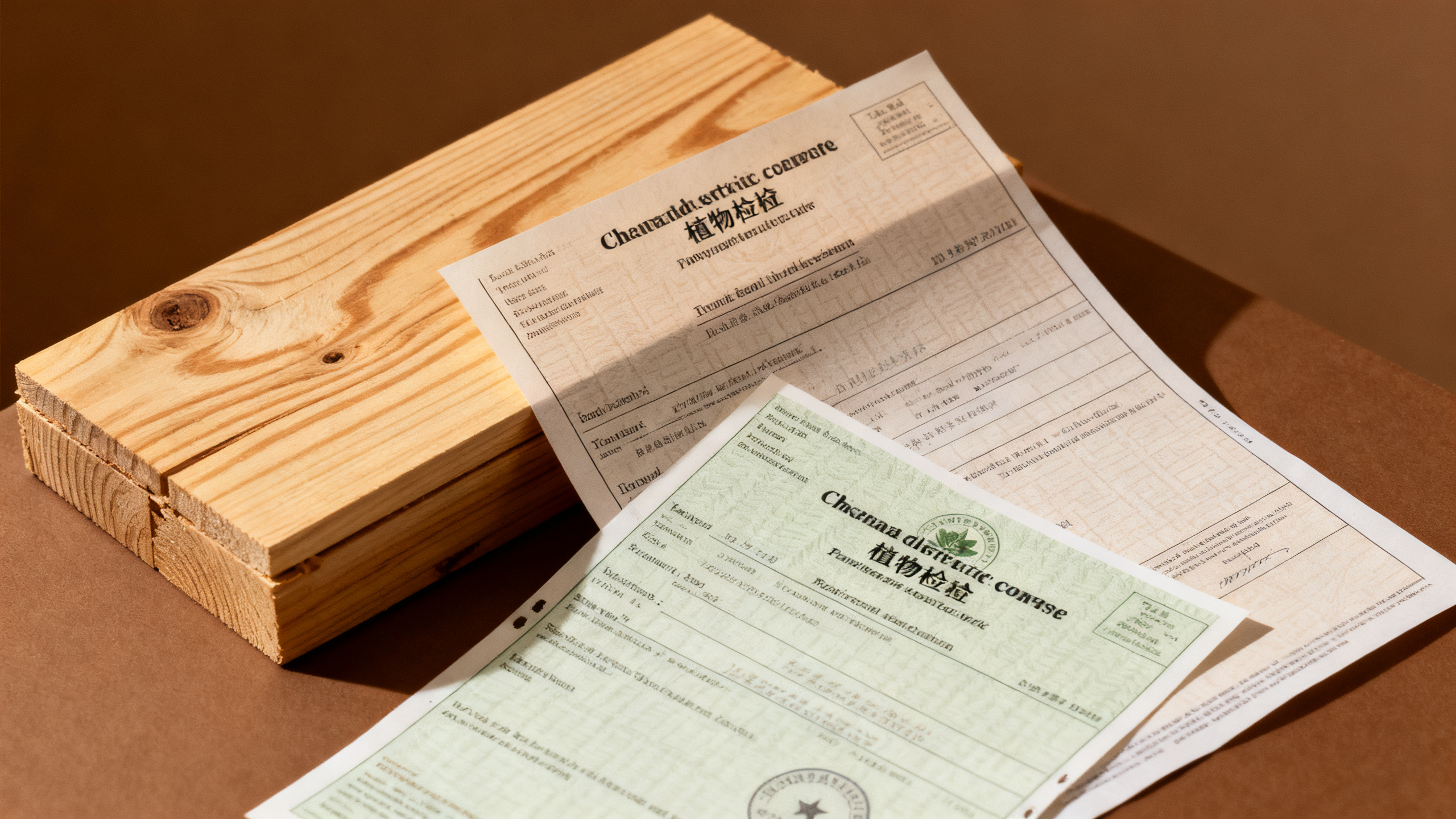
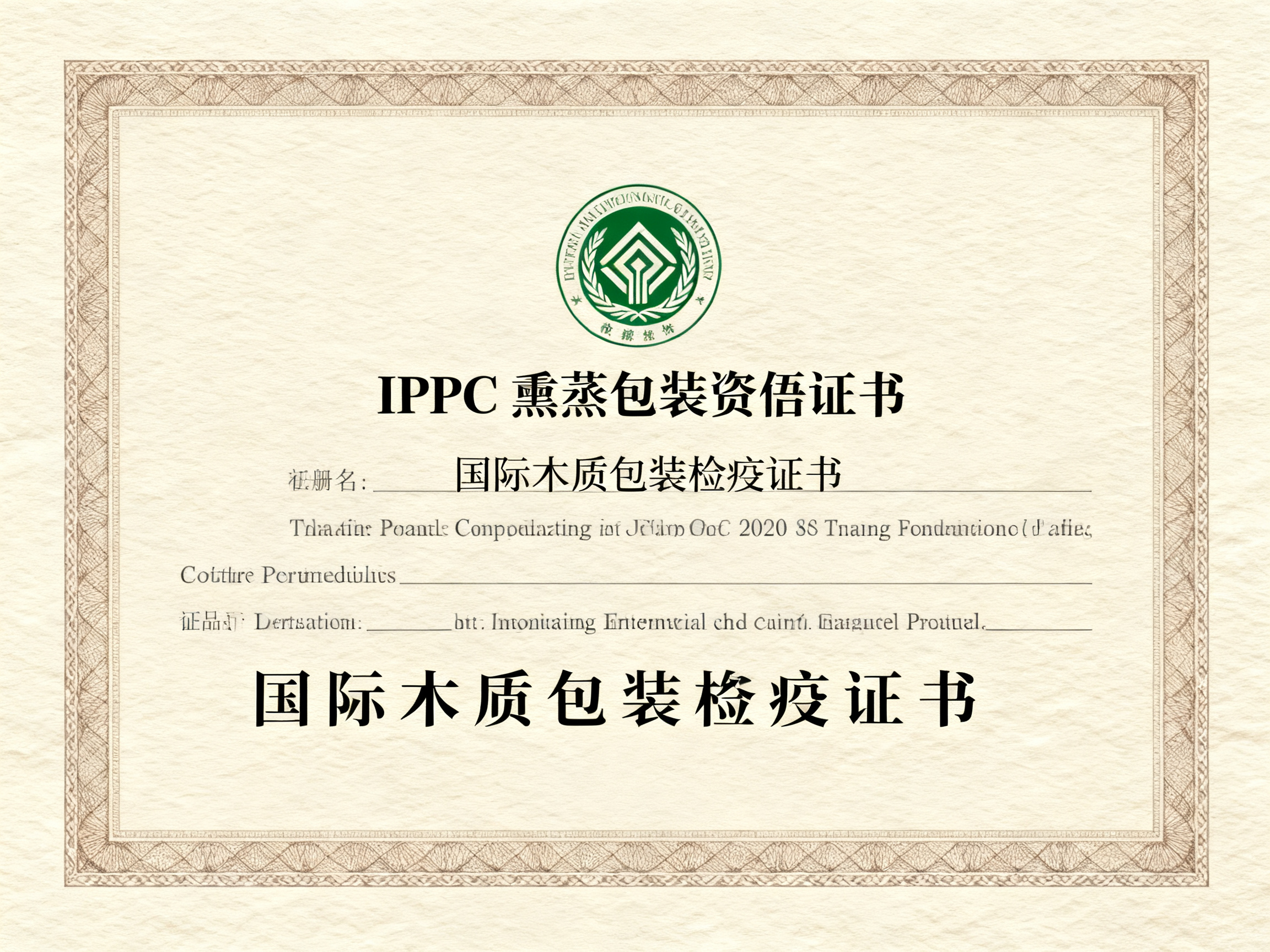
A hold often follows a document gap rather than a damaged product. The phytosanitary certificate, commercial invoice and packing list should describe the same material, quantity and item mix. Names that differ between papers — for example, an "urn" on one document and a generic "wooden box" on another — can raise questions that take extra correspondence to clear.
Moisture and Pest Concerns
Wood that arrives at a high moisture level, or that carries bark or visible insect signs, can be held for closer inspection. Kiln drying to a controlled moisture range before packing reduces this risk, and foam-and-carton packaging keeps the goods dry during the sea journey. If a consignment is held, the supplier sends the certificate, treatment record, photos and any replacement document promptly so the query can be answered without waiting for a new shipment.
Value and Description Mismatches on the Invoice
The invoice should state the real commercial value and an accurate material description. Undeclared complementary items, vague material labels, or a value that does not match the order can delay release. Listing ceramic or metal pieces separately from wood lines keeps the material description clear for the border review.
Preventing a Hold Before Departure
The safest sequence is to settle the document set before departure: confirm the treatment mark, match descriptions across invoice and certificate, check moisture and packing, and send scanned papers ahead of the vessel. For DDP shipments the import declaration and duty are handled on the supplier side, and the entry summary follows after arrival.
Read the compliance pages for US APHIS, Canada CFIA and EU rules; the shipping guide covers packaging and pallet setup, and the importing FAQ lists the full document set.