Plain grain and cathedral grain, how a board is cut, and why two urns in one finish can look like different woods.
Two urns in the same species, the same stain and the same finish can still look like different woods, and the reason is usually grain rather than colour. Grain direction decides how the surface reads in light, how the finish sits, and whether a panel looks calm or busy. This guide explains the variables a buyer can actually specify.
Why the Same Species Looks Different
Species fixes the colour range and the hardness, not the appearance of a single board. Within one species, the growth rate, the position of the board inside the log and the way the log was sawn all change what the surface shows. A fast-grown tree gives wider growth rings and stronger contrast; a slow-grown one gives a tighter, quieter surface. Both are the same species, and both meet the same specification.
How a Board Is Cut
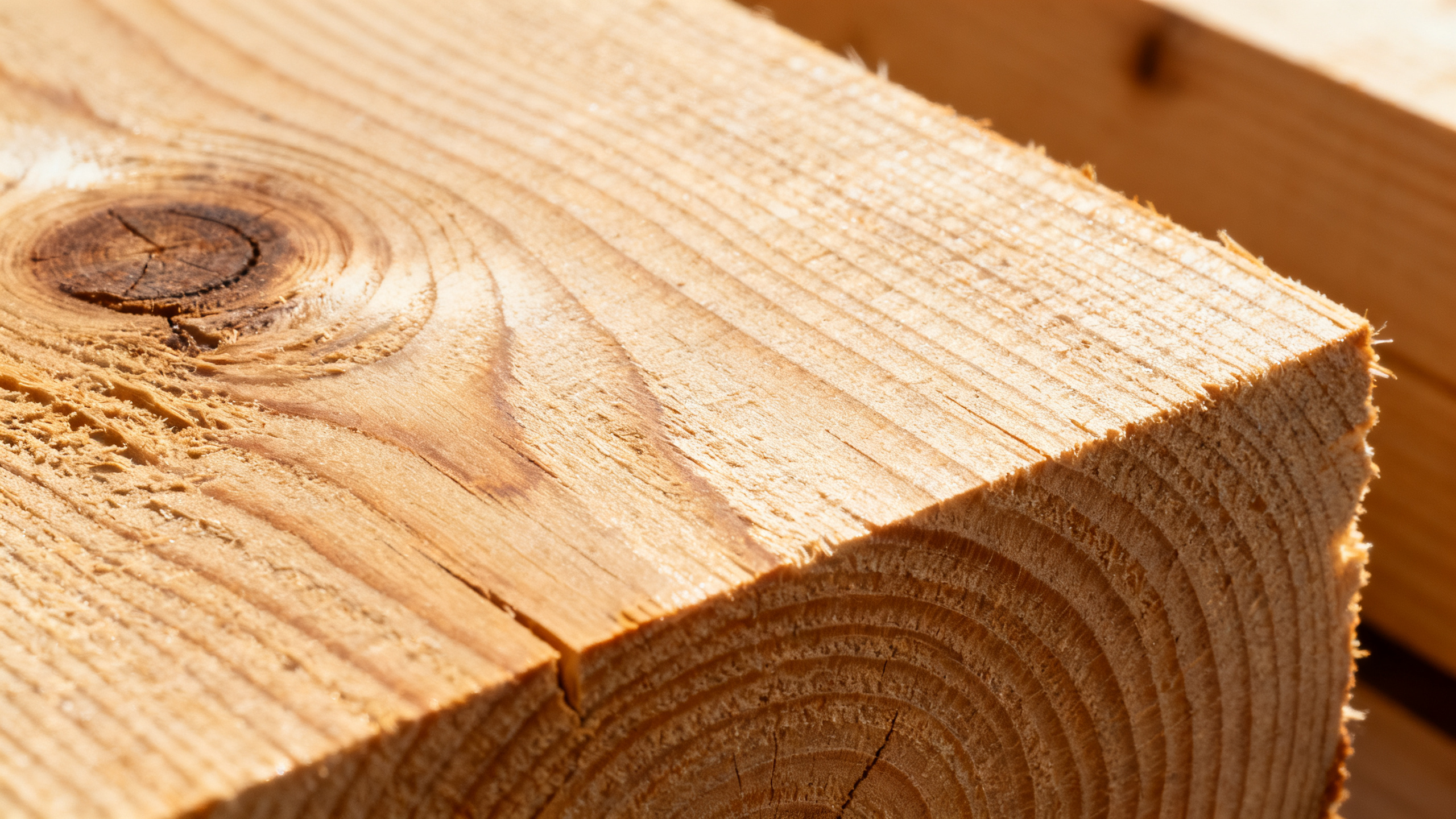
Sawing a log has two broad outcomes. Cutting along the length through the centre produces boards where the grain runs roughly parallel to the face, giving straight lines. Cutting across the log's rings exposes the curved figure that reads as arches or a cathedral pattern. Neither is better; they are different views of the same tree, and the choice is about the look the product should have.
Plain Grain Versus Cathedral Grain
Plain or straight grain reads as calm and consistent, and it is what most buyers expect when they order a memorial box for a retail shelf. Cathedral grain reads as warmer and more individual, and it shows more variation from unit to unit. A line that mixes both without saying so produces the most common complaint in the category: some units look like the photo and some do not.
Matching Panels Within One Box
A single box has a front, a lid and often a base, and those three faces can carry very different grain. Matching them means selecting the boards for one box together rather than pulling from separate stacks. Where a lid shows a strong cathedral pattern and the front is straight, the box reads as two products assembled, which is a selection problem rather than a material one.
Grain and the Finish
Stain follows the grain and moves into the pores, so a strong figure takes more colour in some bands than others. Paint covers the figure and flattens everything, which is why a painted line is visually more repeatable. Oil and clear lacquer keep the figure visible and let the light do the work. The finish choice therefore decides how much grain variation the customer will see.
What a Buyer Can Specify
A buyer can specify species, a grain expectation in words, and whether mixed grain is acceptable. Words like straight grain or consistent figure are legitimate specifications; a photograph is a sample of one unit, not a specification. Where a range must look uniform on a shelf, the useful answer is plain grain or paint rather than a promise of an exact match.
Where Grain Direction Causes Trouble
Grain direction also affects how the wood moves and how it machines. A panel cut so that the grain runs across the short dimension behaves differently from one cut lengthwise, and it can cup or move more with humidity changes. In practice, the visible grain and the structural direction should be decided together, because a face chosen purely for appearance can be the panel that moves.
A Practical Spec Line
A workable line for an order is: species as specified, straight grain on the display faces where the line must look uniform, mixed grain accepted elsewhere, finish as approved, and a reference sample held as the visual target. That converts a subjective judgement into something a factory can select against and a buyer can check on arrival.
See the pine specification for how grain and moisture are specified together; the finish guide explains how stain, paint and lacquer interact with figure.