A wooden memorial box is built to be kept, a plant-fibre urn to return to the ground — and the listing has to say which is which.
Two products sit side by side in many catalogues and do opposite jobs: a wooden pet memorial box is made to be displayed for years, and a plant-fibre urn is made to break down in the ground. Confusing them is the fastest way to disappoint a family at the worst moment.
Two Different Jobs
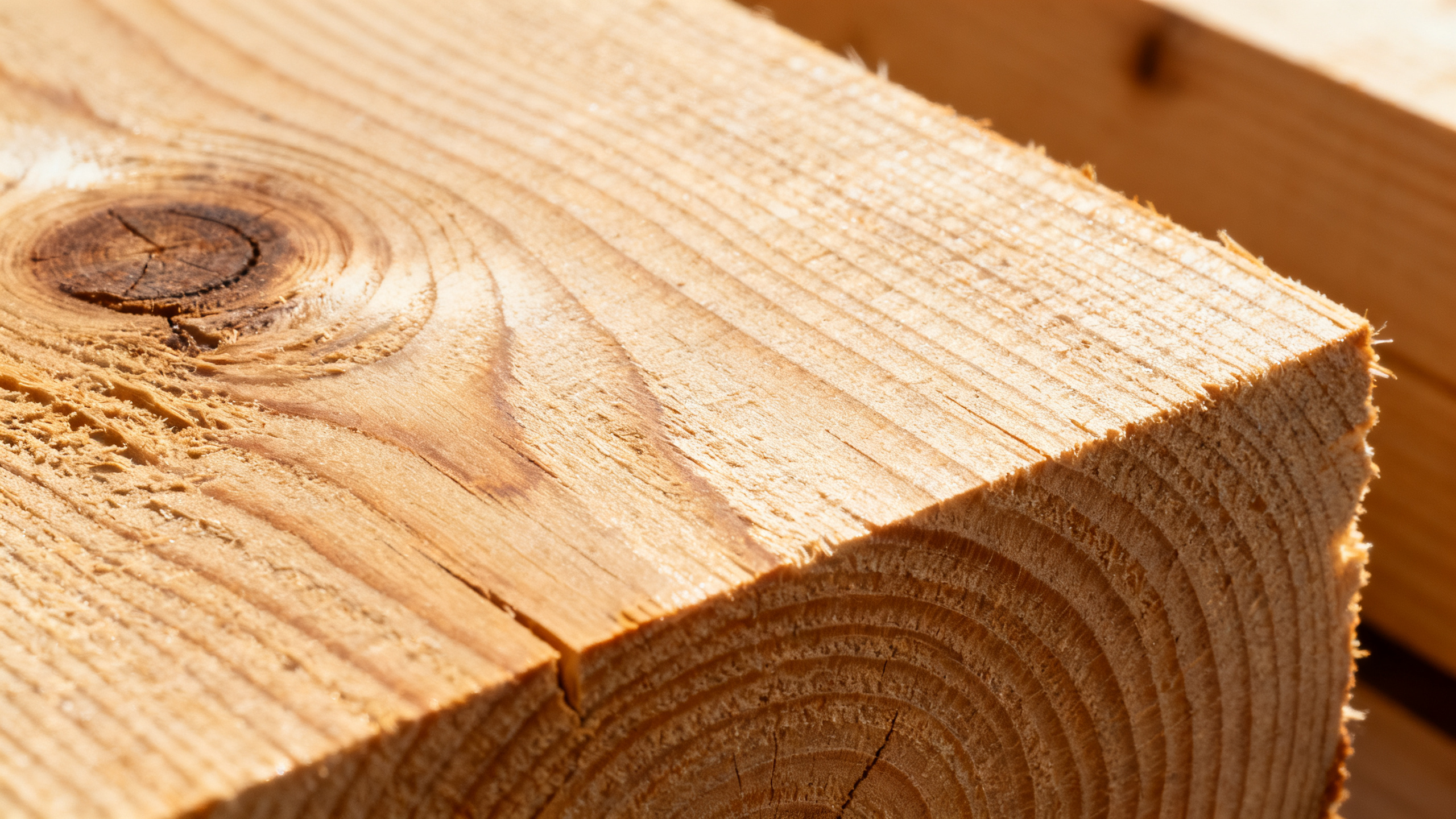
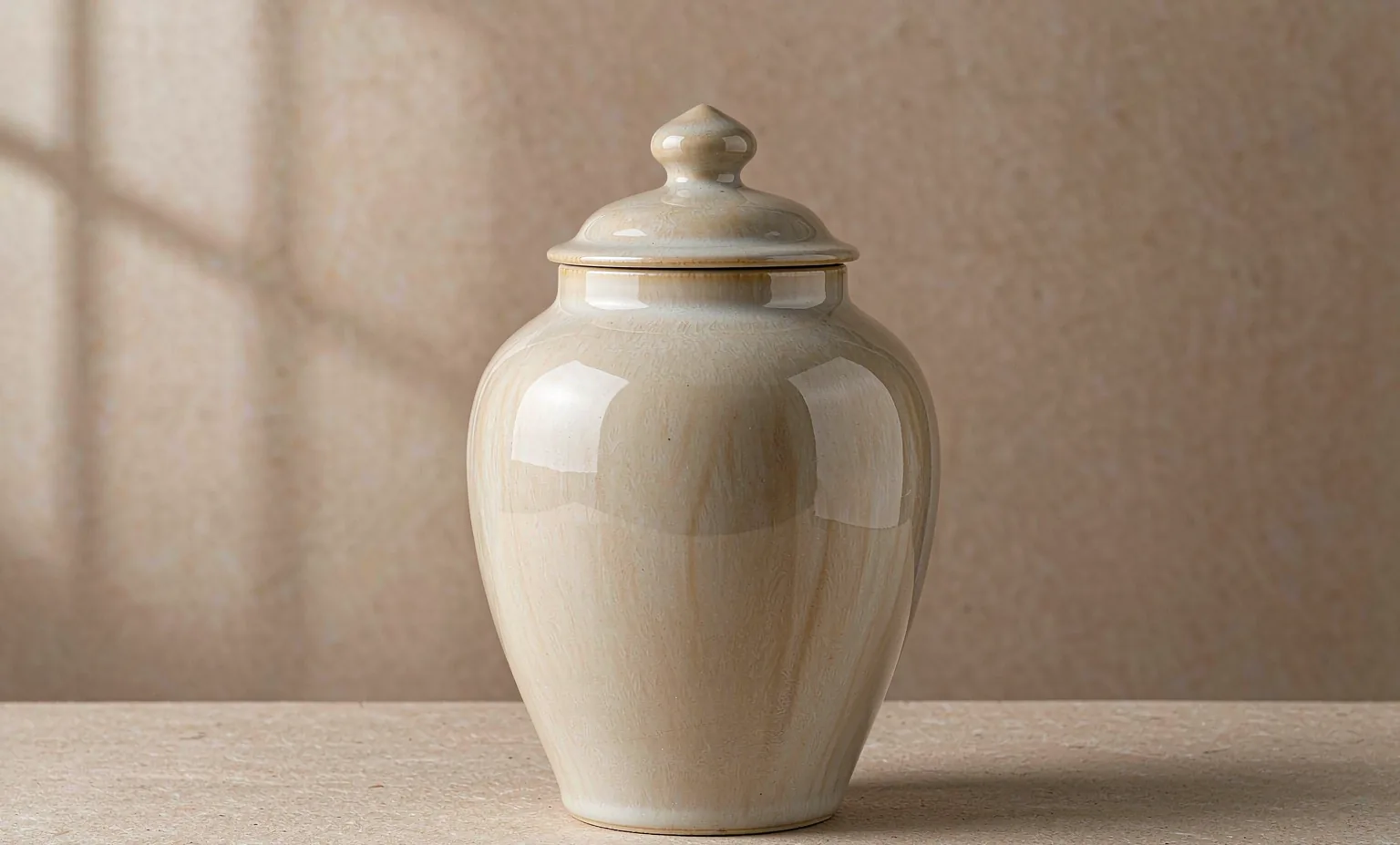
A wooden box is a container for keeping. Its value is that it holds its shape, takes an engraving, and can be moved from a mantel to a shelf to a new home. A plant-fibre urn is a container for returning: it is designed to be placed in the ground or in water and to decompose. Neither is a better product; they answer different intentions, and the buyer's intention is usually stated in one sentence.
What a Wooden Box Does Well
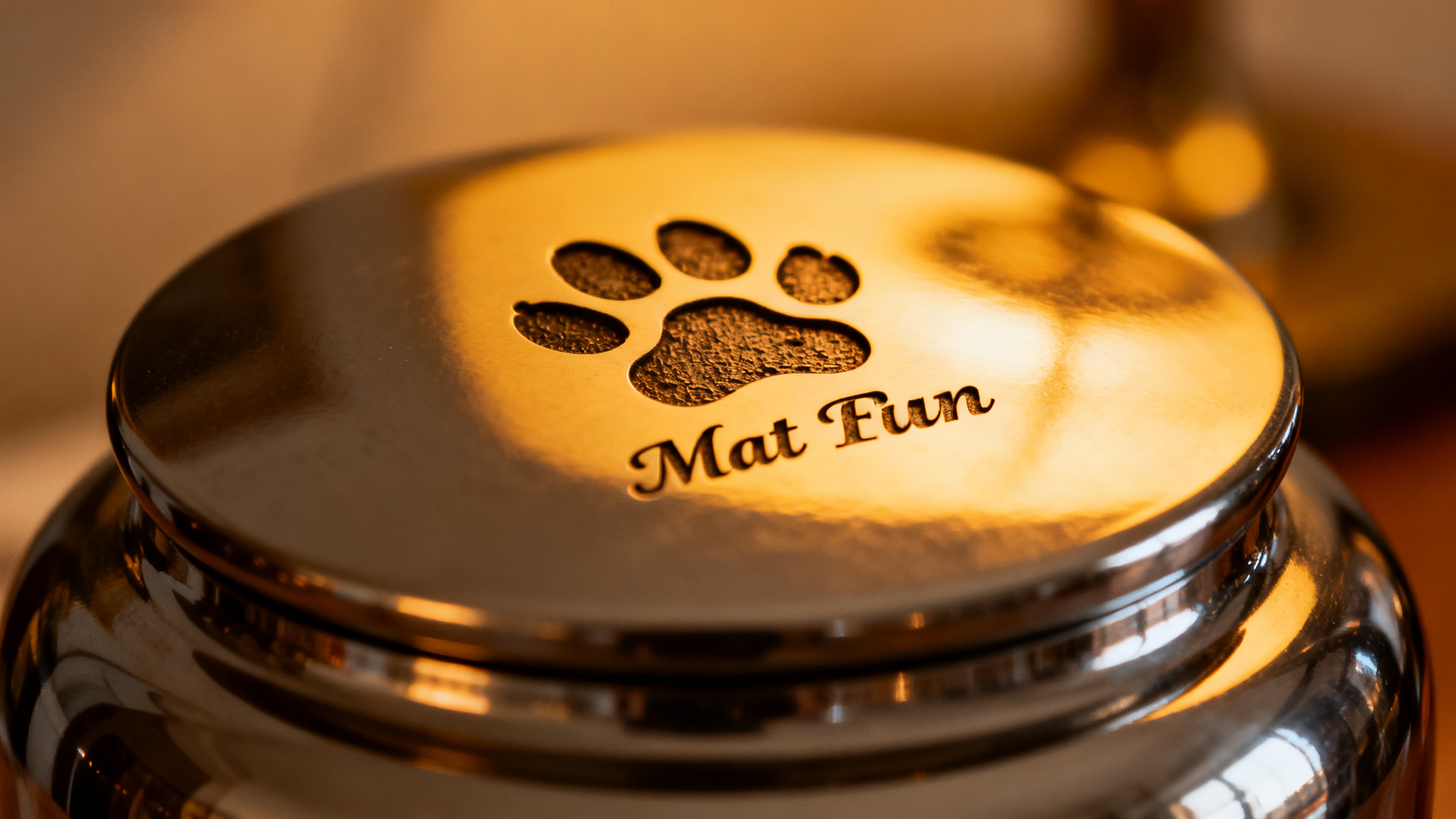
Wood holds a finish, accepts a name carved into it, and survives handling. A sealed interior with a bag keeps the cremains contained, and the box can be reopened for a keepsake split under supervision. That combination is why wood dominates the keepsake and display category, and why it is the wrong choice for a family planning an interment.
What a Plant-Fibre Urn Is For
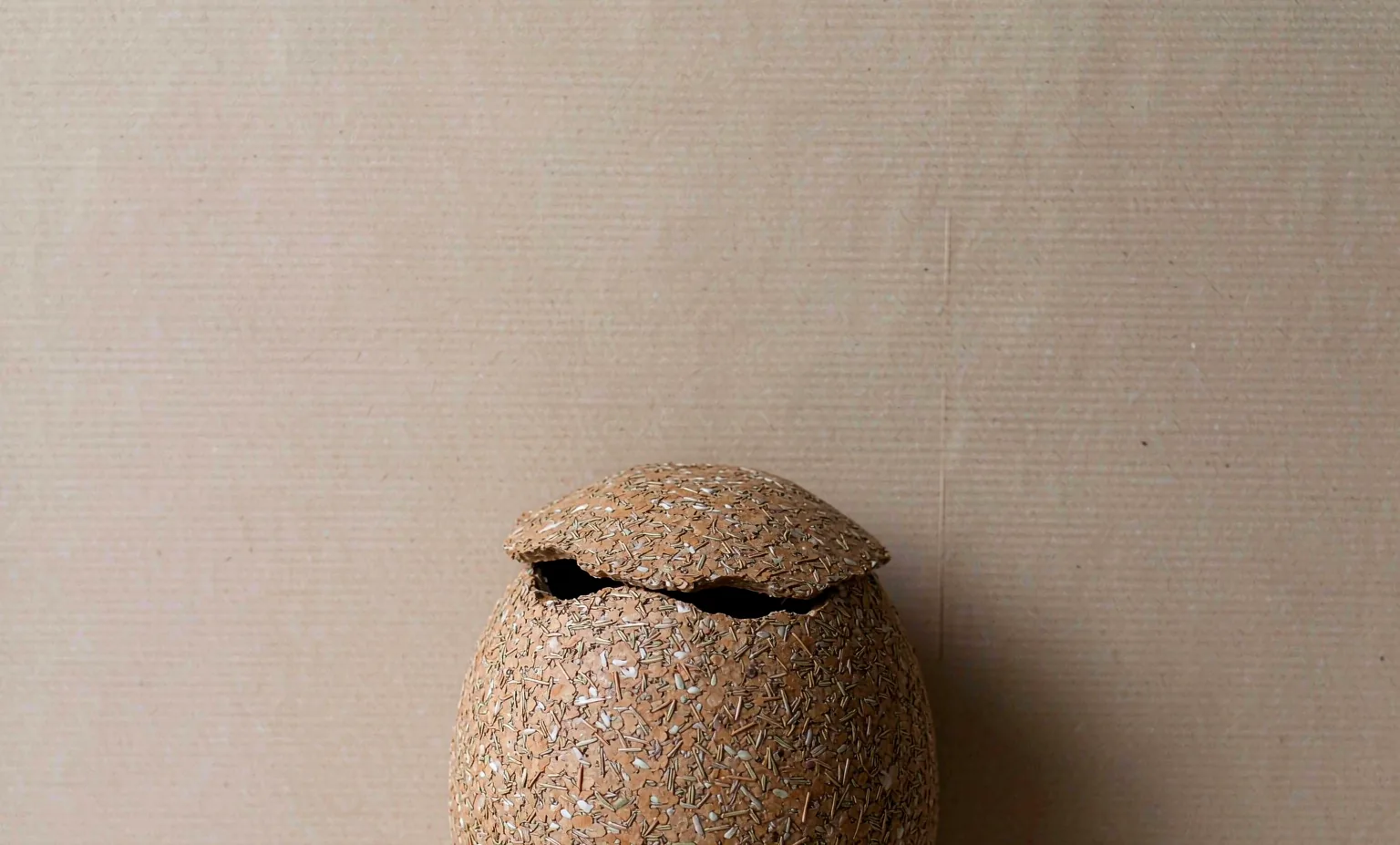
A plant-fibre urn is moulded from natural fibre and designed to degrade. It is lighter, it does not need to hold an edge, and it is intended to be buried or placed in water according to local rules. Because it decomposes, it should be stored dry before use and handled gently, and it should not be expected to survive years of display.
Why Wood Is Not a Burial Product by Default
A finished wooden box with a lacquer film, a lining and hardware is not designed to be interred. The finish slows decomposition, the hardware does not belong in the ground, and the box is built to be airtight rather than to admit soil. Some products are made for interment and are described as such; a standard memorial box is not one of them, and a listing that implies otherwise creates a problem the retailer cannot solve later.
Soil, Climate and Local Rules
Where a family intends to bury, the practical questions are the soil, the depth and the local rules. Clay holds water, sandy soil drains, and a pet burial ground or municipality may have its own requirements about containers. These are questions for the family and the ground, not for the supplier, and a retailer who asks them before selling avoids a return that cannot be remedied.
The Mixed Decision: Keep and Bury
Some families want both: a portion kept in a wooden box and a portion interred in a plant-fibre urn. That is a normal request in this category, and it is the reason a range that carries both products is more useful than one that argues for either. A keepsake split into a mini box covers the same intention at a smaller scale.
Product Mix for a Reseller
A reseller's mix usually needs a wooden line for display and keepsake, a plant-fibre line for interment, and a mini line for splits. The three do not compete; they cover the three decisions a family makes. Carrying only wood pushes burial enquiries away, and carrying only fibre loses the display customer who is the larger market.
A Decision Line for Listings
Each listing should answer one question in its first line: this box is for keeping, or this urn is for returning to the ground. Adding a short note on what each product is not suited to prevents the mismatch, and it is more useful than a paragraph about craftsmanship. Where a product is dual-purpose, say so explicitly rather than leaving the buyer to infer it.
See the biodegradable range for the plant-fibre products; the materials comparison covers how the two behave.