Why moisture content matters and how kiln drying ensures quality pet memorial products.
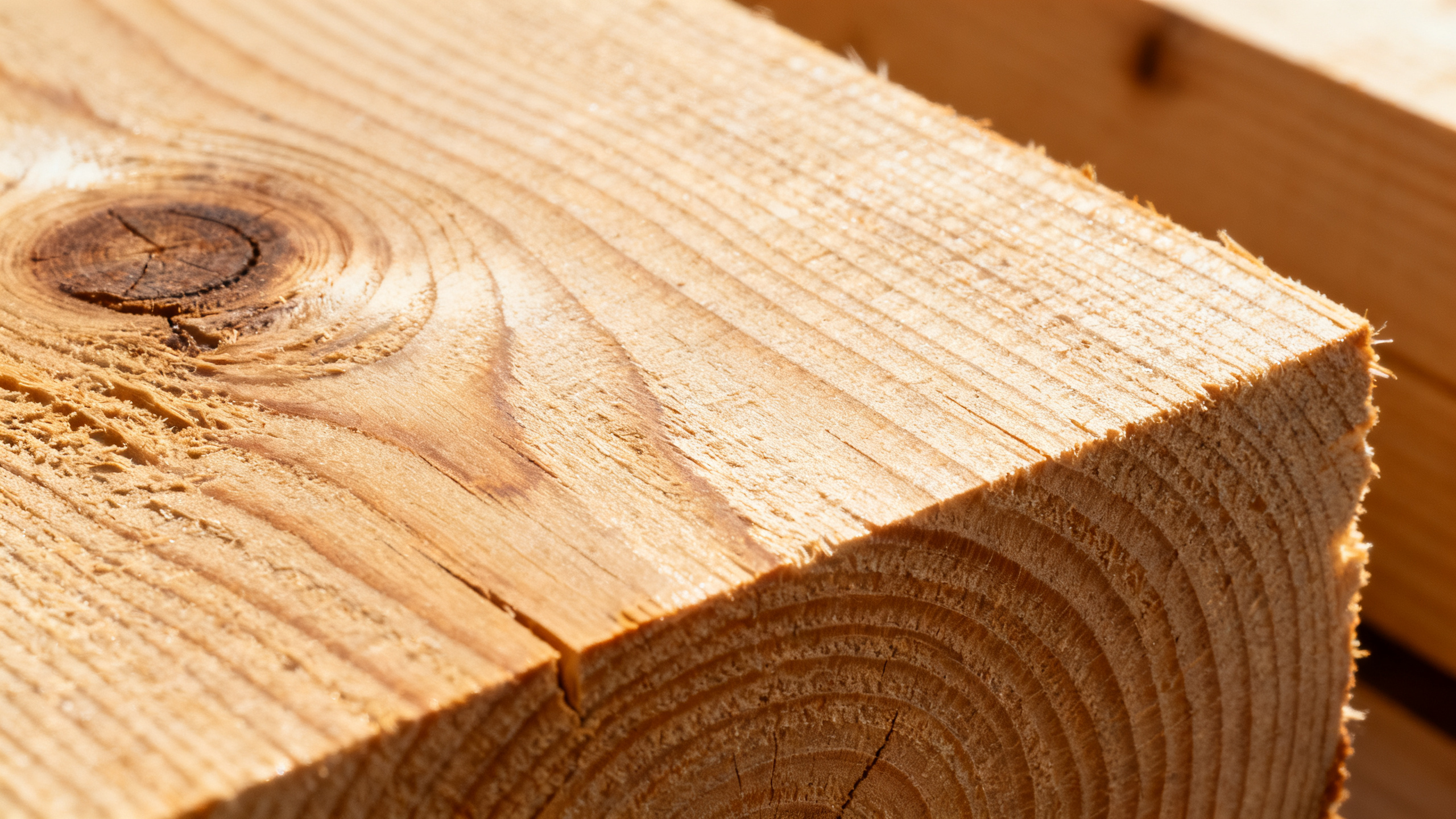
When sourcing wooden pet urns, one of the most important quality differentiators is whether the wood has been properly kiln-dried. Kiln-dried pine with a controlled moisture content of 8%–12% is widely regarded as the gold standard for pet urn manufacturing, and for good reason. Properly dried wood delivers superior dimensional stability, resistance to warping and cracking, and a surface that accepts paint, stain, and engraving with far better results than air-dried or green wood. This article explains the kiln drying process, why moisture content matters, and how wholesale buyers can identify quality kiln-dried products from their suppliers. The kiln drying process involves placing freshly milled lumber in a temperature- and humidity-controlled chamber where air circulation, heat, and moisture levels are carefully managed over a period of several days to several weeks. The goal is to reduce the wood's moisture content from its green state — typically 25%–40% for freshly cut pine — down to a target range suitable for the product's intended use. For pet urns that will be shipped internationally and used indoors, a moisture content of 8%–12% is ideal: low enough to prevent mold and warping, but not so low that the wood becomes brittle. Moisture content directly affects product quality in several ways. First, wood that is too wet will continue to lose moisture after manufacturing, causing shrinkage, warping, and cracking as it acclimates to the ambient environment. This is a particular problem for ocean freight, where temperature and humidity fluctuations inside a shipping container can accelerate moisture movement. Urns made from under-dried wood may arrive at the buyer's warehouse with visible cracks, warped lids, or joints that have separated. Second, high moisture content promotes mold and mildew growth, especially during the warm, humid conditions inside a container crossing the Pacific. Third, wet wood does not accept finishes well — paint may not adhere properly, stain may look blotchy, and laser engraving may produce inconsistent results. For Amazon sellers and private-label buyers, the cost of poor drying is especially high. A single customer complaint about a cracked or warped urn can damage a listing's rating and reduce sales velocity. Many of our buyers tell us that switching to properly kiln-dried pine reduced their product defect rate and negative review rate by 60% or more. The upfront cost of kiln-dried material is slightly higher, but the savings in returns, replacements, and reputational damage more than offset the difference. So how can buyers verify that their supplier is using properly kiln-dried wood? The most reliable method is to request a moisture content report for each shipment. Reputable factories use moisture meters to test every batch and provide the readings as part of their quality documentation. Buyers can also ask to audit the factory's kiln operation — a legitimate manufacturer will be transparent about their drying protocols and allow inspections. At our Cao County facility, we operate our own kiln drying chamber and test every batch before it enters production, providing moisture content reports on request. Another important consideration is the difference between kiln-dried and air-dried wood. Air-dried wood is simply left to dry naturally under cover, which can take months and rarely achieves a consistent moisture content below 12%. Air-dried wood may also contain more surface checks and color variation. Kiln drying, by contrast, produces uniform, predictable results and is the only method that can reliably achieve the 8%–12% range required for high-quality pet urns. For DIY and craft market buyers, the benefits of kiln-dried pine are equally important. A properly dried, 220-grit sanded surface accepts acrylic paint, wood stain, wood burning, and decoupage with excellent adhesion and uniform appearance. Crafters working with under-dried wood often encounter paint bubbling, stain blotching, and wood movement that ruins their finished pieces. Kiln-dried pine eliminates these issues, making it the preferred material for unfinished wood retailers and DIY craft studios. In conclusion, kiln-dried pine at 8%–12% moisture content is the foundation of a high-quality pet urn. For wholesale buyers, insisting on kiln-dried material — and verifying it through moisture content reports — is one of the most impactful quality decisions you can make. The difference in cost is marginal, but the difference in product quality, customer satisfaction, and long-term brand reputation is substantial.
Key Takeaways
- ✓Growing demand for eco-friendly and personalized pet memorial products in North America.
- ✓Full export compliance documentation is essential for smooth customs clearance.
- ✓Kiln-dried pine with 8-12% moisture ensures quality and reduces returns for Amazon sellers.
- ✓Partnering with a certified Cao County factory streamlines your supply chain and reduces risk.