A complete guide to USDA and CFIA wood import requirements for pet urn wholesalers.
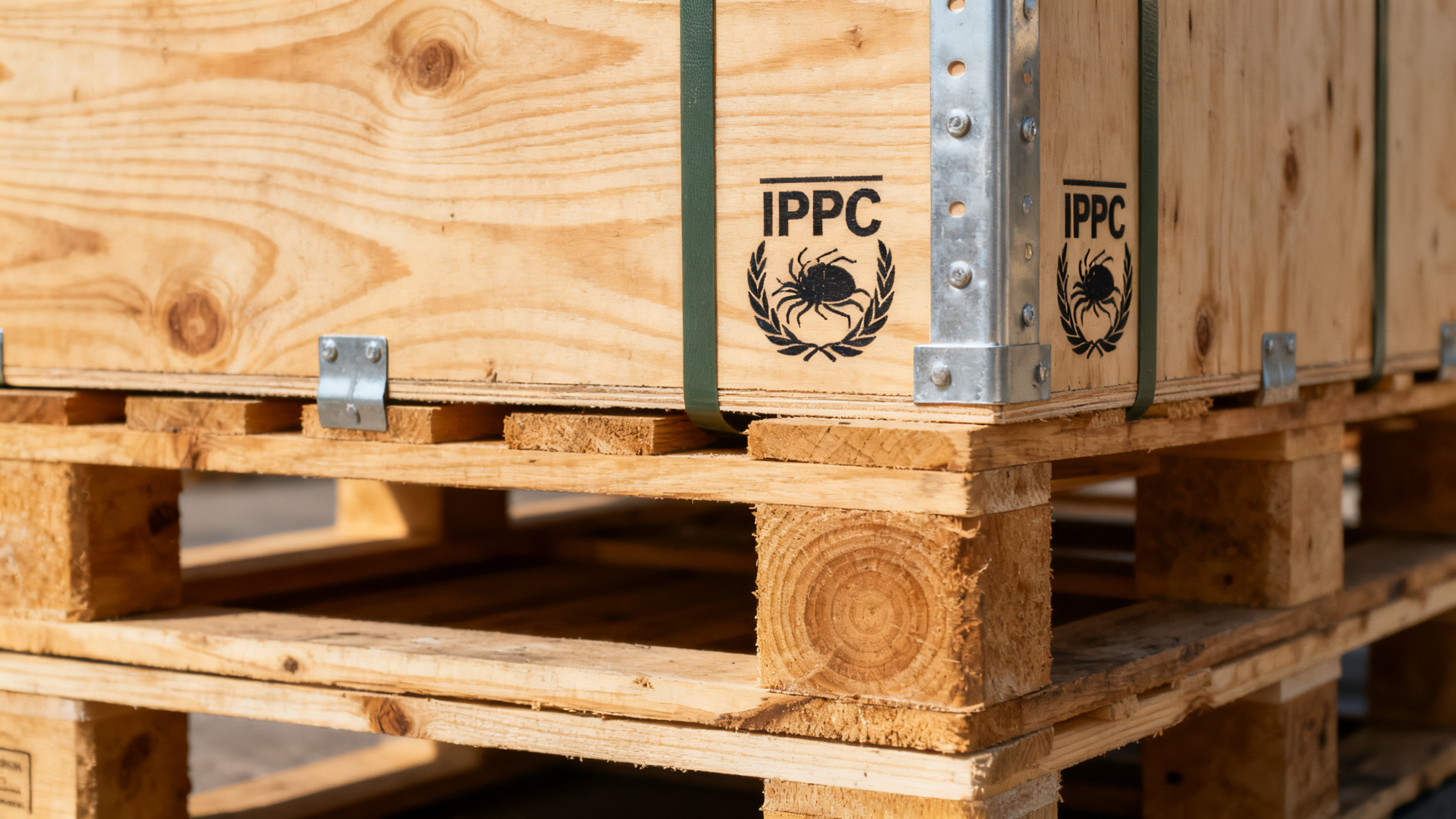
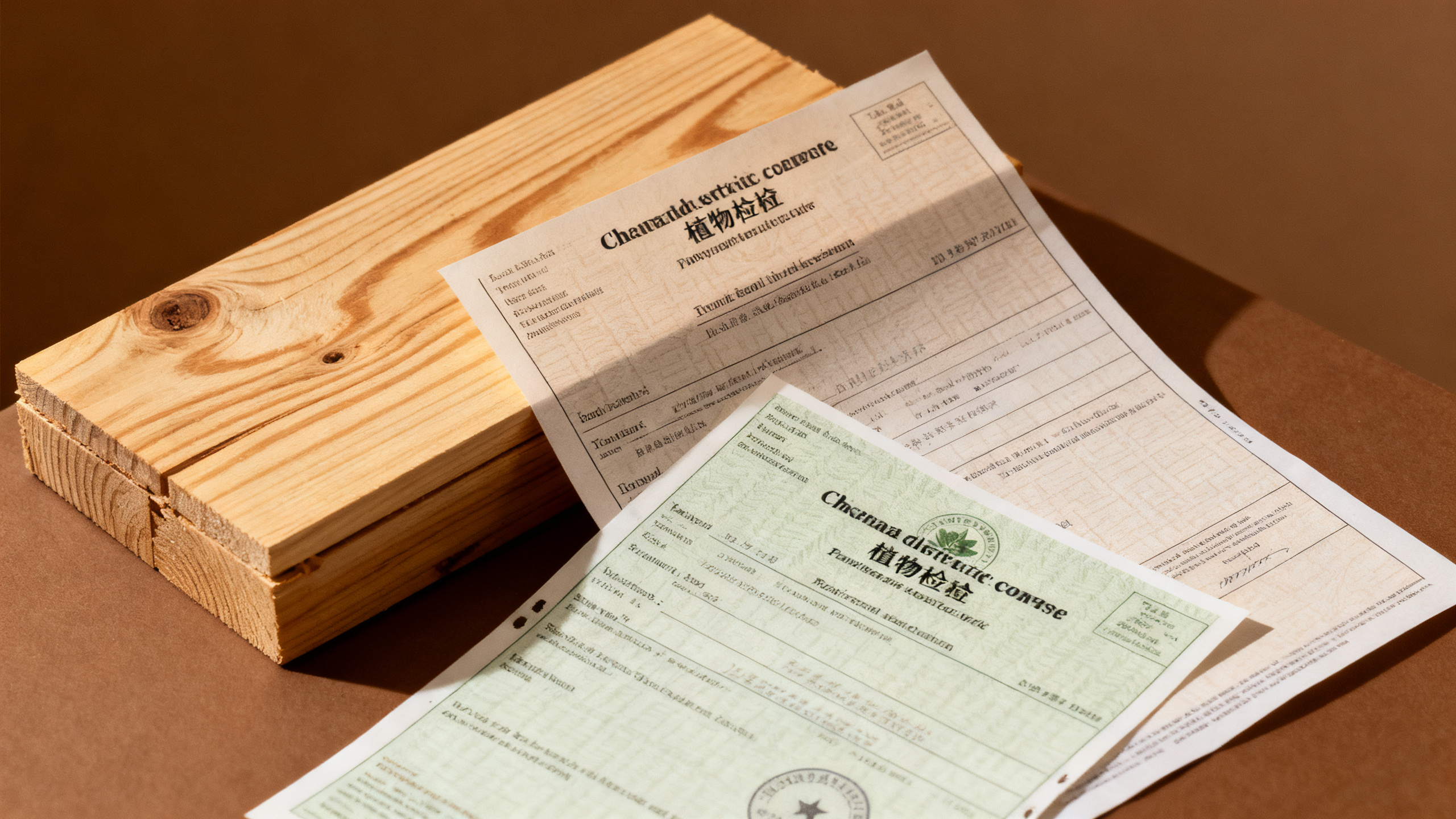
Importing wooden pet urns into the United States and Canada requires careful attention to phytosanitary regulations enforced by the USDA Animal and Plant Health Inspection Service (APHIS) and the Canadian Food Inspection Agency (CFIA). For wholesale buyers, understanding these requirements is not optional — non-compliance can result in shipment refusal, mandatory treatment fees, re-export costs, and even suspension of import privileges. This guide provides a comprehensive overview of the key certifications, documentation, and compliance steps every pet urn importer should know. At the core of wood import compliance is the phytosanitary certificate. Issued by the exporting country's national plant protection organization — in China, this is the General Administration of Customs of the People's Republic of China (GACC) — the phytosanitary certificate confirms that the wood products have been inspected and meet the importing country's plant health requirements. For wooden pet urns made from pine, oak, walnut, or bamboo, the certificate attests that the material is free from quarantinable pests and has undergone approved treatment. Heat treatment is the most widely accepted method for rendering wood safe for international trade. Under International Plant Protection Convention (IPPC) standards, wood packaging and solid wood products must be heated to a core temperature of at least 56 degrees Celsius for a minimum of 30 minutes. Products that meet this requirement bear the internationally recognized HT mark. Our Cao County factory operates its own kiln drying chamber, where every batch of pine is dried to 8%–12% moisture content while simultaneously meeting the heat treatment temperature threshold, allowing us to issue HT documentation with every export shipment. The IPPC mark, often referred to as the ISPM-15 mark, is a separate but related requirement that applies specifically to wood packaging materials such as pallets, crates, and dunnage. All wooden packaging used in international shipments must display the IPPC logo, the country code (CN for China), the producer's unique registration number, and the treatment code (HT for heat treatment or MB for methyl bromide fumigation). Non-compliant packaging is a leading cause of customs delays and rejection at U.S. and Canadian ports of entry. Our factory uses only IPPC-certified packaging for all export orders, and we provide the IPPC declaration as part of our standard documentation package. For U.S. imports, USDA APHIS requires that all regulated wood products be accompanied by a phytosanitary certificate issued in the country of origin. In addition, certain species may require additional permits or treatment declarations. Canada's CFIA has similar requirements, and Canadian importers should verify whether their products fall under the Wood Packaging Material program or the regulated plant product category. Working with a supplier that understands both U.S. and Canadian requirements is essential for avoiding clearance delays. One of the most common pitfalls for new importers is assuming that all Chinese manufacturers can provide valid phytosanitary certificates. In reality, only factories registered with the relevant Chinese authorities and operating under approved treatment protocols can issue these documents. Buyers should always request a sample phytosanitary certificate before placing a bulk order, and should verify that the certificate includes the correct product description, treatment method, and consignee information. A supplier that cannot or will not provide proper documentation is a red flag. Another frequent issue is packaging compliance. Even if the product itself is properly certified, non-compliant packaging can cause the entire shipment to be held at customs. Always confirm that your supplier uses IPPC-marked pallets and crates, and that the packaging declaration accurately reflects the treatment applied. For buyers who prefer to avoid wood packaging entirely, we offer corrugated cardboard and plastic pallet options that sidestep ISPM-15 requirements altogether. In summary, compliant wood import requires three pillars: valid phytosanitary certification for the product, HT or equivalent treatment documentation, and IPPC-marked packaging. By sourcing from a certified manufacturer like our Cao County workshop — which holds official export registration and provides complete documentation with every shipment — buyers can significantly reduce customs delays and rejection risks. We recommend that all new buyers review our documentation samples before placing their first order, and that they confirm with their customs broker that the paperwork meets the specific requirements of their port of entry.
Key Takeaways
- ✓Growing demand for eco-friendly and personalized pet memorial products in North America.
- ✓Full export compliance documentation is essential for smooth customs clearance.
- ✓Kiln-dried pine with 8-12% moisture ensures quality and reduces returns for Amazon sellers.
- ✓Partnering with a certified Cao County factory streamlines your supply chain and reduces risk.