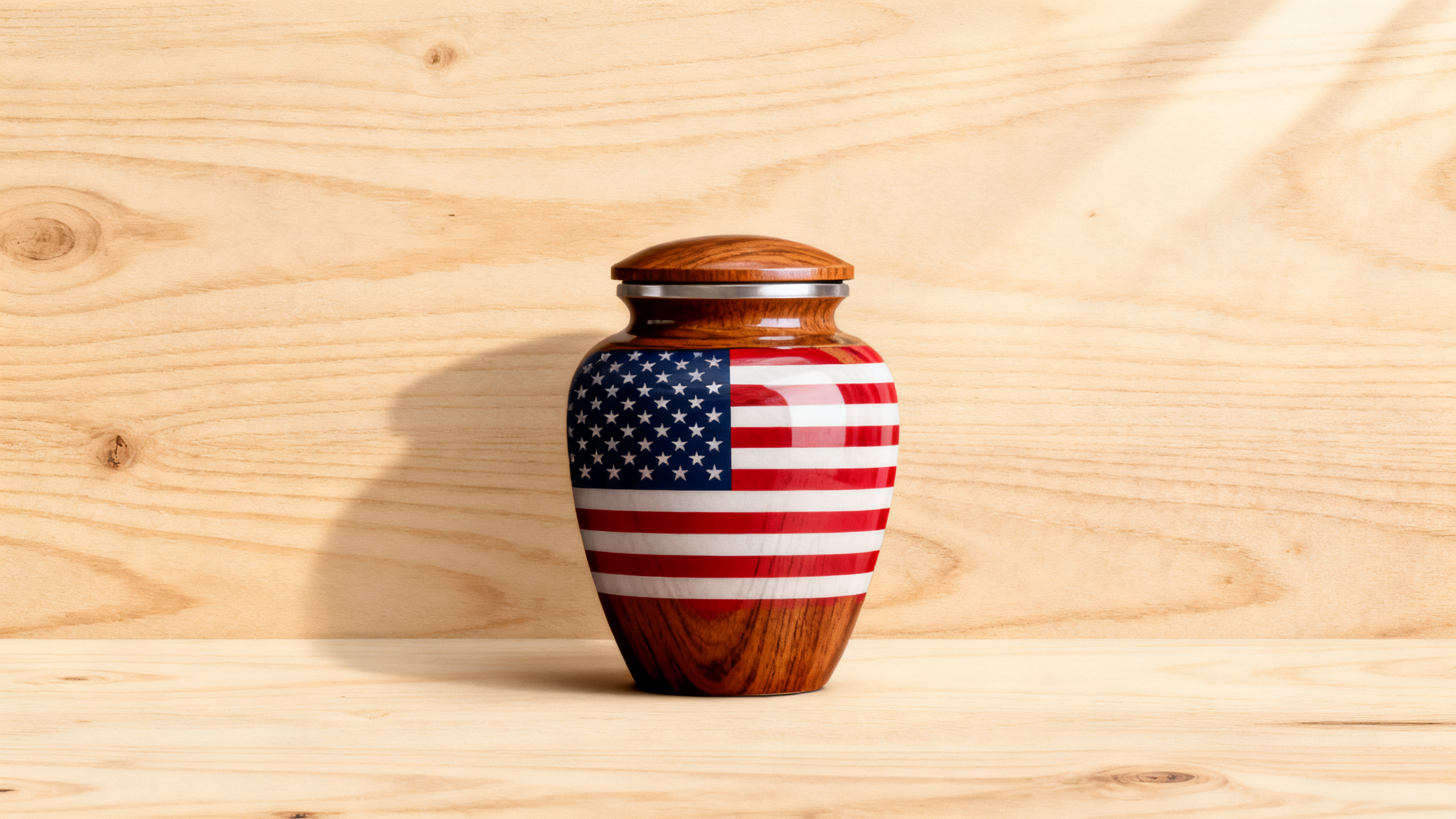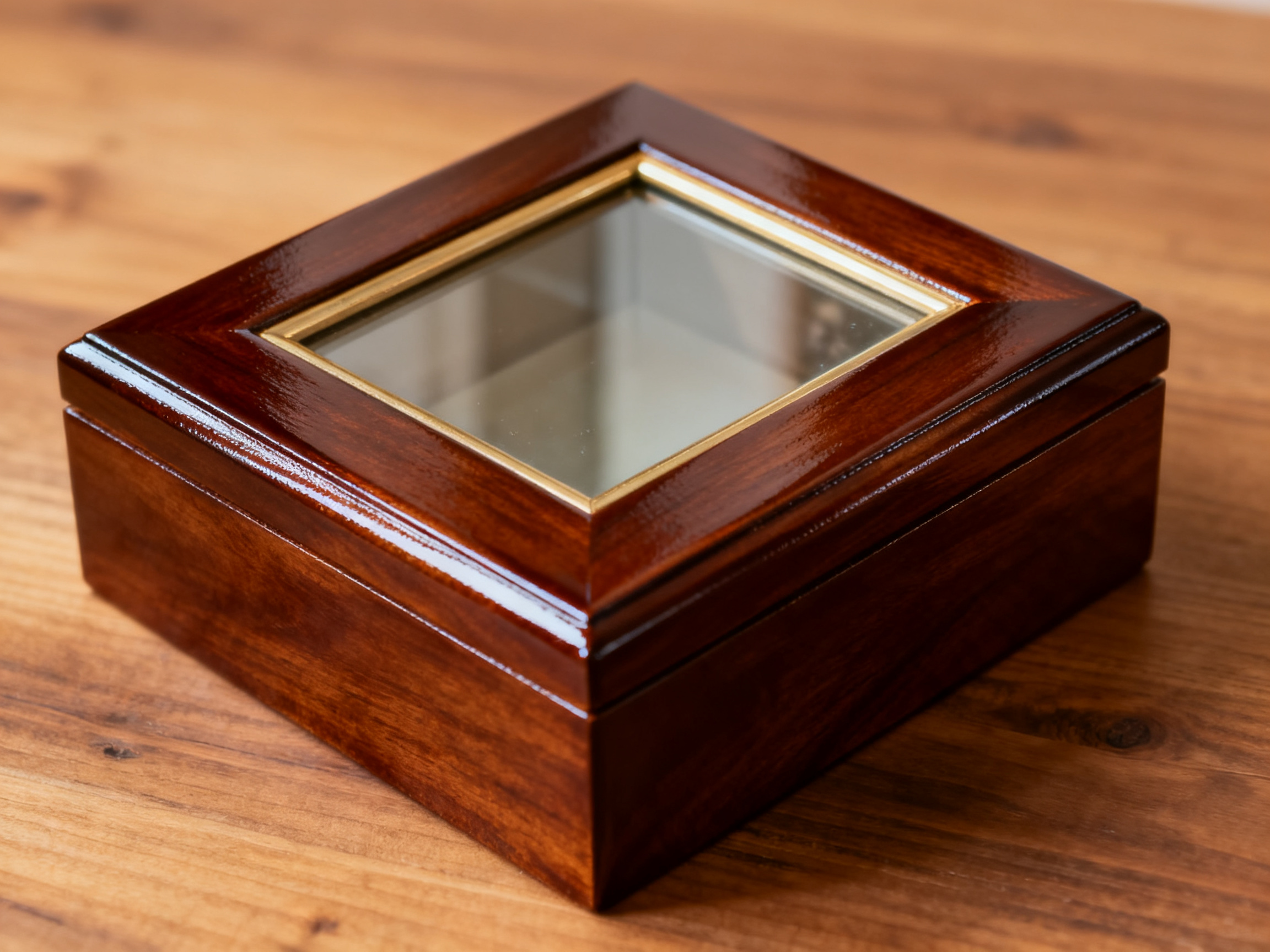
Crematoriums, funeral homes, vet clinics, e-commerce sellers and retailers buy the same product for very different reasons. A channel-by-channel view of what each one needs.
Pet cremation has become the default disposition method in much of North America, and the suppliers behind it are not one market. They are five, with different order sizes, different SKU depth, different payment behaviour and, most importantly, different definitions of a good urn. A factory that sells the same catalog to all five leaves money on the table in four of them.
Here is how the channels differ, and what each one actually buys.
Pet Crematoriums: The Volume Channel
Pet crematoriums are the volume channel. They handle the remains of pets collected from veterinary clinics, and they need urns the same way a bakery needs boxes: predictably, in bulk, in a small number of sizes, with no surprises. Their purchase pattern is a monthly or quarterly replenishment of three to five SKUs, and their tolerance for variation is low, because the urn is handed to a grieving family at the counter with no opportunity to explain a defect. What they value is consistent colour and dimension batch to batch, a lid that closes without a fight, and a price that lets them offer an urn at a modest upcharge rather than as a profit centre.
Funeral Homes: Lower Volume, Higher Price
Pet funeral homes and memorial services sit one step up in price and one step down in volume. They sell a choice, which means they need display variety: a light wood, a dark wood, a white painted option, a ceramic, and a keepsake. Their orders are smaller and more frequent, they care about how the piece photographs under shop lighting, and they are the channel most likely to order a matched set - an urn plus a frame with an ash compartment - because a set justifies a higher price than a single box.
Veterinary Clinics: The Growing Side Door
Veterinary clinics are an unusual channel and a growing one. A clinic does not want to be in the urn business, but it needs to hand the family something at the end of the appointment. What sells there is the low-cost keepsake: a paw print impression kit, a charm, a small photo frame with a compartment. Unit price is low, order size is modest, and the deciding factor is that the item requires no explanation and no storage space. This is the channel where a mixed pallet of four or five small items outperforms a deep pallet of one.
E-commerce: The Price-Uplift Channel
E-commerce sellers, including Amazon FBA sellers and independent Shopify stores, are the channel with the highest price sensitivity and the highest tolerance for cosmetic variation. They buy unfinished pine in depth because the blank can be personalised in-house, they buy mini keepsakes because those are cheap to ship and easy to bundle, and they buy flat-packed items wherever possible. Their real requirement is dimensional consistency and carton durability, because a listing lives or dies on review scores, and a warped lid produces a one-star review six weeks after the sale.
Retail: Smallest Volume, Highest Margin
Retail pet stores and memorial-gift retailers are the smallest channel by volume and the highest by margin. They buy a shallow assortment with strong packaging, they need barcodes and a pegboard or shelf-ready format, and they reorder slowly. For a factory, this channel is not worth tooling for below a few hundred units, but it is where a branded gift box and a printed card earn their cost.
The One Constant Across All Five
Across all five channels, one thing is consistent: the size decision is made by pet weight, and the buyer needs the interior dimensions in cubic inches stated plainly, not in a "small, medium, large" taxonomy that means something different at every supplier. That is the single most useful thing a supplier can put on a spec sheet, and it is also the reason our size guide is organised around pet weight rather than around our own size names.
The strategic implication for a factory-side seller is straightforward. Serve the crematorium channel with a deep, stable, cheap core. Serve the funeral home channel with a matched-set tier that carries a higher price. Serve the clinic channel with a mixed small-item pallet. Serve e-commerce with unfinished stock and durable cartons. Do those four things and the fifth - retail - becomes a matter of packaging rather than of product development.
Buyers, in turn, can use the same map to sanity-check a supplier. If a factory quotes you the same MOQ for a charm and for a hundred-pound urn, it is not thinking about channels. If it can tell you which of its SKUs move in a clinic versus a crematorium, it is.