How weight, breakage, documentation and shelf appeal differ across four materials — and which mix fits which sales channel.
A single-material catalog is easy to buy and hard to sell. Buyers who stock only unfinished pine end up competing on price with every other pine seller; buyers who stock only premium walnut end up with a slow-moving shelf. The catalogs that perform best across crematoriums, funeral homes and e-commerce sellers usually carry two or three materials, each doing a specific job.
This article compares the four materials we supply - kiln-dried wood, ceramic, brass, and moulded plant fiber - on the dimensions that actually affect a wholesale buyer: unit weight, breakage risk, documentation burden, engraving behaviour, and where each one earns its space.
Weight Is Freight
Start with weight, because weight is freight. A pine house-shape urn at 50 cubic inches weighs roughly 0.6 kilograms. A comparable glazed ceramic urn weighs about 1.9 kilograms, and a brass urn about 0.95 kilograms. On a per-unit basis that looks trivial; on a pallet it is not. A pallet of 240 ceramic urns is close to 460 kilograms before packaging, versus about 145 kilograms of pine. Air freight is charged on chargeable weight, so the same volume of ceramic costs several times more to fly than pine. Sea freight is charged on the greater of weight or measure, and ceramic sits close to the break-even point where weight rather than volume starts to drive the price.
Breakage Profiles Differ
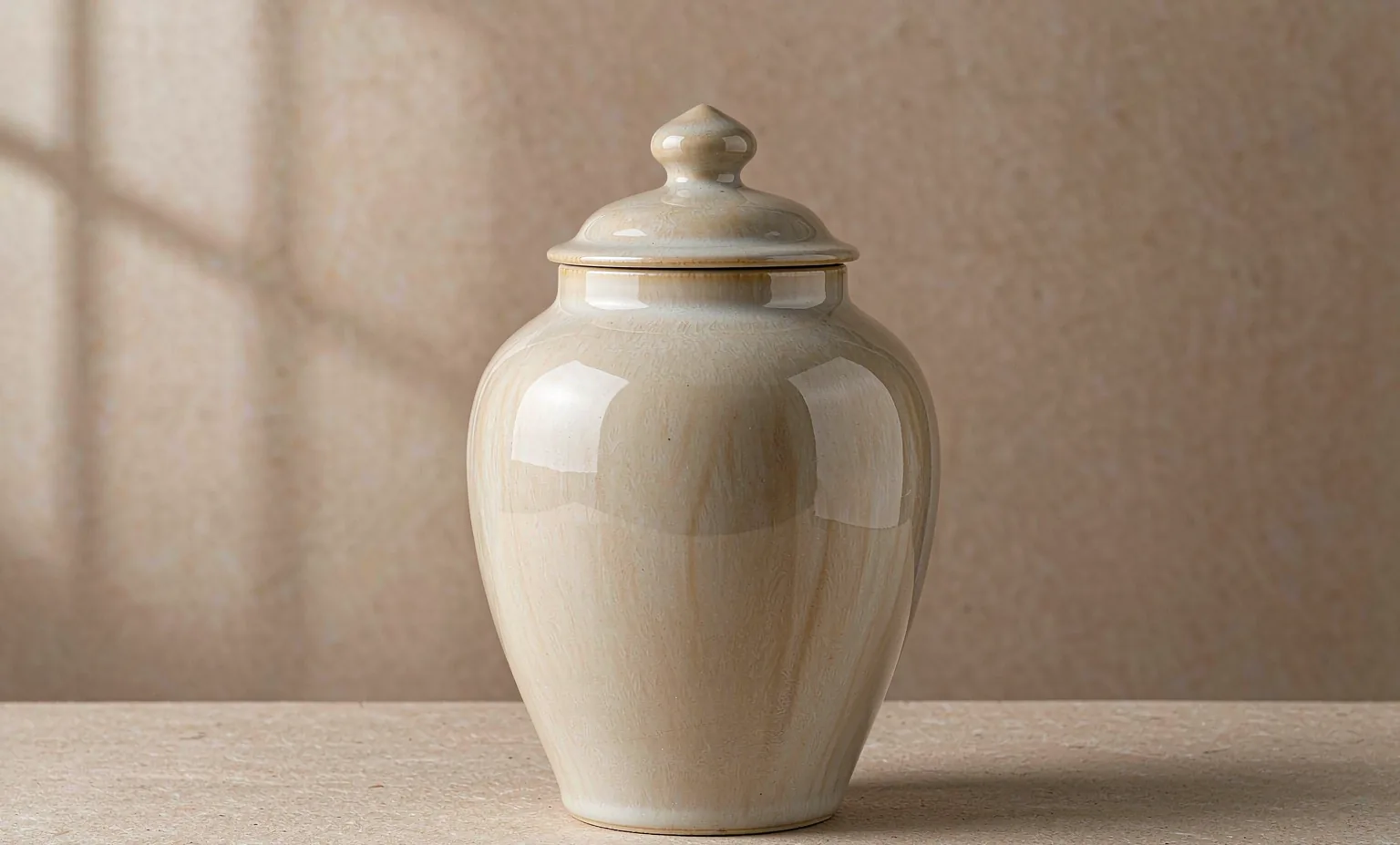
Breakage is the second differentiator. Wood deforms before it breaks: a dropped pine box dents, a dropped ceramic urn shatters. Our ceramic line ships in moulded foam cradles and we hold breakage under about 1.5 percent on container loads, but that number depends on the cradle, not on the material being forgiving. If your channel involves parcel carriers rather than palletised freight - an Amazon FBA seller, for instance - ceramic needs a retail carton plus a shipper carton, and the packaging cost per unit rises accordingly. Brass is intermediate: it dents rather than shatters, and a dented urn can sometimes be sold as a second, which ceramic cannot.
Documentation Is the Hidden Difference
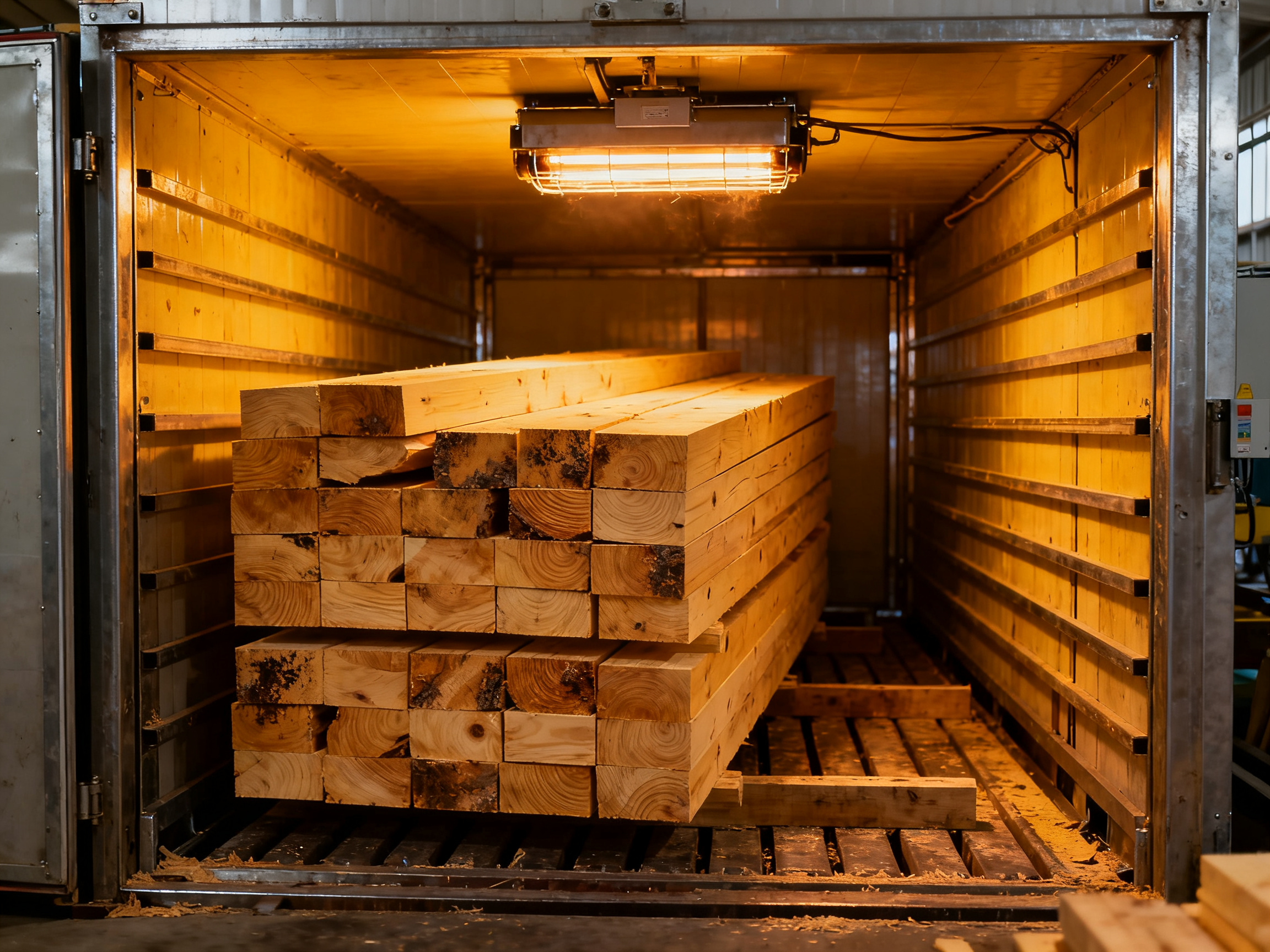
Documentation is the third difference and it is the one buyers underestimate. Wood and plant-fiber articles fall in the regulated category: they ship with a phytosanitary certificate from China Customs, a heat treatment report, and ISPM 15 marked pallets. Ceramic and metal do not require a phytosanitary certificate at all, because they are not plant articles; the only plant health item in the shipment is the pallet beneath the cartons. A mixed order therefore has one document set covering the wood and fiber items, and the ceramic and metal items simply ride along. That is administratively simpler than two separate orders, which is why we consolidate the whole shelf into one shipment.
Engraving Behaviour by Material
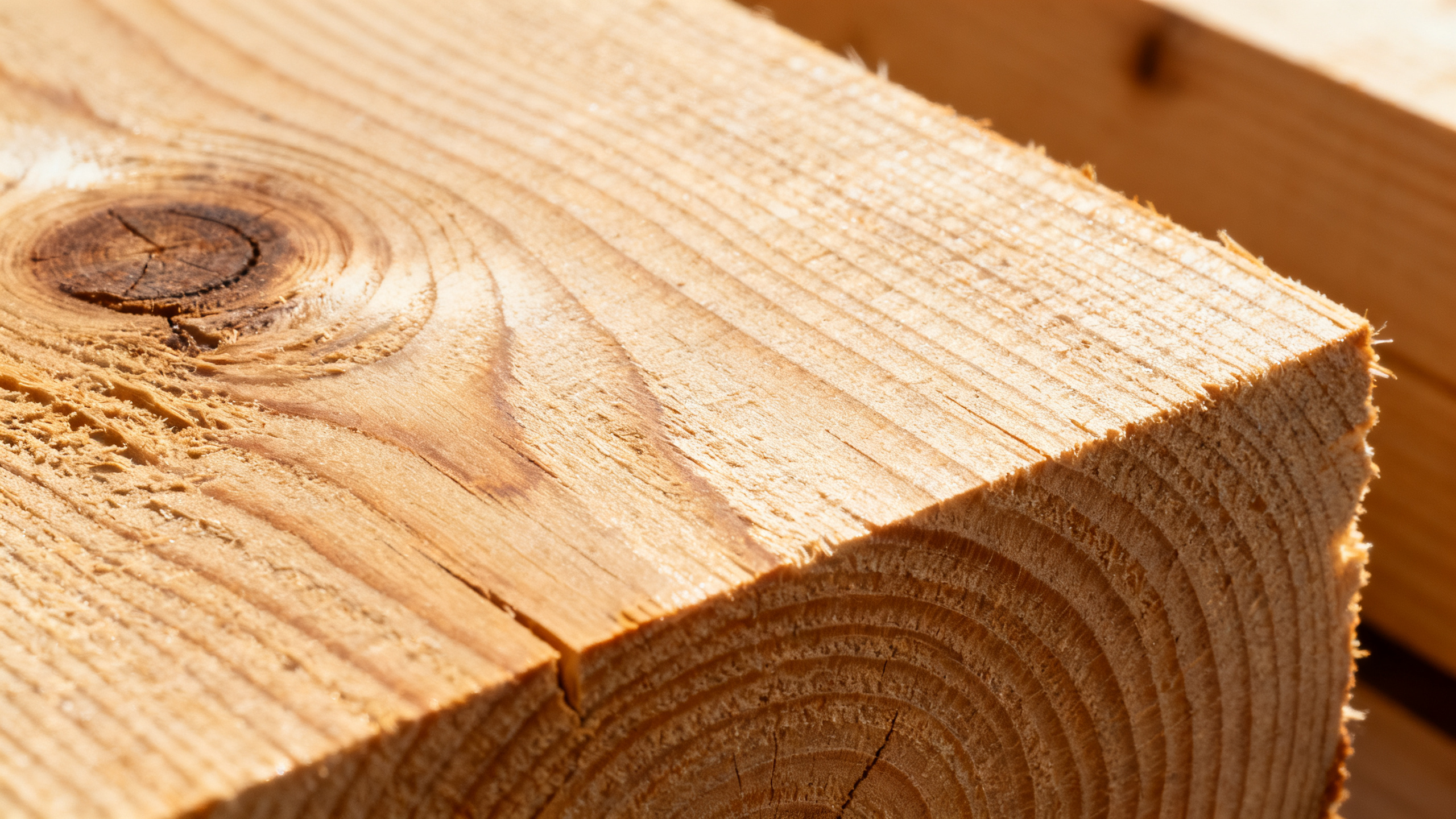
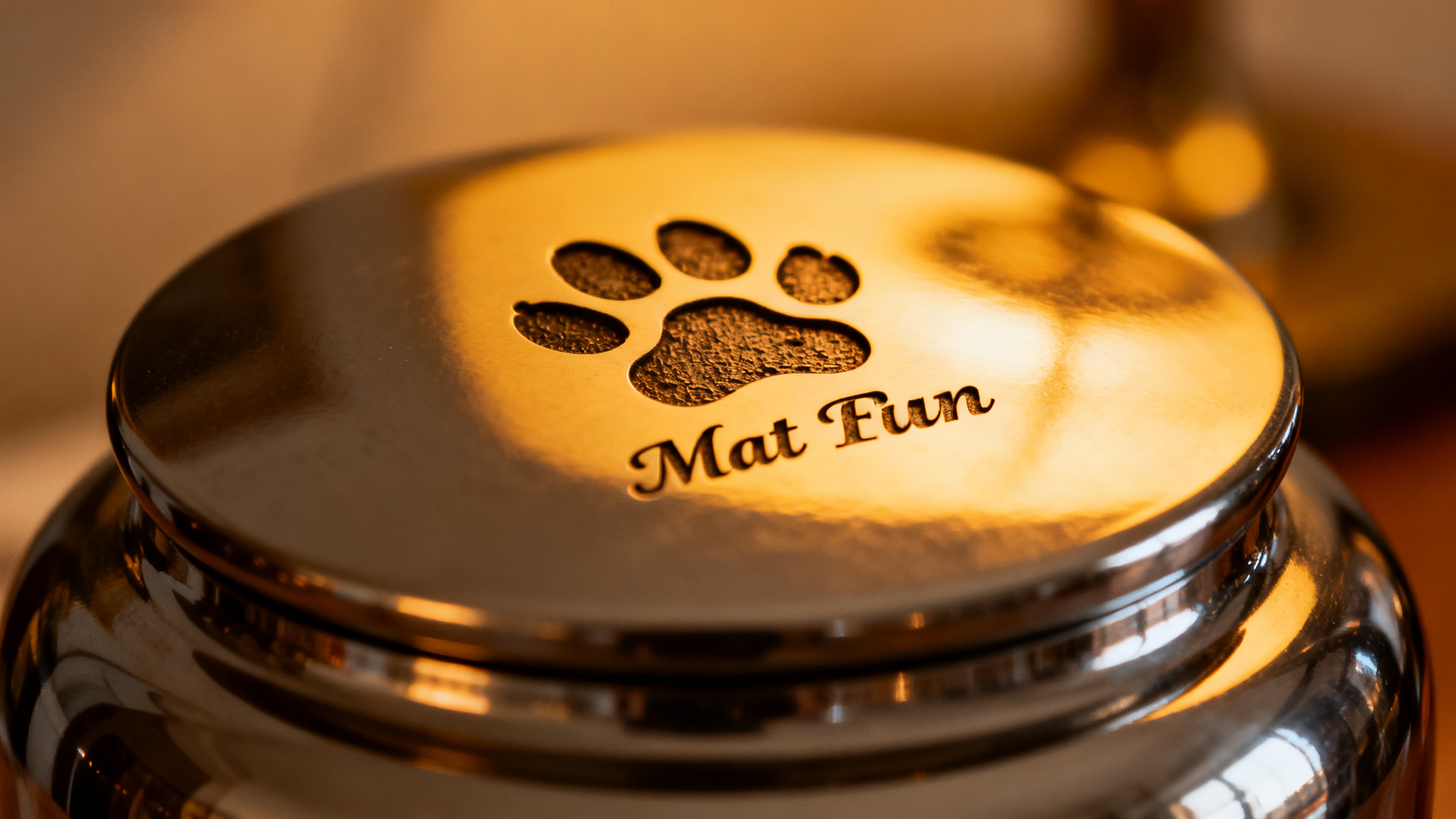
Engraving behaviour is the fourth. Unfinished pine takes a laser mark that reads dark and crisp at low power, which is why it is the default for personalised retail. Walnut engravings look richer because the surrounding grain is darker, so contrast is lower but the finish is more premium. Ceramic engraves to a pale, chalky line unless it is filled, and gold banding cannot be engraved through without breaking the band - so on ceramic we usually quote a printed decal or a base stamp instead. Brass engraves beautifully and is the one material where a blank plate for in-store engraving genuinely works, because the retailer can engrave the final name at the counter.
Shelf Appeal and Price Positioning
Shelf appeal and price positioning close the comparison. Unfinished pine reads as craft and value, which suits DIY retailers and Amazon sellers who personalise in-house. Glazed ceramic reads as gift and premium, which suits funeral home display cases where a family chooses in person. Brass reads as traditional and institutional, which suits crematoriums selling an alternative to bronze at a lower price point. Plant fiber reads as values-driven, which suits sellers whose customers ask about green burial and scattering.
The Mix Most Buyers Converge On
Put together, the mix that most of our multi-channel buyers converge on is this. A deep pine core - the unfinished line in four or five shapes plus the mini keepsakes - because it carries the volume and the margin. A narrow ceramic or brass tier of two or three SKUs at a higher price point, for buyers who need display variety. A single plant-fiber SKU pair, an urn and a scattering tube, for the eco-minded segment and for crematoriums that offer scattering services. That is roughly seventy percent of units in wood, thirty percent split across the other three, and it lets one purchase order cover a full shelf presentation.
The mistake to avoid is treating the non-wood lines as a like-for-like substitute for wood. They are not: they carry different weight, different breakage exposure, different engraving logic and, in two cases, no phytosanitary requirement. Buy them as a deliberate tier, price them against their own cost structure, and keep the wood core as the volume driver. That is how a material mix turns into a catalog rather than a pile of samples.