Moisture content, container humidity, grain direction and lid fit: the four causes behind most transit failures, and the spec clauses that prevent them.
A cracked lid or a lid that no longer sits flush is the most common complaint in wooden pet urn importing, and it almost never happens because the wood was bad. It happens because the wood was at the wrong moisture content when it was machined, and then travelled through an environment that pulled or pushed moisture out of it faster than the joint could tolerate.
Understanding the mechanism is worth the ten minutes, because it turns a vague quality complaint into a specification clause you can put in a purchase order.
Why Wood Moves: Hygroscopic Behaviour
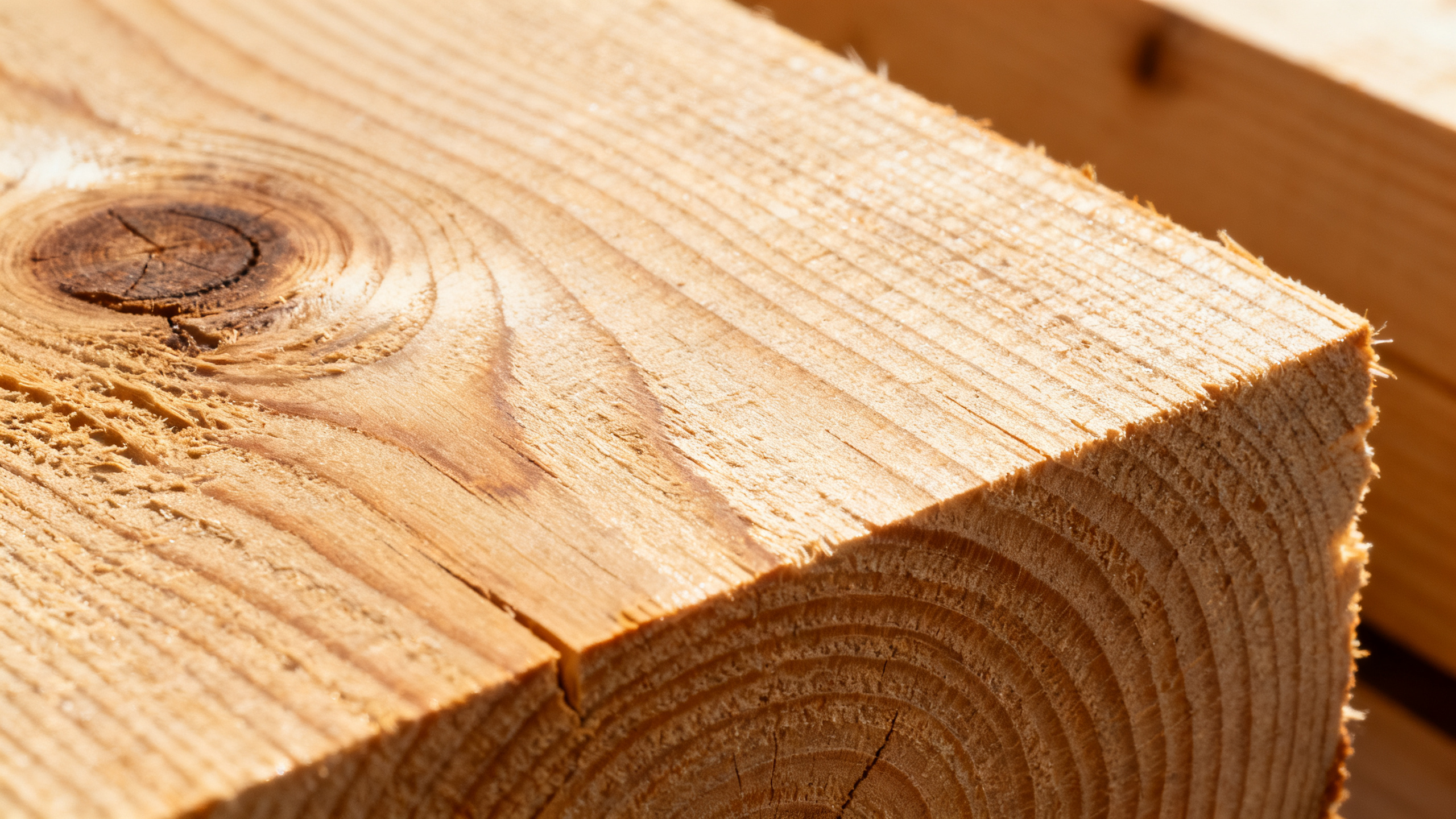
Wood is hygroscopic: it exchanges moisture with the air until it reaches equilibrium with the relative humidity around it. At 8 percent moisture content, pine is in equilibrium with roughly 35 to 40 percent relative humidity at room temperature. A container crossing the Pacific in winter can see interior humidity swing from 80 percent in the loading port to 30 percent in a heated warehouse in the American Midwest within six weeks. Each swing moves the wood, and the movement is not uniform: the tangential direction of a board moves roughly twice as much as the radial direction, which is why a flat-sawn lid wants to cup while a quarter-sawn one stays flat.
Fix 1: Dry to Target, Then Rest the Stock
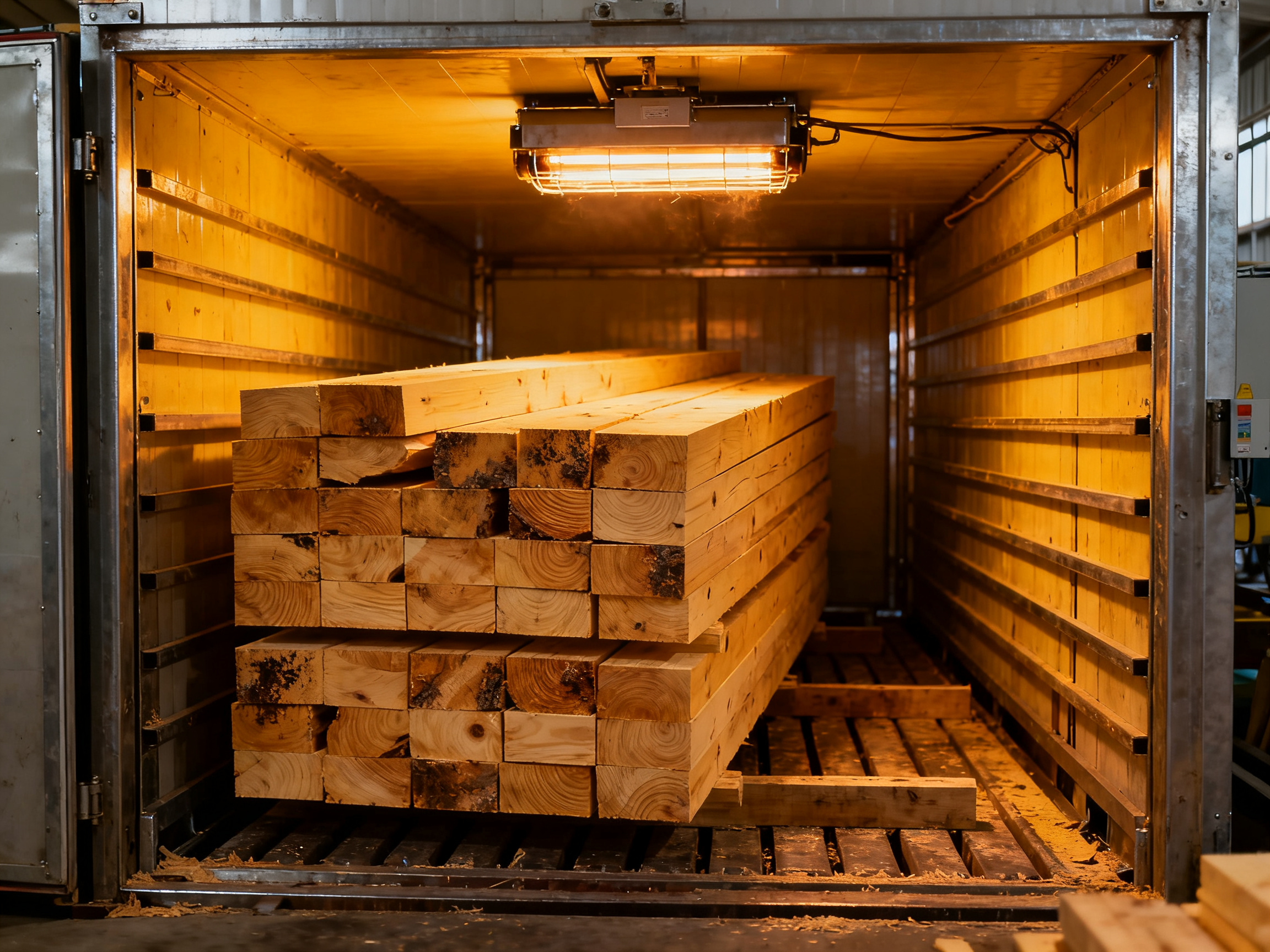
The first fix is drying to the right target and then letting the wood rest. Drying to 8 to 12 percent is the standard, but the second half of that sentence matters more: the board should be equalised at the target before machining, not machined and then dried. If you machine at 15 percent and dry afterwards, the mortise and tenon cut at 15 percent will be loose at 10 percent. We dry in our own chamber, rest the stock, then machine, then re-check with a pin meter before packing, and that sequence is what the moisture content report should describe.
Fix 2: Grain Direction
The second fix is grain direction. Two boards that cross each other at 90 degrees will move in perpendicular directions, and if they are glued or fastened rigidly the joint takes the stress. A lid panel set into a frame with a groove and room to move will survive a humidity swing; the same panel glued solid will split. Buyers can specify this: ask whether the lid panel is floating in a groove or glued, and whether the box sides are solid stock or a frame-and-panel construction. On a 50 dollar urn it rarely matters; on a container of 5,000 it decides the claim rate.
Fix 3: The Container Environment
The third fix is the container environment itself. Cartons absorb and release moisture, and a container loaded with green pallets and wet dunnage becomes a humid chamber. Two habits help: never load pallets that have been stored outdoors, and include a desiccant load in containers on long winter lanes. Container desiccant bags are cheap relative to a claim, and they flatten the humidity curve rather than eliminating it, which is what the wood actually needs.
Fix 4: Lid Fit Tolerance
The fourth fix is the lid fit tolerance. A lid that is machined to a zero-clearance fit in a humid workshop will bind in a dry warehouse and rattle in a humid one. A clearance of about 0.5 millimetres on the long dimension, with a slight chamfer on the leading edge, absorbs normal movement without looking loose. This is a drawing detail, and it is worth asking for the tolerance explicitly, because a supplier who cannot state a tolerance is working by eye.
Fix 5: Finish and Exposure
The fifth factor is the finish. An unfinished pine box is fully exposed to the ambient air and will move most; a sealed box moves more slowly because the coating reduces the rate of exchange, though it does not stop it. Water-based sealers are preferable to solvent-based on a memorial product for odour reasons, and they allow the wood to continue exchanging moisture slowly rather than trapping it. Lacquered interiors, which some buyers request, are the one finish that can cause trouble: they can trap moisture against the ash bag and produce a musty smell, so we recommend an unsealed or waxed interior instead.
The Clauses to Paste Into a PO
The practical specification that follows from all of this is short enough to paste into a purchase order. Kiln-dried to 8 to 12 percent moisture content, equalised before machining, moisture content verified per batch with meter readings supplied. Lid panel floating in a groove, not glued. Lid clearance 0.5 millimetres on the long dimension with a chamfered leading edge. Container desiccant on lanes over 25 days in winter. Stacking limit stated on the packing list, with the bottom layer of a three-high pallet stack checked for compression.
None of those clauses cost much. Together they are the difference between a claim rate in fractions of a percent and a claim rate that eats the margin on the whole container. When you compare two quotes for the same urn at different prices, ask both suppliers for the moisture content report and the lid tolerance. The cheaper quote is often the one that has neither.